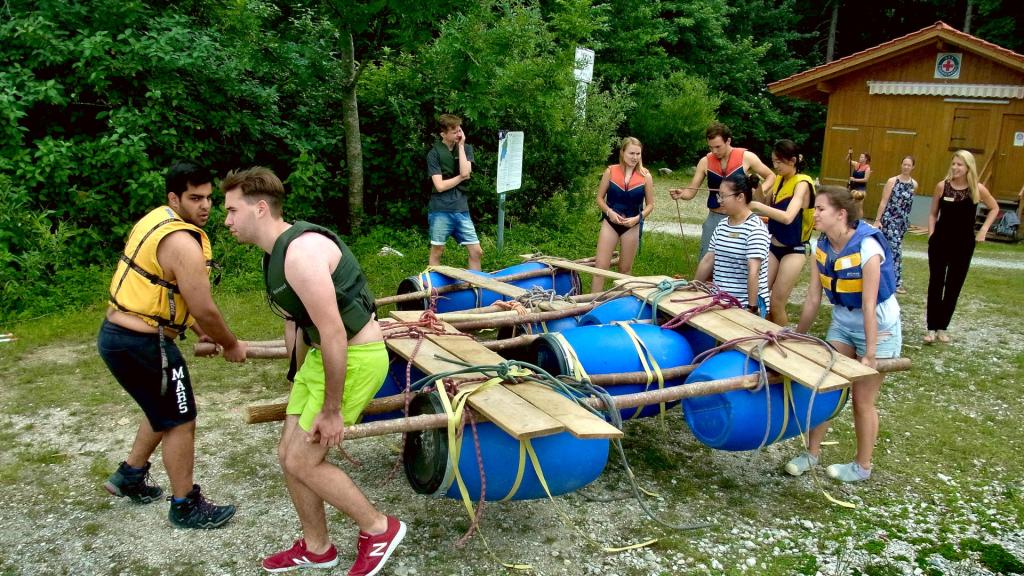
Outdoor education has been a significant part of alternative schooling and education for decades. It is an experiential learning approach that involves exploring the natural environment, engaging in physical activities, and developing essential life skills. The concept of outdoor education emerged during the 19th century when many educators realized that students could learn better by experiencing nature.
The main objective of outdoor education is to provide students with hands-on experiences outside the classroom setting. Outdoor educational programs incorporate various activities such as hiking, camping, rock climbing, canoeing, gardening, and wildlife observation. These activities allow students to learn about nature while also gaining valuable life skills such as leadership, teamwork, problem-solving and communication.
One of the benefits of outdoor education is its ability to promote physical fitness among students. Outdoor activities require physical exertion which helps to improve cardiovascular health and overall well-being. Furthermore, spending time outdoors exposes children to sunlight which stimulates vitamin D production in their bodies leading to stronger bones.
Another benefit of outdoor education is its positive effects on mental health. Research indicates that spending time in nature reduces stress levels among individuals leading to improved mood regulation and cognitive functioning. Students who participate in outdoor educational programs are more likely to develop resilience against stressful situations later in life.
Moreover, outdoor education enhances environmental awareness among learners by allowing them first-hand experience with various ecosystems and ecosystems dynamics. This knowledge encourages sustainable behaviors such as recycling waste products or reducing energy consumption thus sustaining earth’s ever-declining ecological balance.
Outdoor educational programs also help foster social connections between participants through shared experiences creating lifelong friendships bonds that support healthy interpersonal development into adulthood
In conclusion,outdoor education has proven itself over time as a robust tool for promoting holistic student development across academic socio-emotional and physiological domains.The lessons learned from participating can last a lifetime not only physically but emotionally,socially,and environmentally empowering young learners beyond traditional classrooms walls.The future looks bright for this form of alternative schooling,and we expect it will only grow in popularity as more people continue to realize its benefits.
 Alternative Amie
Leave a comment