Differentiated Instruction: A Pedagogical Approach to Meet Diverse Learners’ Needs
Education is not a one-size-fits-all approach. Every student has unique learning needs, interests, and abilities that must be taken into account when designing effective instruction. Differentiated instruction is a pedagogical approach that recognizes the diversity of learners and provides multiple pathways for students to acquire knowledge and skills.
In this post, we will explore what differentiated instruction is, why it matters, how it works in practice, and its benefits for both teachers and students.
What Is Differentiated Instruction?
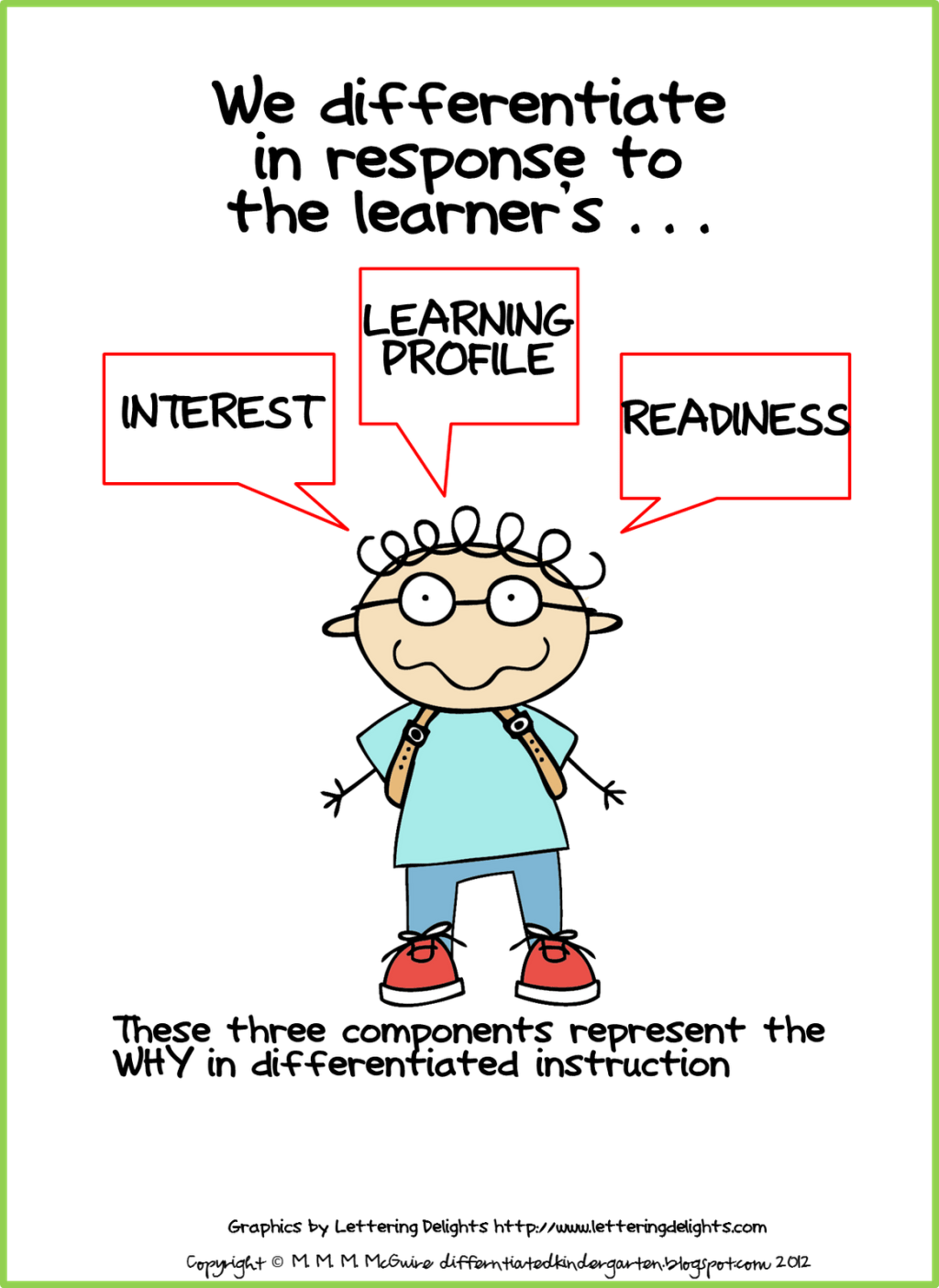
Differentiated instruction is an instructional strategy that seeks to address the diverse learning needs of students by providing different ways of learning content, processing information, constructing meaning, demonstrating understanding, and engaging with learning tasks. It aims to create a classroom environment where every student feels valued, challenged, supported, and successful.
The concept of differentiated instruction was first introduced by Carol Ann Tomlinson in her book “The Differentiated Classroom: Responding to the Needs of All Learners.” According to Tomlinson (2017), differentiated instruction involves three key elements:
1. Content: Teachers provide multiple options for content delivery based on students’ readiness levels or interests.
2. Process: Teachers offer various activities or approaches for making sense of the content based on students’ learning styles or preferences.
3. Product: Teachers allow different ways for students to demonstrate their understanding or apply what they have learned based on their strengths or talents.
Why Does Differentiation Matter?
There are several reasons why differentiation matters in education:
1. Equity: Students have different backgrounds, experiences, cultures, languages that impact their access to education opportunities. By using differentiation strategies in teaching practices helps ensure equity by meeting each student’s individual needs.
2. Engagement: When teachers use differentiation strategies throughout lessons/sessions/study materials/activities/etc., they can make learning more engaging because learners feel seen heard understood and valued. Students are more likely to be motivated, enthusiastic, and invested in their learning when they feel that it is relevant, meaningful, and challenging.
3. Achievement: Research has shown that differentiated instruction can improve student achievement by providing learners with the support they need to succeed academically. When students have access to learning materials/activities/lessons etc., tailored to their individual needs or preferences, they are more likely to experience success.
How Does Differentiated Instruction Work?
Differentiated instruction requires careful planning, flexible grouping, ongoing assessment/observation of student performance skills and abilities as well as creativity on the part of educators. Here are some key strategies for implementing differentiation in practice:
1. Pre-Assessment: Before beginning a unit or lesson plan, teachers should assess each student’s prior knowledge and skills level regarding the topic or subject matter being taught.
2. Flexible Grouping: Teachers must create groups based on students’ readiness levels or interests rather than depending on traditional grade- or age-based grouping methods.
3. Multiple Learning Options: Differentiation involves multiple ways of accessing content (e.g., video/audio/text), activities (e.g., hands-on/experiential/problem-based/critical thinking), feedback structures (e.g., self-assessment/shared grading/conferring), etc.
4. Ongoing Assessment/Observation: Teachers must continuously monitor student progress through observation-performance assessments as well as formative evaluations so that they can adjust their teaching strategies accordingly
Benefits of Differentiated Instruction
There are several benefits associated with using differentiated instruction in classrooms:
1. Personalized Learning Experience: By tailoring lessons based on students’ individual needs/preferences/abilities/etc., teachers can create a personalized learning experience that is engaging/relevant/challenging for each learner.
2. Increased Motivation & Engagement: When learners feel seen heard understood and appreciated through customized instructional approaches such as DI; this helps increase motivation engagement which leads to better retention of knowledge.
3. Improved Learning Outcomes: Research has shown that differentiated instruction can improve student achievement by providing learners with the support they need to succeed academically which leads to better academic performance.
4. Enhanced Classroom Culture: Differentiated instruction promotes a positive classroom culture where each learner feels valued, respected, and supported in their learning journey.
Conclusion
Differentiated instruction is an essential pedagogical approach for meeting the diverse needs of students in today’s classrooms. By providing multiple ways of accessing content, processing information, constructing meaning, demonstrating understanding and engaging with learning tasks; teachers can create a personalized learning experience that is motivating, relevant and challenging for every student. The benefits associated with using this approach include improved achievement outcomes as well as increased motivation & engagement from learners which leads to better retention of knowledge over time.
 Alternative Amie
Leave a comment