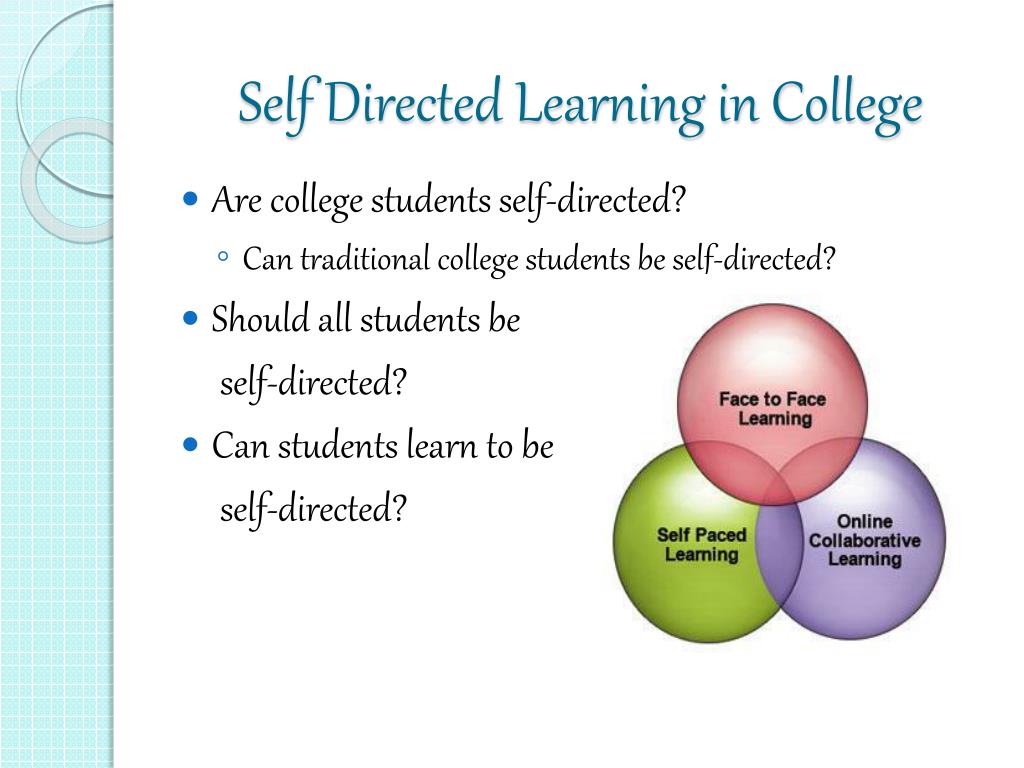
Self-Directed Learning: A Pathway to Alternative Education
As the world becomes increasingly fast-paced and technology-driven, the traditional education system may no longer be enough to prepare students for an unpredictable future. Self-directed learning has emerged as a viable alternative that enables learners to take control of their own learning process.
What is Self-Directed Learning?
Self-directed learning is an approach to education in which learners take responsibility for their own progress and development. It involves setting personal learning goals, identifying resources, and evaluating one’s own progress. Learners are encouraged to pursue their interests and passions while acquiring essential skills such as critical thinking, problem-solving, communication, and collaboration.
Unlike traditional classroom-based instruction where teachers dictate what students should learn and how they should learn it, self-directed learners have the freedom to choose what they want to study based on their individual needs and interests.
Why Choose Self-Directed Learning?
There are several reasons why self-directed learning can be beneficial for students of all ages:
1. It fosters lifelong learning: In a rapidly changing world where new technologies emerge every day, the ability to adapt and learn continuously is crucial. By becoming self-directed learners early on in life, students develop a habit of seeking knowledge throughout their lives.
2. It promotes creativity: By allowing students to explore topics that interest them personally rather than being confined by rigid curricula or standards set by others; self-directed learning empowers them with creative decision-making abilities.
3. It enhances motivation: Students who are able to direct their own studies often become more motivated since they feel empowered about taking control of their education journey.
4. It encourages independence: Through self-directed learning experiences, children can learn how best they work independently without any external force imposed on them constantly.
How Does Self-Directed Learning Work?
The process of self-directed learning typically starts with setting clear goals that align with one’s interests or career aspirations. These goals must be specific, measurable, achievable, relevant and time-bound (SMART). One can then identify resources such as books, online materials or mentors who will provide support throughout the learning process. At this point, it is essential to create a plan that outlines how to achieve these goals and what steps are necessary.
Assessment of one’s progress is an integral part of self-directed learning. Students must continuously review their work and evaluate if they are meeting the set objectives. Self-evaluation encourages learners to take note of their strengths while identifying areas that need improvement.
The Role of Parents and Teachers in Self-Directed Learning
While self-directed learning may seem like an individualistic approach to education, parents and teachers play a critical role in facilitating this process. They must provide guidance on goal setting, resource identification as well as helping students remain accountable for their own progress.
Teachers should also be available to offer support when needed by providing feedback on student’s work or connecting them with experts in a particular field. In addition to academic skills development, teachers can help build soft skills such as communication and collaboration through group projects.
Even though self-directed learning gives students more control over their education journey than traditional classroom-based instruction does; parents still have an important role in ensuring that children balance their studies with other daily activities such as exercise or socialization with friends.
Conclusion
Self-directed learning offers alternative schooling opportunities for anyone seeking knowledge outside the traditional classroom environment. It empowers learners with the ability to explore topics that interest them personally while developing essential skills required for success in life beyond school walls.
Self-directed learners take responsibility for achieving their goals by creating plans outlining how they intend to accomplish each objective. Alongside resources such as books or online materials selected by students themselves; mentors can offer guidance towards achieving educational excellence through personalized coaching sessions tailored specifically according to individual needs so everyone has access regardless of where they live!
So if you’re looking for an alternative way of educating yourself or your child, self-directed learning might be the perfect solution for you.
 Alternative Amie
Leave a comment