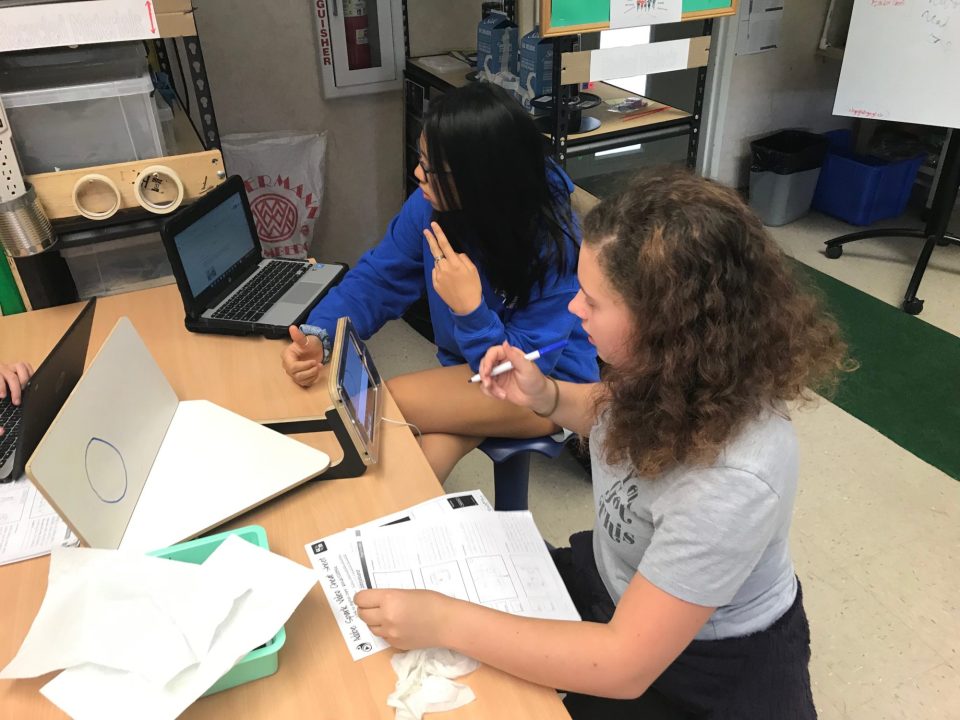
Maker education is a growing movement that emphasizes learning through hands-on creation, problem-solving, and collaboration. It encourages students to explore their creativity and develop skills in science, technology, engineering, art, and math (STEAM) fields. Maker education has gained popularity due to its ability to engage students of all ages and backgrounds.
One important aspect of maker education is upcycling or repurposing materials into new creations. This approach teaches students about sustainability by emphasizing the value of reusing existing materials rather than consuming new resources. Inclusive maker education for students with disabilities is another crucial area of focus in this field. By designing projects that are accessible to all learners regardless of ability level, educators can ensure that everyone has access to the benefits of maker education.
Early childhood learners can also benefit from maker education as it helps them develop fine motor skills, creativity and critical thinking abilities at an early age. Coding is another component that can be incorporated into maker projects which deepens student’s understanding on programming languages such as Python etc.
Sustainability and environmentalism are themes that makers can incorporate into their project ideas too; whether it’s building composting bins or creating solar-powered devices for reducing carbon footprint in our environment.
Entrepreneurship skills have become increasingly relevant in today’s workforce hence incorporating entrepreneurship skills in maker projects will provide learners with essential skillsets needed for future business endeavors.
Art integration within makerspace projects allows for creative expression while connecting subjects like science or math with art concepts like color theory or composition techniques. Using these interdisciplinary approaches help reinforce knowledge learnt across different spheres thus making learning more holistic
Social justice issues can also be addressed through maker activities by providing opportunities for marginalized communities to have a voice through their unique creations.
It is important to note that failure plays a significant role within the realm of making because it encourages taking risks without fear of negative consequences; celebrating multiple attempts until success is achieved ultimately builds resilience among learners.
Design thinking is a process that encourages ideation, prototyping, and testing of ideas in the iterative process of creating. Integrating design thinking into maker projects provides learners with a framework for creativity while also enabling them to think through different solutions when confronted with problems.
Rural communities can greatly benefit from maker education by providing access to resources such as 3D printers or other advanced technologies which may not be readily available within their communities.
Virtual reality and augmented reality can provide students with immersive experiences that reinforce learning objectives; making it easy for students to understand complex concepts like anatomy, geography etc.
Reflection and documentation are key components of maker education as they enable learners to review their progress over time while providing an opportunity for self-reflection on areas requiring improvement
Maker education for adult learners affords opportunities for skills development or career changes. Mindfulness practices can also support adults in reducing stress levels while promoting mental wellbeing during the learning process.
Open source hardware and software allow educators to share knowledge and make resources more accessible across various settings. Culturally responsive pedagogy ensures that makerspace projects incorporate diverse perspectives thus creating inclusive environments where everyone feels welcome regardless of background or culture.
Language learners can benefit from maker activities as it offers opportunities for hands-on practice using new vocabulary words related to STEM fields whilst incorporating aspects of cultural diversity too.
Using robotics in makerspace projects helps develop advanced coding skills whilst promoting critical thinking and problem-solving abilities among learners
Community partnerships play significant roles in supporting makerspaces especially within low-income schools or neighborhoods; community members actively provide access to resources necessary for project implementation hence ensuring maximum impact achieved through collaboration efforts
Making things out of recycled materials serves as a form of activism because it promotes sustainability awareness. It enables individuals to take ownership over environmental issues by finding ways they could contribute towards sustainable living habits that reduce carbon footprints thereby preserving our planet’s natural resources overtime.
Lastly, Maker Education plays a role in promoting mental health awareness through fostering creative expression and social connections which can alleviate stress levels, reduce anxiety, and boost mood. It also provides opportunities for learners to explore different coping mechanisms that could be beneficial in their daily lives.
In conclusion, maker education has the potential to transform traditional learning methods by providing immersive experiences that foster creativity, critical thinking, and problem-solving skills across diverse spheres of knowledge.
 Alternative Amie
Leave a comment