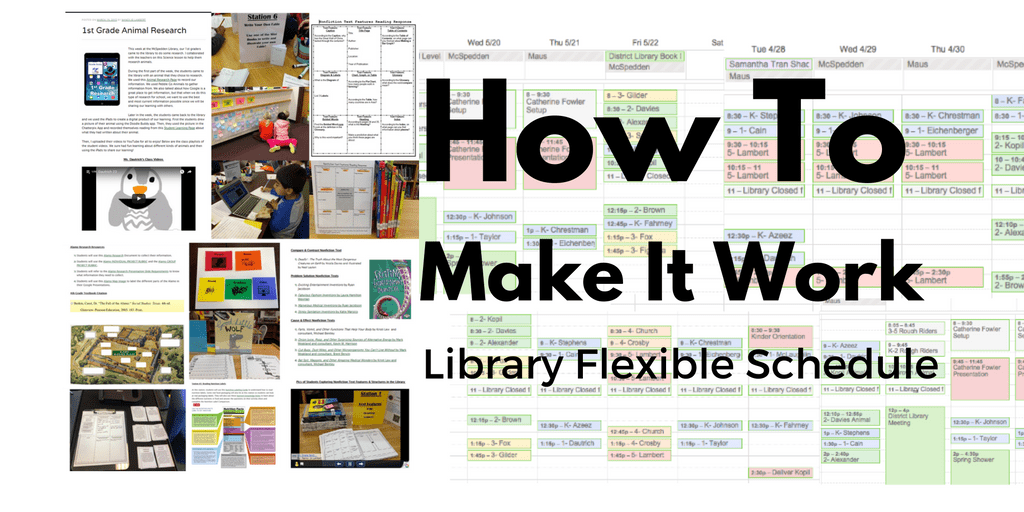
Flexible Scheduling: A Key Component of Alternative Education
Alternative schooling and education have become increasingly popular over the years, with more parents and students seeking alternatives to traditional schools. One key aspect that sets alternative education apart is flexible scheduling. This allows for a customized learning experience that meets the needs of each student.
Traditional schools often operate on a fixed schedule, with classes starting at a set time and ending at a specific time. This can be challenging for students who struggle with early mornings or those who prefer to learn later in the day. Flexible scheduling solves this problem by allowing students to set their own pace and choose when they want to attend class.
One example of flexible scheduling is self-paced learning, where students work through course materials independently and at their own speed. This allows them to take as much or as little time as needed to fully grasp concepts before moving on to the next one. Students can also choose when they want to study, which can be particularly beneficial for those who have other commitments outside of school.
Another form of flexible scheduling is blended learning, which combines online coursework with face-to-face instruction. In this model, students can complete some parts of their coursework online while still attending physical classes at certain times during the week. Blended learning offers more flexibility than traditional classroom-based instruction since it enables learners to access course materials from anywhere and anytime.
Flexible scheduling also enables experiential learning opportunities such as internships, apprenticeships, or job shadowing programs that provide hands-on training in real-world settings. These opportunities are especially valuable because they give learners practical skills that cannot be learned within the confines of a classroom setting alone.
Moreover, flexible schedules are especially important for children with unique needs such as those who may not thrive under strict schedules due to disabilities like ADHD or Autism Spectrum Disorder (ASD) amongst others; these types of individuals require flexibility in order not only succeed but excel academically without feeling pressured by rigid schedules.
In summary, flexible scheduling is a crucial component of alternative education that allows for individualized and customized learning experiences. By allowing students to set their own pace and choose when they want to learn, it provides greater flexibility than traditional classroom-based instruction. Additionally, it offers valuable experiential learning opportunities outside of the classroom setting. Given these benefits, flexible scheduling should be considered as an essential element in any alternative education program designed to meet the unique needs of today’s learners.
 Alternative Amie
Leave a comment