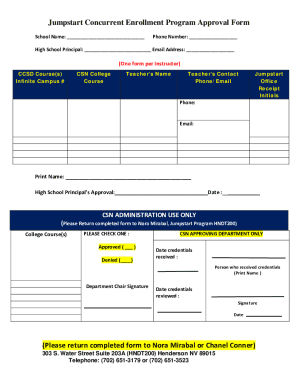
With the cost of higher education on the rise, many students are seeking alternative pathways to achieving their academic and career goals. One popular option is concurrent enrollment programs, which allow high school students to earn college credits while still in high school.
Concurrent enrollment programs are partnerships between high schools and colleges that provide eligible students with the opportunity to take college-level courses for credit. These courses can be taken online or on-campus at the college, or they can be offered at the high school by qualified instructors.
One of the main benefits of concurrent enrollment programs is that they save students time and money. By earning college credits while still in high school, students can potentially graduate from college early or reduce their overall tuition costs by completing some coursework before enrolling as a full-time student.
Another advantage of concurrent enrollment programs is that they provide students with a taste of what college-level coursework will be like. This experience helps prepare them for the rigors of higher education while also giving them an opportunity to explore potential majors and areas of interest.
Concurrent enrollment programs are also beneficial for colleges because they help increase access to higher education for underserved populations. Students who may not have considered attending college due to financial barriers or other obstacles now have a pathway to earn college credits and potentially pursue a degree.
In addition, concurrent enrollment programs often offer opportunities for collaboration between high schools and colleges. This collaboration can lead to improved curriculum alignment, faculty development opportunities, and greater understanding between educators at both levels.
To participate in a concurrent enrollment program, students typically need to meet certain eligibility requirements such as minimum GPA requirements or test scores. They may also need permission from their parents/guardians and high school counselors.
It’s important for students interested in concurrent enrollment programs to carefully research each program’s requirements before applying. They should also consider how participating in these types of programs might impact their schedule during their senior year of high school and beyond.
While there are many benefits to concurrent enrollment programs, there are also some potential drawbacks. For example, students who take on too many college-level courses while still in high school may become overwhelmed and struggle academically. Additionally, some colleges may not accept all credits earned through these types of programs.
Another concern is that concurrent enrollment programs may create inequities between students at different schools or districts. Students attending schools with limited resources or less access to these types of programs may miss out on the benefits offered by concurrent enrollment programs.
Despite these challenges, concurrent enrollment programs remain a popular and effective way for students to earn college credits while still in high school. With careful planning and consideration, participating in one of these programs can be an excellent way for motivated students to get a head start on their college education.
 Alternative Amie
Leave a comment