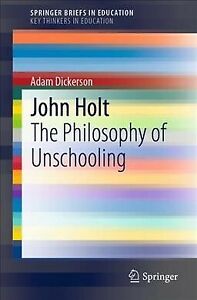
Unschooling: A Different Approach to Education
Education is an essential part of life, and in today’s world, it plays a crucial role in shaping the future of individuals as well as society. However, traditional education systems have been criticized for their rigidity and lack of flexibility in catering to individual learning styles.
Unschooling offers a different approach to education that focuses on self-directed learning rather than traditional classroom-based instruction. In this post, we will explore what unschooling is, its history, principles, benefits and limitations.
What is Unschooling?
Unschooling is an educational philosophy that emphasizes self-directed learning over structured curriculum or formal schooling. The term “unschooling” was first coined by John Holt, an American educator who believed that children are natural learners and should be given the freedom to pursue their interests.
In unschooling, children learn from everyday experiences such as playing games, reading books or exploring nature. There are no set schedules or curricula to follow; instead, parents act as facilitators who provide resources and support when needed.
Principles of Unschooling
The core principle of unschooling is trust in a child’s innate ability to learn. Unschoolers believe that children are naturally curious and motivated learners who will seek out knowledge if given the chance.
Another principle of unschooling is respect for individual preferences and interests. Children are encouraged to pursue their passions without judgment or pressure from adults. This helps them develop a sense of autonomy and ownership over their own learning journey.
Benefits of Unschooling
One significant benefit of unschooling is that it allows children to learn at their own pace. Since there are no set timelines or expectations for what they should know at any given age level, they can take as much time as they need to master a concept before moving on.
Unschoolers also tend to be more engaged learners since they have control over what they are learning and how. They can choose topics that interest them, which makes learning more enjoyable and meaningful.
Moreover, unschooling fosters creativity and critical thinking skills since children are allowed to explore their interests in-depth rather than being limited by a prescribed curriculum.
Unschooling also promotes healthy social-emotional development as it allows children to interact with people of all ages in real-life situations. They learn important life skills such as communication, negotiation, and conflict resolution through everyday interactions with family members, peers, and the community.
Limitations of Unschooling
One limitation of unschooling is that it may not be suitable for all families or children. Some parents may not have the time or resources to facilitate their child’s education independently. Moreover, some children may thrive better in a structured environment with clear expectations and guidelines.
Additionally, unschooling requires a high level of trust between parents and children. Parents must trust that their child will take responsibility for their own learning journey while providing guidance when necessary.
Another challenge of unschooling is that it may not be recognized or accepted by mainstream educational institutions or employers. This could limit opportunities for higher education or employment prospects later in life.
History of Unschooling
The roots of unschooling can be traced back to John Holt’s work as an educator in the 1960s. He believed that traditional schooling was stifling students’ natural curiosity and love for learning by imposing strict rules and regulations on what they should learn at specific age levels.
Holt challenged this model by advocating for more flexible approaches to education where students had control over what they were learning based on their interests.
Since then, many educators have followed his lead, including Ivan Illich who wrote “Deschooling Society” (1971) – an influential book advocating for alternative forms of education beyond traditional schooling models.
Conclusion
Unschooling offers a unique approach to education that prioritizes individualized learning and self-directed exploration. It allows children to learn at their own pace, pursue their interests, and develop critical thinking skills outside of formal classroom settings.
However, unschooling may not be suitable for all families or children, and it requires a high level of trust between parents and children. Despite these challenges, unschooling has gained popularity in recent years as an alternative approach to education that could potentially revolutionize the traditional schooling system.
 Alternative Amie
Leave a comment