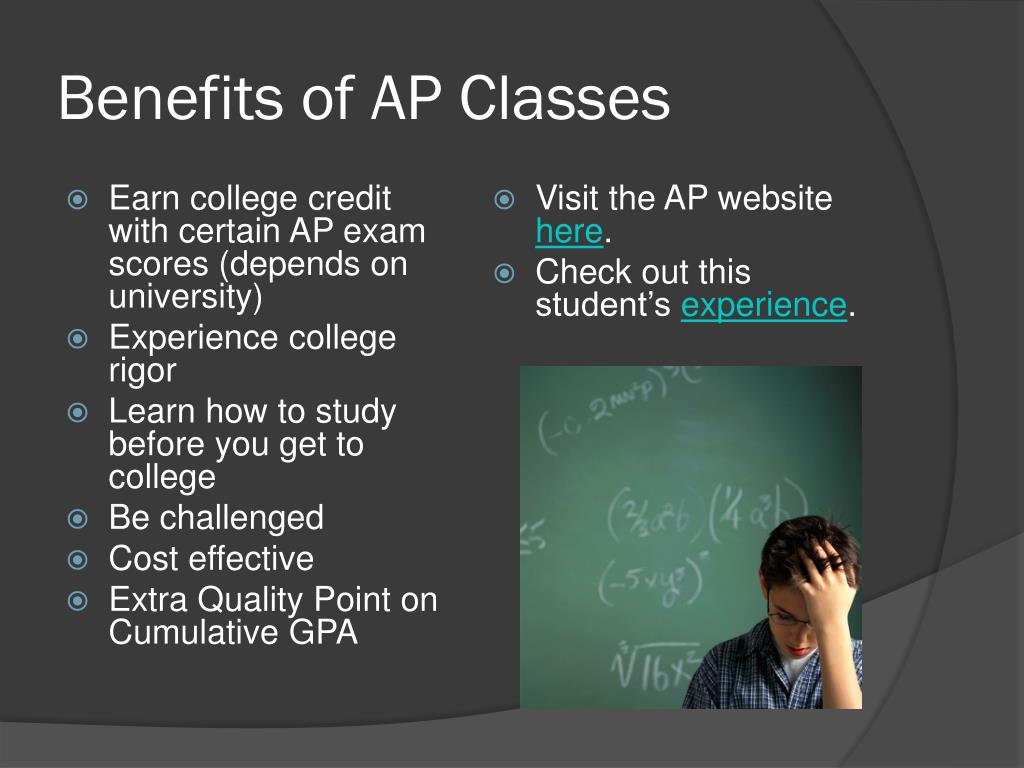
Advanced Placement (AP) courses are rigorous classes that high school students can take to earn college credit. They offer an opportunity for motivated and academically strong students to challenge themselves and stand out when applying to colleges or universities. AP courses are offered in a variety of subjects, including English, math, science, social studies, world languages, and art.
One of the benefits of taking AP courses is the potential to save money on college tuition. Many colleges and universities will award credit for high scores on AP exams. This means that students who pass their AP exams can potentially skip some introductory-level college courses and enter higher-level coursework sooner. In addition to saving money on tuition costs, this also allows students more flexibility in choosing their major or pursuing additional interests.
Another advantage of taking AP courses is the opportunity for academic growth. These classes are designed to be challenging and demanding, pushing students beyond what they might encounter in a regular high school course. The curriculum covers material at a faster pace than traditional classes and requires extensive independent reading and research projects. Students who complete these courses often report feeling better prepared for the academic demands of college.
In addition to academic preparation, AP classes can also help develop important skills like time management, critical thinking, problem-solving abilities, effective communication skills through writing essays etc., collaboration with peers under professional guidance from teachers etc.. These soft-skills prove invaluable later in life as they are necessary not only in academia but also during job interviews/employment opportunities.
However; it’s important to note that while there are many benefits associated with taking AP courses; they may not be suitable for every student due to several reasons such as: time constraints because of extracurricular activities or part-time jobs; availability issues – some schools don’t offer certain subjects or may have limited space available; financial burden – although many fee waiver programs exist; cost still remains an issue for some families which prevents them from participating in such courses.
Moreover, it’s important for students to be aware of the commitment required for AP courses. These classes require significant amounts of time and effort outside of regular school hours. Students are expected to complete extensive reading and research assignments, participate in class discussions, and prepare for exams throughout the year. Teachers also tend to have high expectations from their students in terms of participation, preparation as well as academic performance; which may add on additional pressure.
Despite these challenges, many students find that taking AP courses is a valuable experience that prepares them for success in college and beyond. With careful planning and support from teachers or mentors; students can thrive academically while also developing important life skills such as time management & collaboration with peers under professional guidance etc.. If you’re considering taking an AP course – do your research first by talking with guidance counselors at your school about which subjects would be best suited for you based on your interests and strengths. Then weigh all options carefully before making any commitments!
 Alternative Amie
Leave a comment