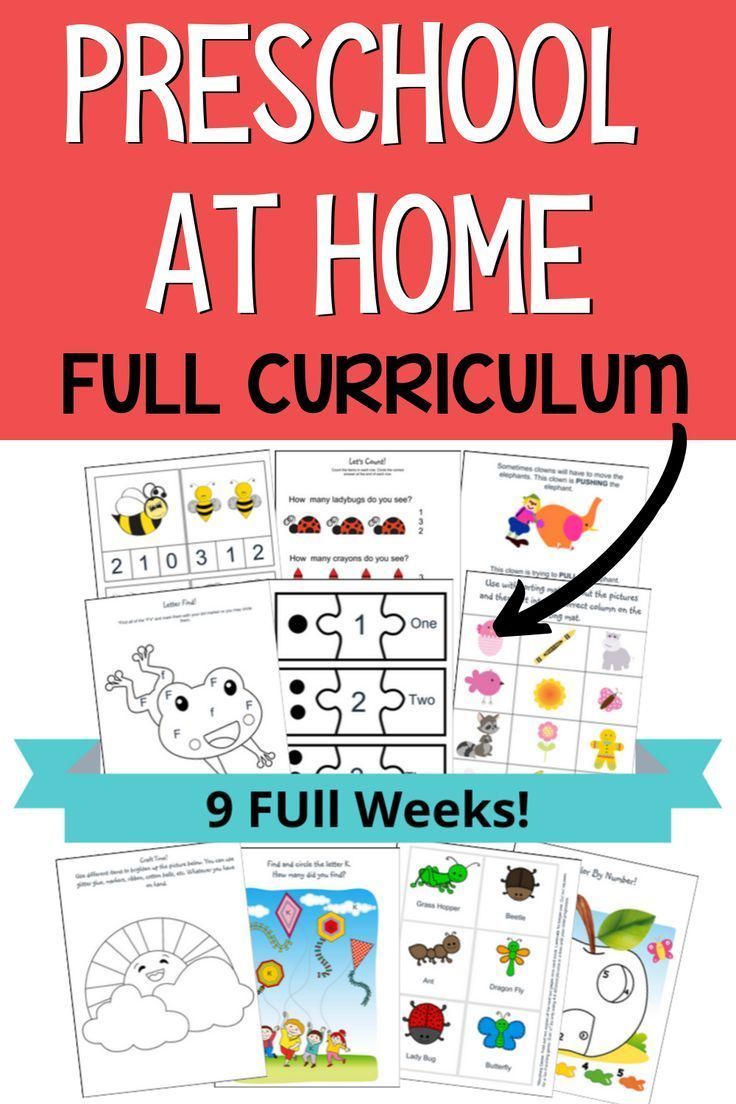
Homeschooling: Embracing a Unique Approach to Education
More and more parents are opting for homeschooling as an alternative approach to education. The reasons are varied; some parents want to provide their children with customized learning experiences, while others have concerns about the quality of public schooling or simply desire greater flexibility in scheduling and curriculum choices.
Whatever the reason behind choosing homeschooling, it is important that parents understand how to select appropriate curricula that will meet both their children’s academic needs and personal interests. There are several considerations that must be taken into account when selecting a homeschool curriculum:
1. Learning style
Every child has a unique learning style, whether they’re visual learners who prefer seeing information presented on paper or screens, auditory learners who learn best through listening and discussion, kinesthetic learners who enjoy hands-on activities or any combination of these.
It is crucial for parents to understand their child’s preferred learning style so that they can choose materials that match this preference. For example, if your child is a visual learner you may opt for textbooks with diagrams and illustrations while if they are kinesthetic you might consider using manipulatives like blocks or puzzles.
2. Goals
Parents should also take into account what goals they have for their children’s education beyond general expectations such as reading, writing and arithmetic. What skills do you hope your children acquire? What subjects do you want them to explore? It is essential that your chosen curriculum aligns with those goals.
For instance, if one of your objectives is teaching life skills like cooking or sewing then incorporating home economics lessons may be necessary while courses in literature may be beneficial if encouraging creativity is one of your objectives.
3. Budget
Another consideration when selecting homeschool curricula should be budget constraints because there are various options available at varying costs depending on the type of program selected- online courses versus textbook based ones- amongst many others.
4. Support system
Additionally, families need support systems to succeed in homeschooling. This can come from joining co-ops, attending support groups or utilizing online resources like forums.
Now that you understand what factors should be taken into account when selecting a curriculum, here are some of the most popular options available:
1. Textbook Curriculum
This is one of the most traditional forms of homeschool curriculum, and it involves using textbooks for all subjects. It is an affordable option but may not cater to the unique needs of every child.
2. Online Curriculum
Online learning programs provide a great deal of flexibility and can be customized to fit individual learning styles and goals. With this method parents have access to quizzes, tests and progress reports while also being able to monitor their children’s progress through interactive platforms.
3. Unit Studies Curriculum
Unit studies involve combining various subjects around a central theme such as Ancient Civilizations or World War II providing students with more integrated education experiences which can lead to greater retention rates than standalone courses.
4. Classical Education Curriculum
This approach emphasizes teaching through “Great Books” where students read original texts from classic authors like Shakespeare or Plato rather than using modern textbooks.
5. Unschooling Curriculum
Unschooling is an entirely child-led approach where parents act as facilitators rather than teachers allowing their kids’ natural curiosity and interests guide their education process.
As we’ve seen there are many options out there but no one-size-fits-all solution for choosing a homeschool curriculum, since each family has different objectives when it comes to education; therefore,it’s vital that parents explore multiple curricula before making any final decision.
In conclusion, Homeschooling presents an incredible opportunity for parents seeking alternative approaches to education while affording them greater control over their children’s academic journey at home.However,it requires careful planning,support system(s),and diligence in searching out appropriate curriculums suitable for both the parent’s budget constraints and preferences as well as catering towards their children’s individual learning styles, interests and goals.
 Alternative Amie
Leave a comment