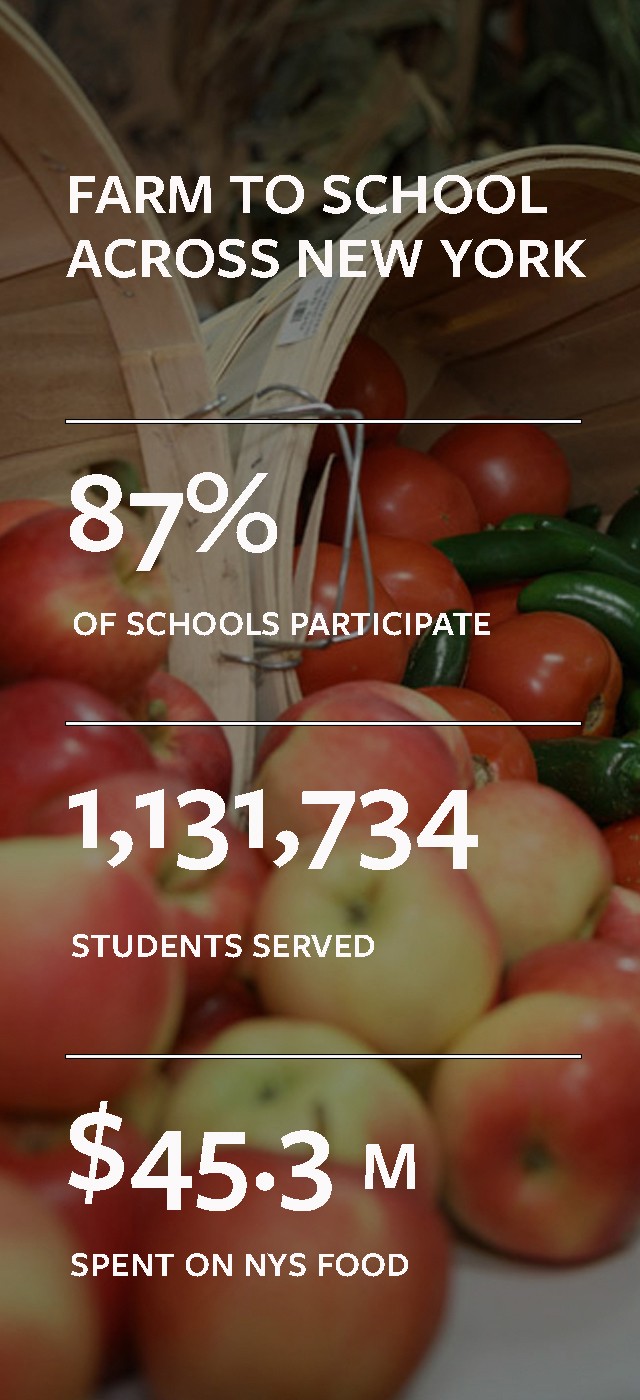
Farm-to-school initiatives have been gaining popularity in recent years, driven by a growing awareness of the benefits of locally grown and sourced food for students. To learn more about these programs and how they are impacting education and communities across the country, we spoke with several experts in the field.
First up was Rachel Spencer, Director of Programs at the National Farm to School Network (NFSN). According to Spencer, farm-to-school initiatives typically involve three components: local procurement, school gardens, and agriculture education. “Local procurement means bringing fresh fruits and vegetables from nearby farms into cafeterias,” she explained. “School gardens provide hands-on learning opportunities for students to grow their own food. And agriculture education teaches children about where their food comes from and how it is produced.”
Spencer emphasized that farm-to-school programs benefit not only students but also farmers and communities as a whole. By purchasing directly from local growers, schools support small businesses and keep money circulating within their region. Additionally, increasing demand for locally grown produce can lead to job creation in farming and related industries.
Another advocate for farm-to-school initiatives is Dr. Steve Ritz, Founder of Green Bronx Machine (GBM), which operates an indoor vertical farm at a public school in New York City’s South Bronx neighborhood. The program uses hydroponic technology to grow fresh produce year-round in a classroom setting.
Ritz believes that access to healthy food can be transformative for low-income communities like his own. “We’re teaching kids that they can take control of their health destiny,” he said. “We’re giving them skills they can use throughout their lives.”
GBM has seen impressive results since its inception in 2011: attendance rates have improved dramatically among participating students, as has academic performance across subjects including math and science.
But while farm-to-school programs offer numerous benefits for young people – including improved nutrition habits – challenges remain when it comes to implementation.
One major hurdle is funding. Spencer noted that purchasing from local farms can be more expensive than buying from larger distributors, although she pointed out that this cost difference may be offset by savings in transportation and storage costs.
Ritz echoed the need for financial support. “We’re competing against iPads and smartboards,” he said. “But this is a different kind of technology – it’s not just about screens, it’s about growing food.”
Both Ritz and Spencer highlighted the importance of partnerships between schools, farmers, and community organizations to make these programs sustainable over time.
Another key factor in success is buy-in from students themselves. Marisa Gerstein Pineau, Director of Programs at FoodCorps – a national nonprofit that places AmeriCorps service members in schools to promote healthy eating habits – emphasized the importance of engaging young people in all aspects of farm-to-school initiatives.
“Kids are much more likely to eat fruits and vegetables if they’ve had a hand in growing or preparing them,” she said. Pineau added that involving students in taste tests and recipe development can also help build excitement around healthier options on school menus.
FoodCorps has been instrumental in expanding access to fresh produce across multiple states through its network of service members who work directly with schools and communities. The organization has also advocated for policy changes at the state level to support farm-to-school initiatives.
Despite challenges facing these programs, there are many success stories worth celebrating. One example is Vermont FEED (Food Education Every Day), a collaboration between three nonprofits focused on promoting education around agriculture, nutrition, and sustainability.
Vermont FEED offers professional development opportunities for teachers as well as curriculum resources on topics like gardening and cooking with kids. The program has reached thousands of students across Vermont since its inception nearly two decades ago.
“We’re really working towards comprehensive change within our food system,” said Betsy Rosenbluth, Co-Director at Vermont FEED. “We want kids to be empowered and knowledgeable about the food choices they’re making.”
As more schools and communities recognize the value of farm-to-school initiatives, these programs are likely to continue growing in popularity – and impact. From improving student health outcomes to supporting local agriculture, there are many reasons to get involved with this movement towards a healthier, more sustainable future.
 Alternative Amie
Leave a comment