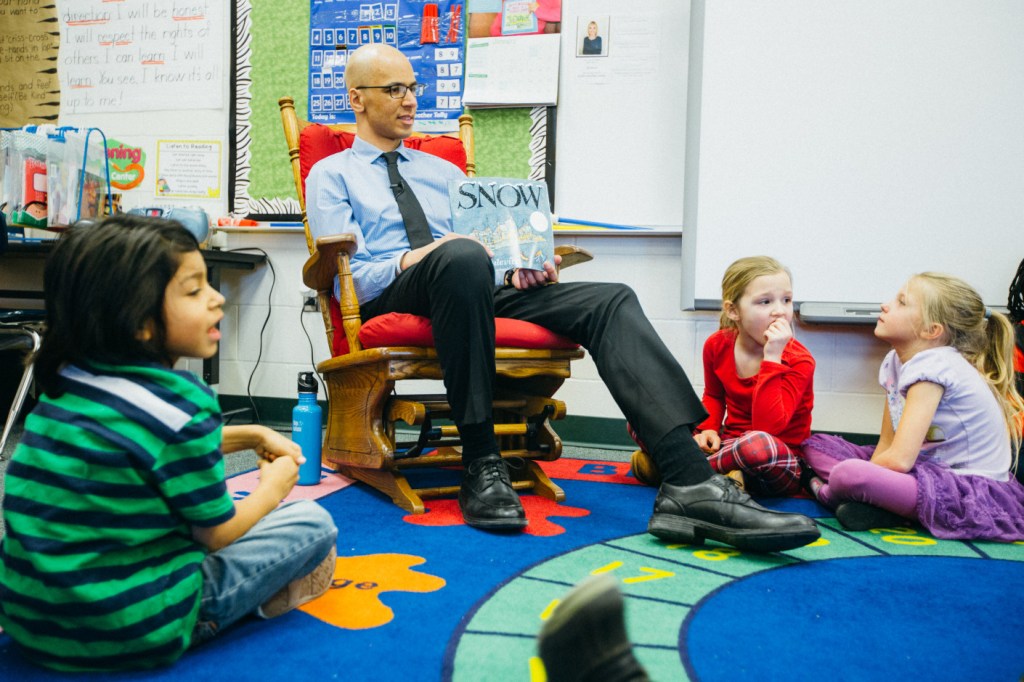
Alternative education settings offer unique opportunities for students to develop problem-solving skills. These settings include everything from homeschooling and unschooling to Montessori schools, Waldorf schools, and other alternative approaches that often prioritize hands-on learning and student-led exploration.
Assessing problem-solving skills in these settings can be challenging since traditional measures like standardized tests may not capture the full range of a student’s abilities. However, there are several effective approaches educators can use to evaluate students’ problem-solving skills in alternative education contexts.
One approach is to observe students engaged in real-world problem-solving tasks. For example, a teacher might ask students to work together on a project that requires them to design and build a working model of a sustainable energy system or create an innovative marketing campaign for a new product. By watching how students collaborate, communicate their ideas, experiment with different solutions, and overcome obstacles along the way, teachers can gain valuable insights into their problem-solving abilities.
Another approach is to use self-assessment tools that give students the opportunity to reflect on their own thinking processes and strategies. For instance, teachers might provide prompts such as “Describe how you approached this challenge,” “What did you learn from your mistakes?” or “How did you make decisions about which solution was best?” Students could then write responses or record videos explaining their thought processes.
A third approach is to use performance-based assessments that require students to demonstrate their ability to solve complex problems using multiple methods or perspectives. These might include activities like designing experiments, analyzing data sets, creating multimedia presentations on current issues affecting society or developing business plans for social enterprises.
In addition to these assessment methods specific for alternative education contexts mentioned above , there are also some general principles educators should keep in mind when evaluating problem-solving skills:
Firstly it’s important not only focus on end results; rather than only looking at whether or not the solution worked but also considering the process itself – how did they get there, what strategies did they use? This can help identify areas where students may need additional support or guidance.
Secondly, it’s vital to provide opportunities for feedback and reflection. Whether through peer review or teacher feedback, giving students the chance to revise their work based on constructive criticism helps them develop critical thinking skills and refine their problem-solving processes.
Thirdly, fostering a growth mindset is essential. Encouraging students to see challenges as opportunities for learning rather than insurmountable obstacles can promote resilience and perseverance in problem solving process.
Lastly, one of the best ways to assess student problem-solving skills is simply by asking open-ended questions that encourage them to think critically about complex issues. These could include prompts like “What are some possible solutions to this challenge?” “What factors would you consider when making a decision?” or “How might society benefit from your proposed solution?”
In conclusion assessing problem-solving skills in alternative education contexts require more creative approaches than traditional assessment methods used in conventional settings . However, these alternative settings offer unique opportunities for students’ development of practical real-world applicable problem solving abilities with emphasis on hands-on experiential learning . Incorporating observation-based assessments , self-assessment tools , performance-based assessments along with providing continuous feedback and promoting a growth mindset while framing open-ended questions are all effective techniques educators can use to evaluate problem-solving abilities of young learners within these environments.
 Alternative Amie
Leave a comment