Blended Learning Models: A Comprehensive Guide
In recent years, schools and educators have been exploring new ways to deliver education beyond the traditional classroom setting. One of the most innovative approaches is blended learning, which combines face-to-face instruction with online learning. In this article, we will dive into what blended learning models are, how they work, and their benefits.
Defining Blended Learning Models
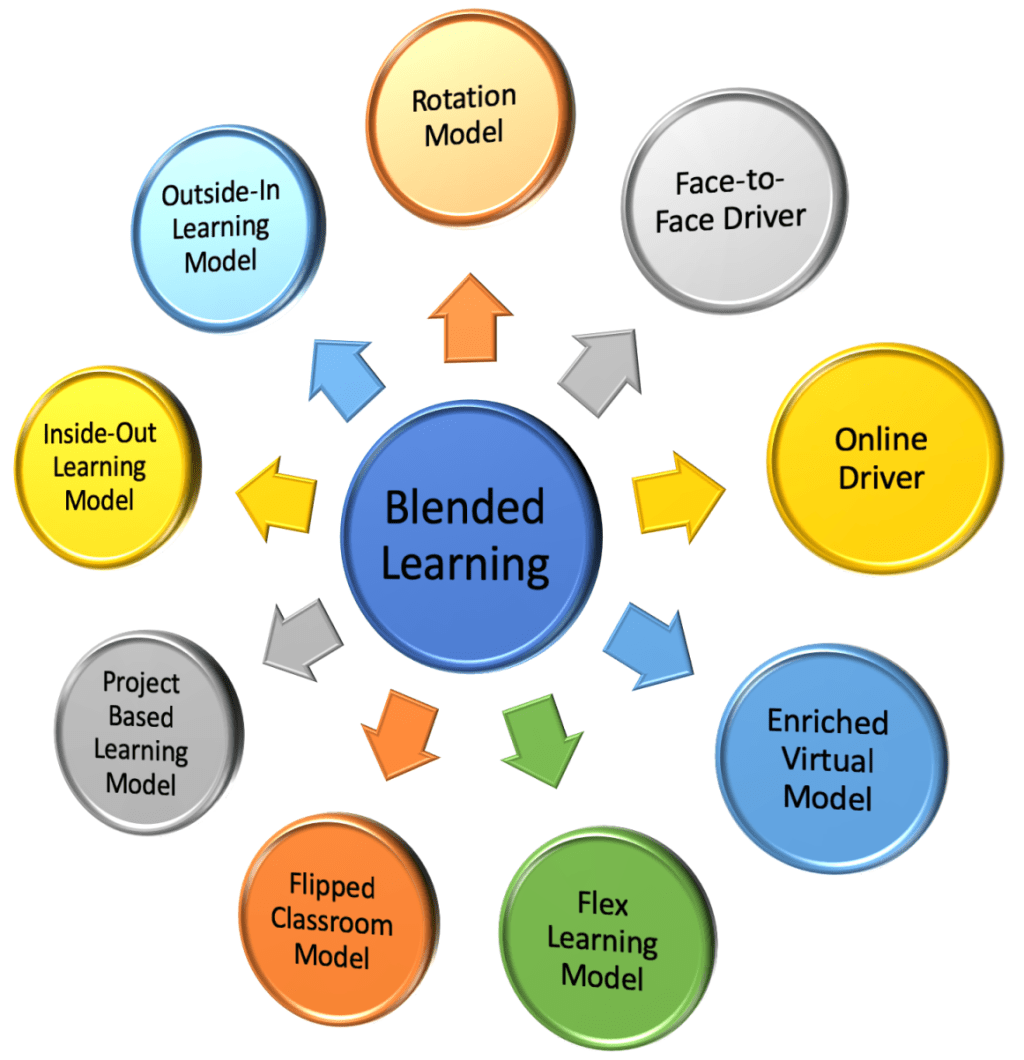
Blended learning models combine traditional classroom instruction with online learning activities. The goal is to create a more personalized and flexible learning experience that meets the needs of individual learners. There are several different types of blended learning models:
1. Rotation Model: This model involves students rotating between traditional teacher-led instruction and computer-based instruction in a fixed schedule.
2. Flex Model: In this model, students learn primarily through online courses but have the option to receive in-person support from teachers as needed.
3. A la Carte Model: Students take one or more classes entirely online while attending other classes in person at school.
4. Enriched Virtual Model: This model includes partial face-to-face instruction combined with virtual coursework.
5. Flipped Classroom Model: In this model, students watch video lectures or complete readings outside of class time and then spend class time engaging in collaborative activities facilitated by their teacher.
How Blended Learning Models Work
The success of blended learning models relies on integrating technology into traditional teaching methods effectively. Teachers must select appropriate digital tools for each lesson that aligns with instructional goals and student needs.
For example, under the rotation model, teachers divide their class into smaller groups based on ability level or interest area so that each group can rotate between independent study via digital resources such as videos or interactive simulations and small-group discussions led by a teacher during set times throughout the day or week.
In contrast, under a flex model where most lessons are taught virtually through an online curriculum platform like Edmentum or Khan Academy; if there is a concept that students struggle with, they can schedule one-on-one time with the teacher for further support.
Benefits of Blended Learning Models
1. Personalized learning: Blended learning models allow teachers to personalize instruction based on individual student needs and interests, providing more targeted support and feedback to each pupil.
2. Flexibility: Blended learning models offer greater flexibility than traditional classroom teaching, allowing students to learn at their own pace and in a way that suits them best.
3. Improved engagement: Integrating technology into the classroom environment allows for more interactive lessons that are often more engaging than traditional lectures alone.
4. Student-centered approach: By focusing on individual student needs, blended learning models put learners at the center of education rather than forcing them to adapt to a one-size-fits-all approach.
5. Cost-effectiveness: Implementing blended learning models can be cost-effective as it reduces overhead costs associated with delivering traditional classroom instruction while still meeting the educational standards set by states.
Challenges of Blended Learning Models
While there are many benefits of blended learning models, there are also some challenges that educators should consider when implementing this approach:
1. Technological infrastructure: Schools must have access to reliable internet connectivity and devices such as laptops or tablets for every student if they want successful implementation of blended learning programs.
2. Teacher training: Teachers need specialized training to integrate digital tools effectively into their lesson plans and provide effective virtual instruction tailored towards different ability levels or interest areas within a class setting.
3. Monitoring progress: Teachers must monitor student progress regularly in an online environment since they do not always have direct contact with students during independent study periods under certain types of blended-learning models like rotation model or flex model where most lessons occur virtually outside school premises.
4. Equity issues: Students from low-income families may not have access to necessary technology at home or lack sufficient support from parents/guardians due to various reasons such as language barriers or lack of time, which can widen the gap between students from different socio-economic backgrounds.
5. Increased workload: Blended learning models require an increased workload for teachers as they must manage both face-to-face instruction and online instructional activities, making it more challenging to balance grading and other administrative duties.
Conclusion
Blended learning models offer a flexible approach that can be tailored to meet the needs of individual students. By combining traditional classroom instruction with online learning activities, teachers can create a more personalized and engaging environment that fosters student-centered education. However, implementing blended learning models requires careful planning and consideration of various factors such as technological infrastructure, teacher training, monitoring progress regularly along equity issues affecting learners within each social class setting. As schools continue to adopt these innovative approaches to teaching and learning, educators must remain committed to ongoing professional development in order to deliver high-quality instruction that meets the needs of all their students.
 Alternative Amie
Leave a comment