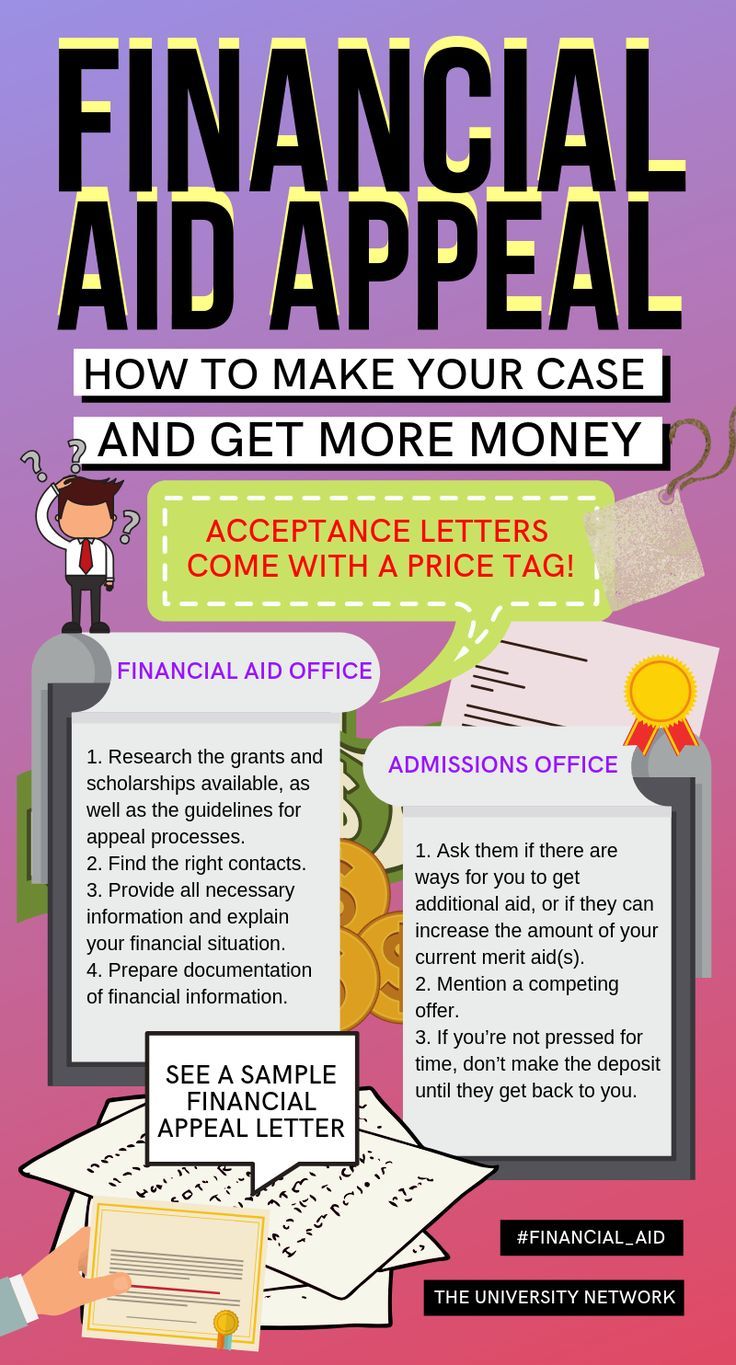
College education in the United States can be expensive and unaffordable for many. However, financial aid is available to help students pay for their tuition, room and board, books, and other related expenses. Below are ten types of financial aid that college students can apply for.
1. Federal Pell Grant: The Pell Grant is a need-based grant that does not have to be repaid. Eligibility is determined by the Free Application for Federal Student Aid (FAFSA). For the 2020-2021 academic year, the maximum award amount is $6,345.
2. Federal Work-Study Program: This program provides part-time jobs to eligible students while they are enrolled in school. Students can work on or off-campus and earn money to pay for their expenses.
3. Subsidized Stafford Loan: These loans are available to undergraduate students who demonstrate financial need based on FAFSA results. Interest does not accrue while the student is in school at least half-time.
4. Unsubsidized Stafford Loan: These loans are also available to undergraduate students but do not require demonstration of financial need as it accrues interest while in school.
5. Perkins Loan: This loan has low-interest rates and is awarded to undergraduate or graduate students who demonstrate exceptional financial need based on FAFSA information provided by schools that participate in this program.
6. Parent PLUS Loan: Parents of dependent undergraduate students may qualify for this loan if they meet specific credit requirements set forth by the U.S Department of Education.
7. Private Loans from Banks or Credit Unions: Private loans come with higher interest rates compared with federal student loans but may offer additional funding options when other resources aren’t enough
8.Tuition reimbursement programs – Some employers offer tuition reimbursement programs as an employee benefit whereby employees receive some form of tuition assistance upon completing courses or degrees relevant to their careers
9.Scholarships – Scholarships are merit-based and are awarded to students who excel academically, athletically or in their community. Scholarship opportunities come from a variety of sources such as private organizations, foundations, corporations as well as colleges and universities.
10.Grants – Similar to scholarships these do not need to be repaid however they may be based on financial need or set criteria
In conclusion applying for financial aid can help ease the burden of paying for college education. Even if one does not qualify for grants or state loans they may still have access to other types of funding options through employers, various scholarship programs provided by private organizations or universities themselves. It is important that students exhaust all available resources before turning towards personal expenses like credit cards which can lead them into debt trouble down the road.
 Alternative Amie
Leave a comment