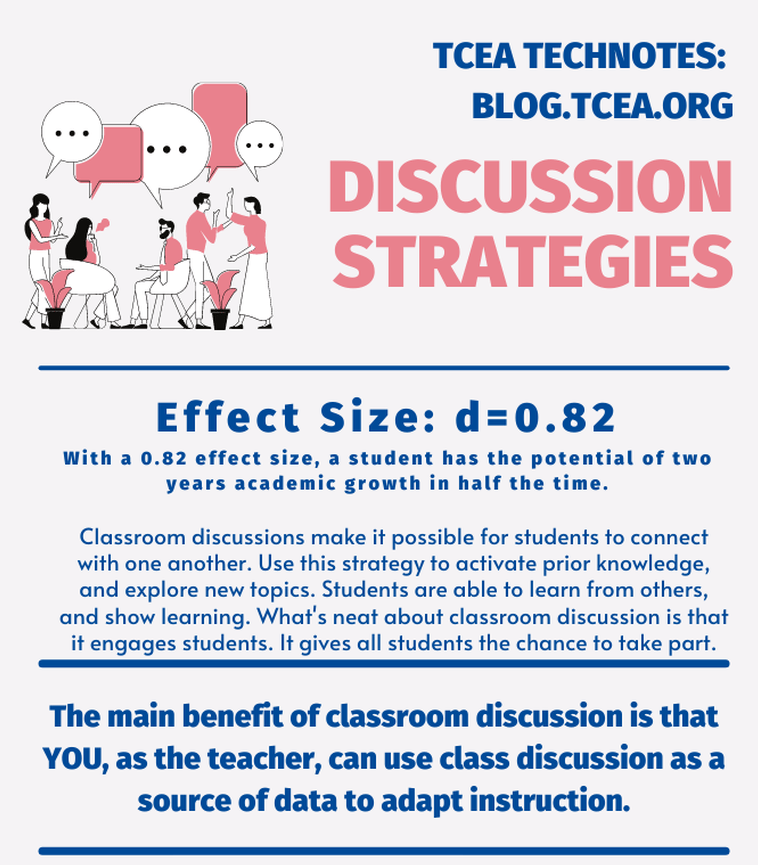
Classroom discussions are an integral part of modern education. They provide students with opportunities to express their opinions, learn from others, and practice critical thinking skills. In this article, we will look at some statistics that highlight the importance of classroom discussions.
According to a study conducted by the National Education Association (NEA), classroom discussions can improve learning outcomes significantly. The study found that students who participate in classroom discussions perform better on tests than those who do not engage in such activities. Moreover, they are more likely to retain what they have learned for longer periods.
Another survey conducted by EdWeek Research Center showed that 89% of teachers believe that classroom discussions help their students develop social skills. By participating in group activities and sharing ideas with peers, students learn how to communicate effectively and collaborate with others.
Furthermore, classroom discussions can also promote cultural competence among students. A report published by the American Psychological Association stated that diverse classrooms can facilitate conversations about race and ethnicity. Students who participate in these conversations are more likely to develop respect for other cultures and perspectives.
However, it is important to note that not all classroom discussions are created equal. According to a research paper published in Educational Researcher journal, there are six key factors that contribute to successful class discussion:
1) Teacher facilitation: Teachers should guide the discussion but avoid dominating it.
2) Student preparation: Students should come prepared with questions or ideas related to the topic.
3) Active listening: Students must listen carefully to each other’s viewpoints.
4) Respectful behavior: All participants must treat each other with respect.
5) Multiple perspectives: The discussion should include diverse viewpoints on the topic.
6) Meaningful connections: The discussion should connect back to course material or real-world applications.
In conclusion, statistics show us that classroom discussions play a vital role in enhancing student learning outcomes and developing essential social skills. However, it is crucial for educators to create an environment where meaningful and respectful conversations can take place. By doing so, we can equip our students with the necessary skills to become effective communicators and active members of society.
 Alternative Amie
Leave a comment