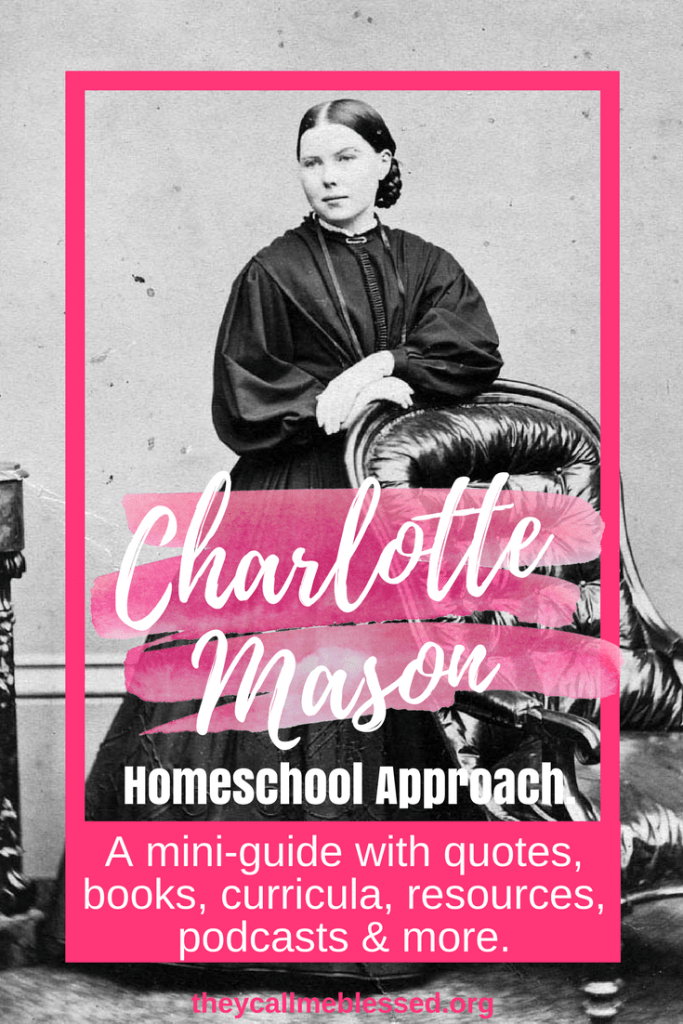
The Charlotte Mason method is a popular educational approach that has been gaining traction in recent years. It is named after the British educator Charlotte Mason, who lived from 1842 to 1923 and believed that children should be treated as individuals with unique personalities and abilities. Her educational philosophy has been embraced by homeschoolers, alternative schools, and even traditional public schools.
At its core, the Charlotte Mason method emphasizes the importance of educating the whole child – not just their academic abilities but also their character development, physical health, and spiritual growth. The goal is to create well-rounded individuals who are equipped to navigate life’s challenges with confidence and grace.
One of the key components of this approach is the use of “living books.” These are books that are written in an engaging style and offer a rich sensory experience – they should make readers feel like they are right there in the story. Living books help children develop language skills, learn about different cultures and time periods, build empathy for others’ experiences, and spark their imagination.
Another aspect of Charlotte Mason education is nature study. Children spend time outdoors observing plants, animals, weather patterns, etc., which helps them learn about science concepts firsthand while also developing a love for nature. This can include taking regular walks or hikes outside or even starting a garden at home or school.
Additionally, narration plays a big role in this method. Narration involves having children retell stories or lessons they’ve learned in their own words – it helps them internalize what they’ve learned more deeply than simply memorizing facts from textbooks.
Another hallmark of Charlotte Mason education is short lessons – no longer than 20 minutes each for younger students – followed by plenty of outdoor playtime or other non-academic activities. This keeps kids engaged without overwhelming them with too much information at once.
In terms of curriculum options for families interested in using this approach at home or teachers implementing it in alternative classrooms: there are many resources available online, including free or low-cost lesson plans and curriculum guides. Some popular Charlotte Mason-inspired curricula include Ambleside Online, Simply Charlotte Mason, and A Gentle Feast.
One of the benefits of this method is that it can be adapted to fit the needs of individual learners – whether they are gifted and need extra challenges or have learning disabilities and require accommodations. The emphasis on developing each child’s unique abilities means that there is no “one-size-fits-all” approach to education.
Critics of the Charlotte Mason method argue that it may not prepare children adequately for standardized tests or college entrance exams – however proponents counter that these types of assessments don’t necessarily measure true intelligence or creativity. They also point out that many homeschooled students who use this approach have gone on to attend prestigious universities and excel in their careers.
In conclusion, the Charlotte Mason method offers a holistic approach to education that focuses on developing each child’s intellectual, emotional, physical, and spiritual wellbeing. Its emphasis on living books, nature study, narration, short lessons followed by playtime has helped countless families educate their children in a way that honors their unique personalities while building a strong foundation for lifelong learning. Whether you’re an experienced homeschooler or a classroom teacher looking for fresh ideas: exploringthis alternative approach could lead to transformative experiences for both you and your students.
 Alternative Amie
Leave a comment