Personalized Learning Plans: A Comprehensive Guide
Education is one of the most important aspects of a person’s life. It equips individuals with knowledge, skills, and competencies that enable them to succeed in their personal and professional lives. However, traditional schooling methods often fail to cater to the diverse needs of learners. This is where personalized learning plans come into play.
What are Personalized Learning Plans?
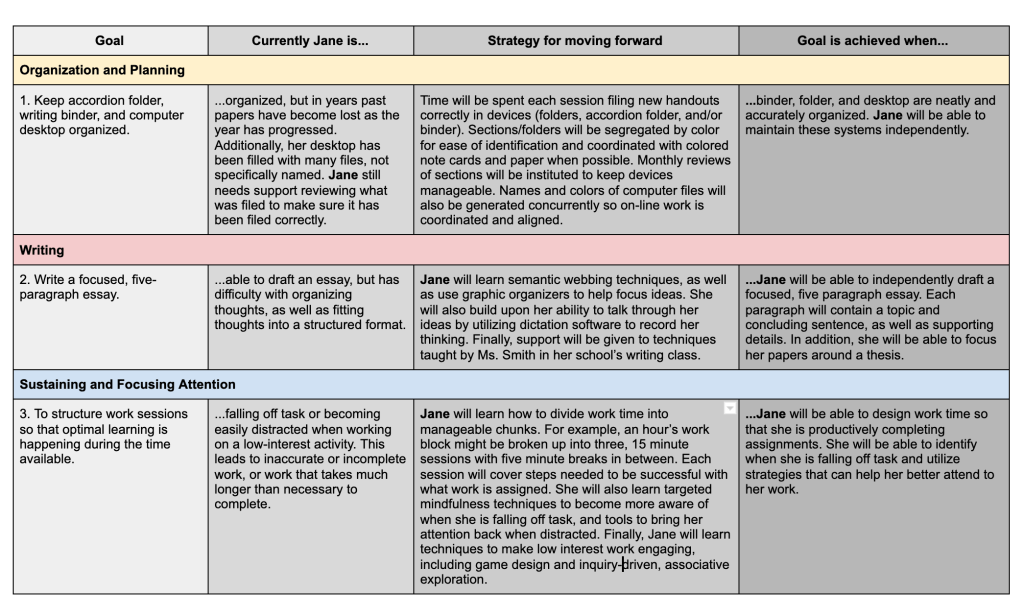
Personalized learning plans (PLPs) are customized educational programs that cater to individual students’ unique learning styles, interests, strengths, and weaknesses. They provide a student-centered approach to education by tailoring instructional strategies according to each learner’s preferences.
PLPs aim at enhancing student engagement by providing more meaningful and relevant content that aligns with students’ interests and career aspirations. They also help educators monitor students’ progress better while enabling them to adjust instruction based on the individual’s needs.
Components of Personalized Learning Plans
A comprehensive PLP includes several components designed to maximize the benefits for both educators and learners alike:
1. Student Goals: These goals should be specific, measurable, attainable, relevant, and time-bound (SMART). Students should be encouraged to set academic as well as personal goals that align with their overall aspirations.
2. Curriculum: The curriculum should include all essential standards required by state or national education systems while allowing room for flexibility based on an individual student’s requirements.
3. Instructional Strategies: Teachers must use various teaching methodologies such as project-based learning activities or experiential learning opportunities tailored explicitly for each student’s needs.
4. Assessment Methods: Assessments should vary depending on each student’s preferred mode of assessment – written exams may not suit some students who prefer visual or interactive assessments such as presentations or portfolios.
5. Reflection & Revision: Students must have frequent opportunities for reflection on what they have learned so far in relation to their goals; this helps them identify areas where they need improvement while celebrating successes. Teachers should also encourage students to revise their goals and plans accordingly.
Benefits of Personalized Learning Plans
The benefits of personalized learning plans are numerous and include:
1. Increased Engagement: Students who have a say in what they learn tend to be more engaged and motivated, leading to better academic performance.
2. Improved Academic Performance: When students receive personalized instruction, they can focus on their strengths while addressing areas where they need improvement.
3. Better Teacher-Student Relationships: PLPs allow teachers to build stronger relationships with their students as they get to know them better through the process of creating individualized education programs for each student.
4. Flexibility: Since PLPs are tailored according to each student’s unique needs, there is greater flexibility in terms of content delivery methods, pacing, and assessment styles.
Challenges Associated with Personalized Learning Plans
Despite the many benefits it offers, implementing personalized learning plans poses several challenges that educators must address:
1. Resource Constraints: Developing personalized learning plans requires additional time and resources from educators since each plan is tailored explicitly for an individual student’s needs.
2. Technology Integration: Integrating technology into education systems can be challenging for some schools due to financial constraints or inadequate infrastructure.
3. Teacher Training & Support: Educators need training on how best to develop and implement PLPs effectively; adequate support is crucial in ensuring successful implementation too.
4. Accountability Measures: The effectiveness of personalized learning plans must be measured using appropriate tools; this can prove difficult given the diverse nature of assessments required per student requirement under such a system.
Conclusion
Personalized learning plans offer a promising solution that addresses traditional schooling methods’ shortcomings by providing customized educational programs tailored explicitly for each learner’s needs.
PLPs provide opportunities for learners to engage meaningfully with educational content while developing critical thinking skills required both academically or personally.
While there may be some challenges associated with implementing PLP systems in schools across the world, the benefits it offers outweigh such challenges. This is why schools must consider incorporating PLPs into their education systems to prepare learners better for future challenges that they may face beyond the classroom.
 Alternative Amie
Leave a comment