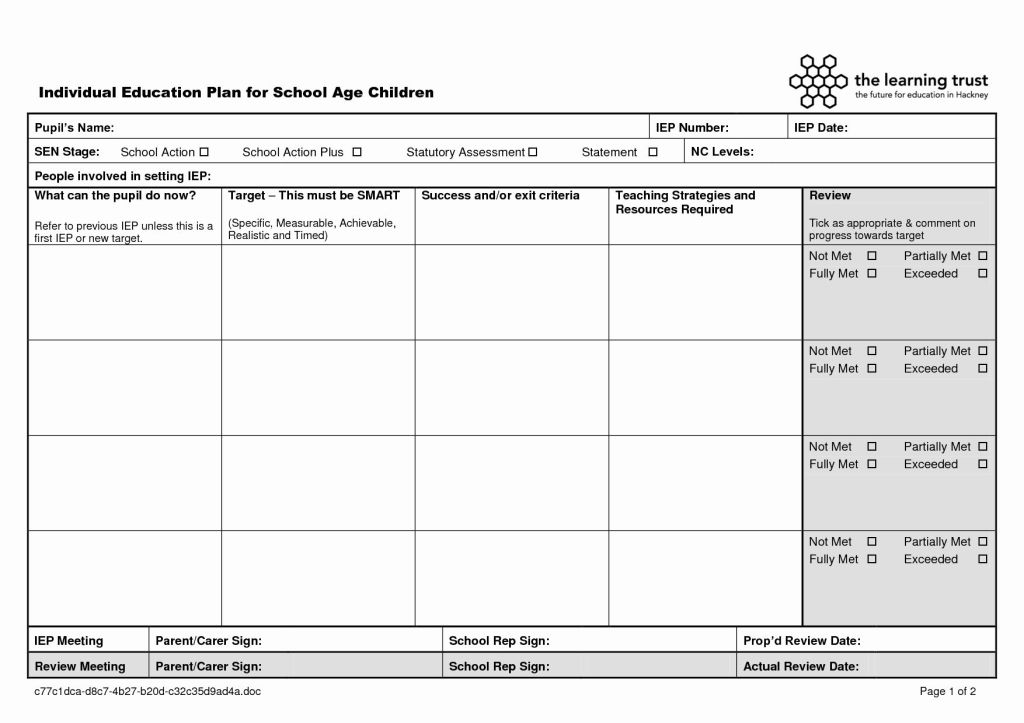
Personalized Learning Plans (PLPs) have been a popular approach in education for decades. They are designed to help students take ownership of their learning, set individualized goals, and track their progress over time. PLPs are often implemented in alternative or non-traditional schools, where the focus is on student-centered learning.
The idea behind PLPs is simple: every student has unique strengths, weaknesses, interests, and learning styles. By tailoring instruction to meet these individual needs, we can provide a more effective and engaging educational experience for each student. This approach also helps to promote self-awareness and self-direction among learners.
One of the key benefits of PLPs is that they allow students to pursue their passions while still meeting academic requirements. For example, a student who loves music might incorporate music theory into her math lessons or use songwriting as a way to practice writing skills. By making connections between subjects that interest them and those they find challenging, students are more likely to stay engaged in their work.
Another advantage of PLPs is that they foster greater communication between teachers and students. Teachers must collaborate with each student to create an individualized plan based on his or her needs and interests. This process requires ongoing dialogue about what works well for the student and what does not. As a result, teachers gain insight into how best to support each learner’s growth.
In addition, PLPs encourage students to take responsibility for their own learning by setting goals and tracking progress towards those goals over time. Students learn how to reflect on their own performance objectively while identifying areas where they need help or improvement.
However, implementing personalized learning plans can be challenging due to resource constraints such as staffing levels or lack of funding for instructional materials or technology necessary to support this type of instruction effectively across all classrooms within an institution.
Despite these challenges though many educators continue championing personalized approaches like PLP because it prioritizes the learner over standardization which is not always effective in meeting the needs of every student.
In conclusion, personalized learning plans have been a powerful tool for many educators seeking to provide students with individualized and engaging educational experiences. By focusing on each student’s unique strengths, weaknesses, interests, and learning styles, PLPs promote self-awareness and self-direction while fostering communication between teachers and learners. Although implementation of PLP can be challenging due to resource constraints it remains a viable approach in education today that prioritizes the learner over standardization.
 Alternative Amie
Leave a comment