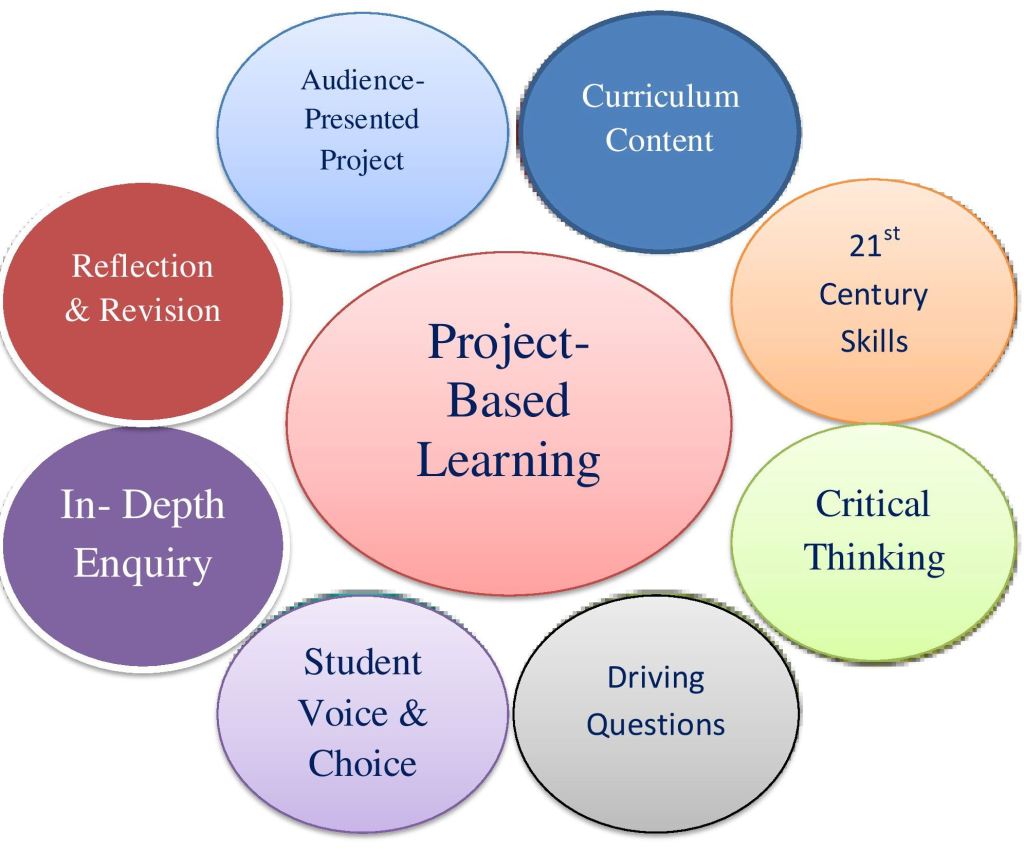
Project-based learning (PBL) is a teaching approach that has been gaining traction in recent years. This method emphasizes student-driven inquiry and hands-on projects to drive learning. Unlike traditional classroom instruction, where students are often passive receivers of information, PBL places students at the center of their own learning experiences.
In PBL, students work on projects that are relevant to their interests and needs. These projects can take many different forms: building a model car, creating a documentary film, designing a website, or organizing a community event. Whatever the project may be, it should challenge students to use critical thinking skills and apply knowledge from various subject areas.
One of the key benefits of PBL is that it provides an opportunity for deep engagement with content. When students work on projects that they care about deeply, they are more likely to stay focused and invested in their work. Additionally, because PBL requires collaboration among peers and teachers alike, it fosters strong relationships within classrooms and schools.
Another benefit of PBL is that it prepares students for real-world challenges beyond the classroom walls. In today’s fast-paced world, employers are looking for workers who can think independently and solve complex problems on their own. By working on challenging projects in school settings – whether alone or in groups –students develop these important skills while still enjoying guidance from teachers.
Despite its many advantages over traditional schooling methods; however some critics argue against implementing project-based learning due to concerns around standardized testing measures used by state education departments across America.
While there may be some valid concerns surrounding PBL’s impact on standardized test results; advocates point out that this innovative approach will help our future generations become well-rounded individuals who possess both academic knowledge as well as crucial problem-solving skills needed not only succeed academically but also professionally later down the road once entering into job markets worldwide!
The success stories resulting from implementing Project-Based Learning programs nationwide have shown educational institutions how much value this approach can bring to students. Many schools have reported significant improvements in student engagement, attendance rates and academic performance.
To get started with PBL, teachers need to first identify a project that will challenge their students and align with their curriculum’s goals and objectives. They should also provide clear guidelines for the project so that students understand what is expected of them.
Once the project has been selected, teachers must make sure they are providing ample support to help guide students through it from start to finish. This may include offering feedback on drafts or prototypes as well as answering questions about concepts or techniques used during the creation process.
In addition, it is crucial for teachers to create opportunities for reflection throughout each stage of the project – this allows learners time to think deeply about what they have learned so far; consider alternative approaches or perspectives if needed; and evaluate how well they are meeting their own learning goals.
Lastly but not least important tip when implementing PBL into your classroom: remember that assessment should be an ongoing process rather than a one-time event at the end of a semester or year! Teachers must ensure there are numerous checkpoints built into every step along the way which helps gauge success in both individual & group performances while giving valuable feedback necessary towards improving outcomes!
In conclusion, Project-based learning (PBL) offers many benefits over traditional schooling methods by emphasizing student-driven inquiry and hands-on projects as opposed passive reception of information common within institutionalized education systems today. With careful planning and implementation strategies put in place by educators nationwide combined with ongoing assessment practices coupled alongside each stage starting from ideation down until final output – learners can gain valuable experiences which prepare them not just academically but professionally too!
 Alternative Amie
Leave a comment