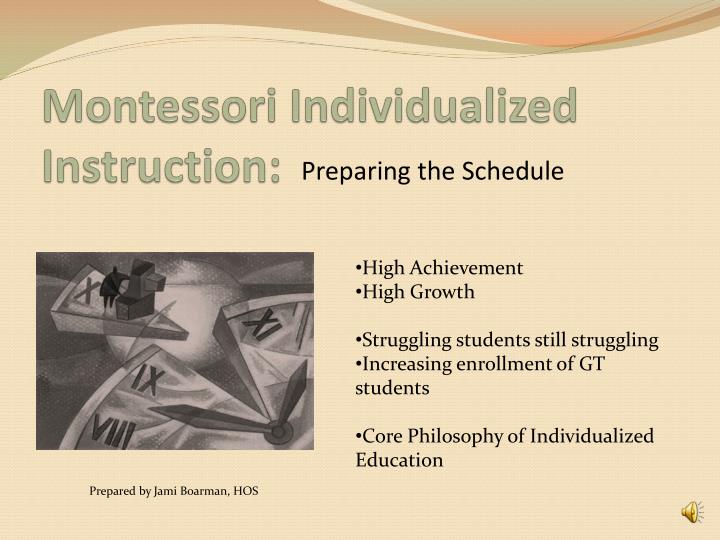
As the world moves forward, education must keep up with the latest trends and methods to provide students with a well-rounded learning experience that prepares them for their future. One such approach is individualized instruction, which provides personalized learning experiences tailored to each student’s unique strengths and weaknesses.
Individualized instruction refers to an educational method in which teachers customize lessons based on each student’s needs, interests, skills, and pace of learning. Rather than using a one-size-fits-all approach that assumes all students learn at the same rate and have similar interests or abilities, this method recognizes that every child has unique characteristics that need to be considered when designing instructional strategies.
By tailoring lessons according to each student’s individual needs, teachers can help them achieve academic success while also developing confidence in their abilities. This not only benefits the student but helps build a positive relationship between teacher and learner. Students are more likely to feel valued and respected when they receive personalized attention from their educator.
In order for individualized instruction to be effective, it requires educators who are highly skilled in identifying different skill levels among students as well as providing support where needed so that no one is left behind academically.
There are various approaches used by schools implementing individualized instructions; some use technology where computer programs generate tailor-made lessons for each student depending on test results while others rely on traditional teaching methods designed around small groups of learners who share common attributes such as reading levels or interests.
Regardless of which approach your school adopts or how it implements it – what matters most is how closely aligned your curriculum aligns with best practices for individualizing instruction within your specific context.
Some tips for educators looking to implement this strategy include:
1) Get familiar with each of your students: Take time out of regular class hours if necessary to understand each child’s strengths and weaknesses better. What motivates them? What demotivates them? How do they like being taught?
2) Create a customized learning plan for each child: Based on your findings, create a personalized learning plan that is tailored to each student’s needs. This should include specific goals and how they will be measured.
3) Incorporate technology into the process: Technology tools like adaptive software can help educators track progress and tailor instruction based on students’ individual needs.
4) Encourage collaboration among learners: By working with peers, students can learn from one another while also developing social skills that are critical in navigating the world outside of school.
5) Provide regular feedback: It is essential to provide continuous feedback throughout the learning process. Students need to know what they’re doing well and where they need improvement so that they can adjust their approaches accordingly.
The benefits of individualized instruction go beyond academic achievement; it also helps develop essential life skills such as problem-solving, self-direction, creativity, and communication. By fostering an environment in which all children feel valued and respected, schools can help students become confident individuals who are equipped for success in their future endeavors.
In conclusion, individualized instruction is a powerful tool for educators seeking to create meaningful experiences for every student. With a focus on personalization rather than uniformity or conformity, teachers can help students achieve academic success while building positive relationships with them. Implementing this strategy requires careful planning but offers significant benefits for both learners and educators alike.
 Alternative Amie
Leave a comment