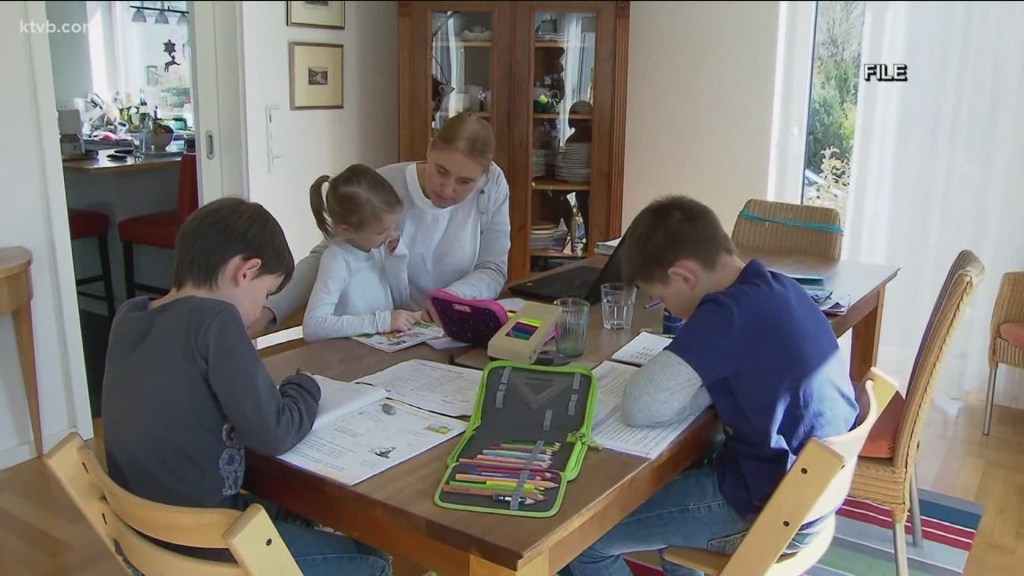
As the world continues to evolve, so does the education system. With traditional schools becoming more expensive and overcrowded, many low-income families and underserved communities are struggling to provide their children with quality education. However, microschools offer a solution that is both affordable and effective.
Microschools are small schools that typically have less than 150 students per campus and focus on personalized learning experiences tailored to individual student needs. They are perfect for low-income families or underserved communities because they offer an alternative to public schools that often lack resources or fail to meet the unique educational needs of each child.
One of the most significant advantages of microschools is their flexibility in curriculum design. Unlike traditional schools that follow a rigid set of standards across all classes, microschools can adapt their curricula based on what works best for each student’s learning style. This approach allows teachers to create more engaging lessons that keep students interested while ensuring they learn at their own pace.
Another benefit is the close-knit community within microschool environments. Teachers at these schools often work closely with parents/guardians, creating a supportive network focused on helping every student succeed academically and socially. This engagement creates trust between stakeholders who become invested in each other’s success.
Small class sizes allow teachers to give students individual attention which not only leads them towards academic progress but also helps build strong relationships with their peers and instructors alike resulting in improved mental health outcomes for students.
In addition, many microschools tailor extracurricular activities around specific interests like art or sports rather than offering generic programs aimed at attracting as many students as possible regardless of aptitude or interest level. This strategy enables children from all walks of life with diverse interests an opportunity to pursue what they enjoy most without feeling left out due to economic constraints.
Microschooling has emerged as a promising option for low-income families searching for alternatives when it comes time for choosing where kids will attend school. In fact, many microschools have been successful in helping students from low-income backgrounds attain higher education levels, thereby creating a pathway to success that might not otherwise be available.
Microschools have also proven beneficial for children who come from underserved communities. In these situations, the flexibility of curriculum design and individual attention can help close the achievement gap between disadvantaged students and their more affluent peers. Additionally, microschools often provide opportunities for students to learn about different cultures and perspectives, providing them with a broader understanding of the world around them.
Cost-effectiveness is another great feature of microschools compared to traditional schools. With smaller class sizes and fewer administrative costs, they can offer quality education at an affordable price point which makes it accessible for low-income families as well as those living in underserved communities.
In conclusion, Microschooling offers a unique alternative to traditional public schooling systems by providing personalized curriculums tailored towards the needs and interests of each student. The small class sizes allow teachers to focus on individual learning styles while fostering strong relationships within classrooms that lead both academic progress and improved mental health outcomes. For low-income families or those living in underserved communities looking for quality education without breaking their budget; microschooling provides an affordable yet effective solution that’s worth considering.
 Alternative Amie
Leave a comment