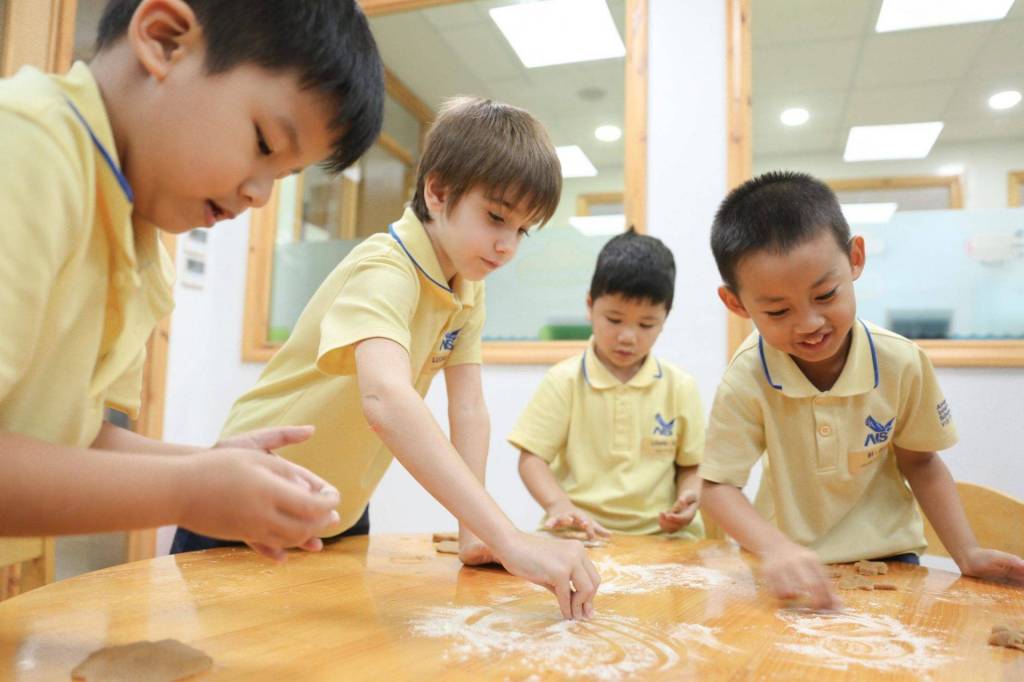
Experiential learning is a unique approach to education that emphasizes practical, hands-on experiences over traditional classroom teaching methods. This type of learning has become increasingly popular in recent years as more and more educators recognize its effectiveness in helping students develop critical thinking skills, problem-solving abilities, and real-world knowledge.
One of the primary benefits of experiential learning is that it allows students to actively engage with the subject matter they are studying. Instead of simply reading about a topic or listening to lectures, students get to experience it firsthand through field trips, simulations, and other interactive activities. This not only makes learning more engaging and enjoyable but also helps students retain information better than passive forms of instruction.
Another advantage of experiential learning is that it encourages creativity and innovation. By giving students opportunities to explore new ideas and approaches independently, this type of education fosters an entrepreneurial spirit that can lead to exciting new discoveries and breakthroughs. Additionally, by exposing learners to different cultures and perspectives through travel or community service projects, experiential learning promotes empathy and understanding across diverse backgrounds.
However, implementing experiential learning can be challenging for educators who are used to more traditional teaching methods. It requires careful planning and collaboration between teachers, administrators, parents/guardians as well as community partners such as museums or local businesses. Moreover, because there isn’t necessarily one “right” way to do experiential learning – each student’s needs will vary based on their interests – teachers must be flexible in their approach while still maintaining academic rigor.
Despite these challenges though many schools around the world have embraced experiential learning techniques for its positive impact on student engagement levels alongside academic achievement outcomes which prepare them for future work or life opportunities. Through this innovative educational approach we could see our next generation finding success beyond what we ever imagined possible!
 Alternative Amie
Leave a comment