Personalized Learning: A Critique
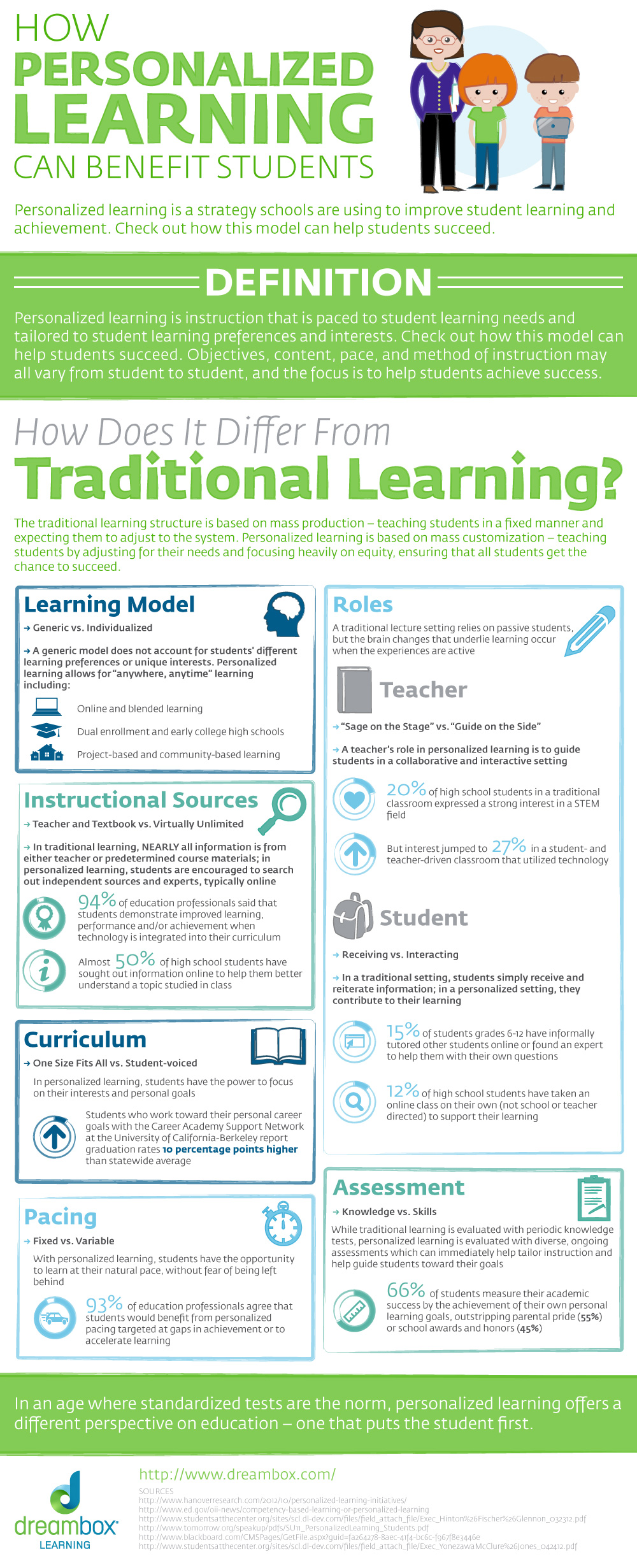
Personalized learning is an approach to education that tailors instruction to the unique needs, strengths, and interests of each student. The idea is simple enough – if we treat every student as a distinct individual with their own set of abilities and challenges, then we can create a more effective learning experience for them.
Proponents of personalized learning argue that it allows students to learn at their own pace, provides more opportunities for engagement and creativity, and better prepares them for real-world situations where they will need to be self-directed learners. However, this approach has also been met with criticism due to its potential drawbacks.
In this article, I will explore some of the critiques leveled against personalized learning in order to provide a balanced understanding of this educational approach.
Critique #1: Personalized Learning Can Be Expensive
One major critique of personalized learning is related to cost. While technology has made it easier than ever before to personalize instruction, it can still require significant investments in software licenses, hardware upgrades or replacements (e.g., iPads), online subscriptions or memberships (e.g., Khan Academy), teacher training sessions or workshops on how best use these technologies effectively in classrooms.
For example, many schools have adopted blended learning models that combine traditional classroom teaching with computer-based lessons. This often requires expensive equipment such as computers or tablets for all students as well as access wifi networks which are not always available in low-income areas. Additionally there may be costs associated with hiring additional staff members who specialize in technology integration and support services like IT departments.
Moreover the software used must constantly be updated which makes personalization very expensive over time.
Critique #2: Personalized Learning May Reinforce Inequalities
Another critique pointed out by opponents is that personalized learning may reinforce existing inequalities especially when implemented without adequate consideration given towards issues such as access , availability or affordability across different populations. For instance families from low-income backgrounds may not have access to the same devices or internet connection as their more affluent peers, which can create a digital divide that exacerbates existing educational inequalities.
Moreover, personalized learning requires students to take initiative and responsibility for their own education. Students who come from homes where parents are unable or unwilling to provide this support may struggle with self-direction and fall behind in classes.
Critique #3: Personalized Learning Can Lead To Overwork
Personalized learning places a huge burden on teachers as they need to create individualized lesson plans for each student which can be time-consuming. Teachers must also monitor progress of every student individually, ensuring that they are keeping up with the curriculum while also meeting their unique needs.
Furthermore, there is concern that personalized learning could lead to overworking of teachers. With so much emphasis placed on individualizing instruction, it is easy for teachers to become overwhelmed by the sheer amount of work required. This can impact their mental health and well-being – leading them feeling burnt out and potentially impacting negatively on teaching quality.
Critique #4: Personalized Learning May Not Be Suitable For All Students
Personalized learning assumes that every student has a preferred style of learning but this is not always the case and some students may prefer traditional methods such as lectures or group discussions rather than independent study using technology solutions. Additionally certain subjects like science or math require specific skills that cannot be learned through personalized approaches alone because these subjects often require hands-on experiments or problem-solving tasks which cannot be replicated through software-based solutions easily.
Moreover some students may struggle with self-discipline if left largely unsupervised especially younger children who still require structure in order thrive academically making traditional classrooms better suited for them.
Critique #5: Personalized Learning May Reduce Social Interaction
Lastly critics argue that personalized learning lacks social interactions between students leading them becoming isolated from other learners in a classroom setting since each student works at his/her own pace using different materials. This can be detrimental to the development of social skills which are essential for success in real-world situations.
Moreover, personalized learning limits opportunities for group work and collaboration among students thereby hindering the development of important interpersonal skills such as teamwork and communication which are necessary in today’s workforce.
Conclusion
Personalized learning has gained a lot of attention over recent years as an innovative approach to education. However it is not without its challenges or potential drawbacks. Critics have pointed out issues related to cost, access, teacher workload, suitability for all students, and reduced social interactions.
While some proponents argue that these critiques can be addressed through careful implementation and thoughtful planning, others suggest that personalized learning may not be a one-size-fits-all solution for every school or even every student.
Ultimately it will depend on how well schools are able to balance the benefits with the costs and risks associated with this approach while also ensuring equity across different populations so everyone has equal opportunity achieve academic success irrespective of their background or personal circumstances.
 Alternative Amie
Leave a comment