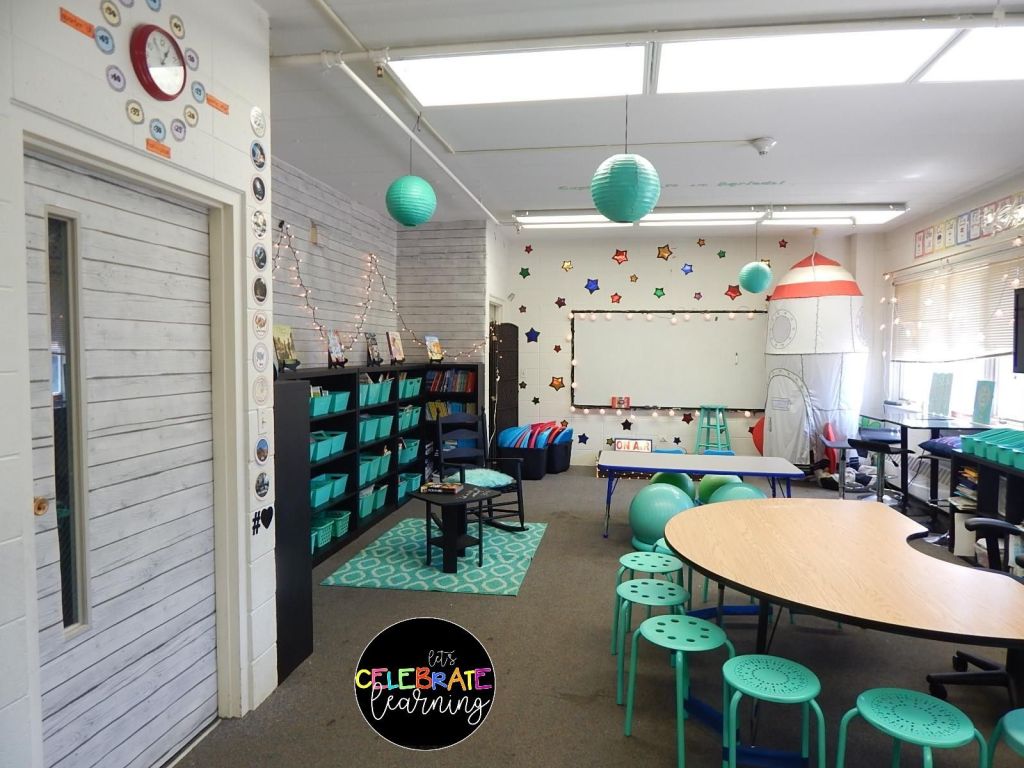
As educators, it’s our job to create a stimulating and engaging environment for our students. One way to achieve this is by designing a brain-friendly classroom. A brain-friendly classroom is designed with the understanding of how the human brain learns and processes information.
Here are some tips on how to design a brain-friendly classroom:
1. Natural Lighting: The lighting in your classroom plays an essential role in creating an effective learning environment. Exposure to natural light has been shown to improve mood, increase productivity, and even boost academic performance.
2. Temperature Control: Research suggests that maintaining a comfortable temperature between 68-72 degrees Fahrenheit promotes optimal cognitive function.
3. Flexible Seating: Traditional seating arrangements can be limiting for students who need more movement or prefer alternative positions for learning. Introducing flexible seating options such as beanbags, standing desks, or exercise balls can help students focus better on their work.
4. Colorful Decorations: Adding bright colors into the classroom can stimulate creativity and motivation amongst students while making their experience more enjoyable.
5. Technology Integration: Incorporating technology into your teaching methods is crucial in today’s digital age as it helps keep students engaged and motivated towards learning new things.
6 .Nature-Inspired Design Elements : Nature-inspired elements such as plants and greenery have been known to have positive effects on student behavior and academic achievement levels.
7 .Adequate Space & Storage : A well-designed space will allow all students equal access to resources without feeling cramped or overwhelmed when working collaboratively with one another
8 .Sensory Learning Opportunities : Providing various sensory experiences through interactive activities like puzzles, games etc., help engage different learners’ modalities (visual/auditory/kinesthetic).
In conclusion, designing a brain-friendly classroom requires attention to detail but is worth every effort you put in creating an ideal environment that promotes growth and development amongst your students while also providing them with opportunities for success inside/outside classrooms.
 Alternative Amie
Leave a comment