Co-teaching Model: A Statistics-based Style Post
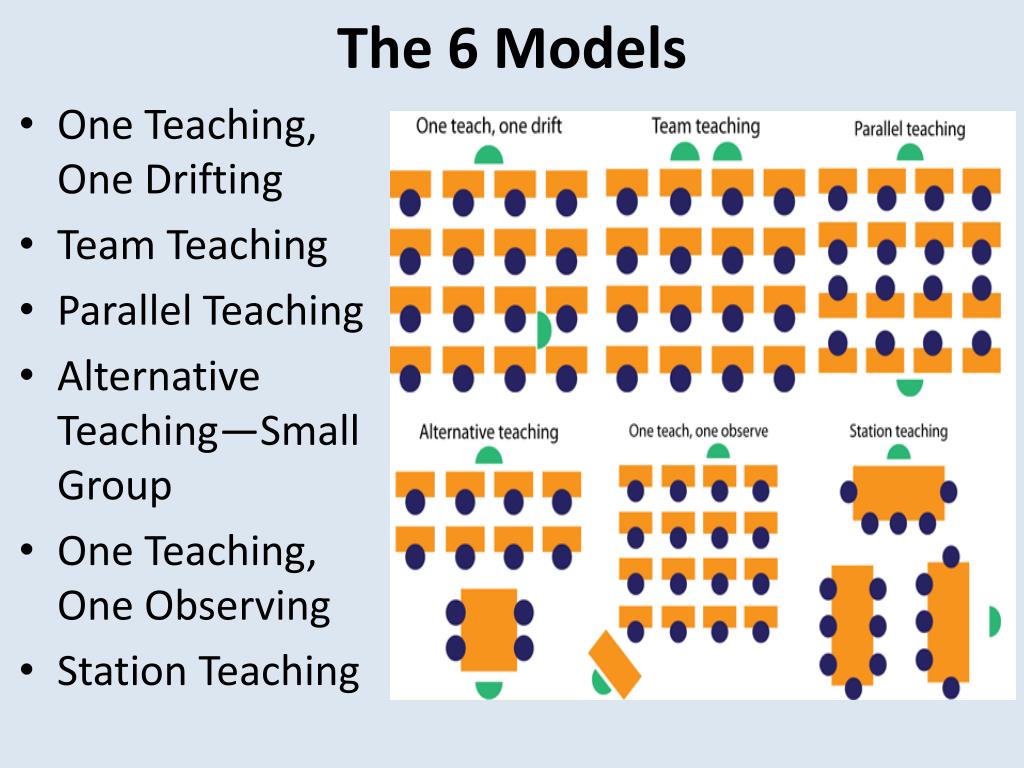
Alternative schooling and education have been gaining popularity over the years, especially for students with special needs. One approach that has proved successful is the co-teaching model. Co-teaching involves two teachers working together to deliver instruction to a heterogeneous group of students in a shared classroom.
Studies have shown that co-teaching can be an effective strategy for improving academic outcomes for all students, including those with disabilities. According to the National Education Association (NEA), research indicates that co-taught classrooms result in higher student achievement and better behavior when compared to traditional single-teacher classrooms.
When it comes to specific subjects, such as math and reading, co-taught classes outperform single-teacher classes by 10% on average. This can be attributed to the fact that co-teachers bring unique skills and perspectives into the classroom, allowing them to differentiate instruction more effectively than one teacher alone.
Moreover, co-teaching can benefit both general education teachers and special education teachers by providing opportunities for collaboration and professional development. According to a survey conducted by the Council for Exceptional Children (CEC), 80% of teachers reported greater satisfaction with their jobs after implementing a co-teaching model.
In conclusion, there are numerous benefits associated with implementing a co-teaching model in alternative schooling settings. These benefits include improved academic outcomes, increased teacher satisfaction, and enhanced collaboration between general education teachers and special education teachers.
 Alternative Amie
Leave a comment