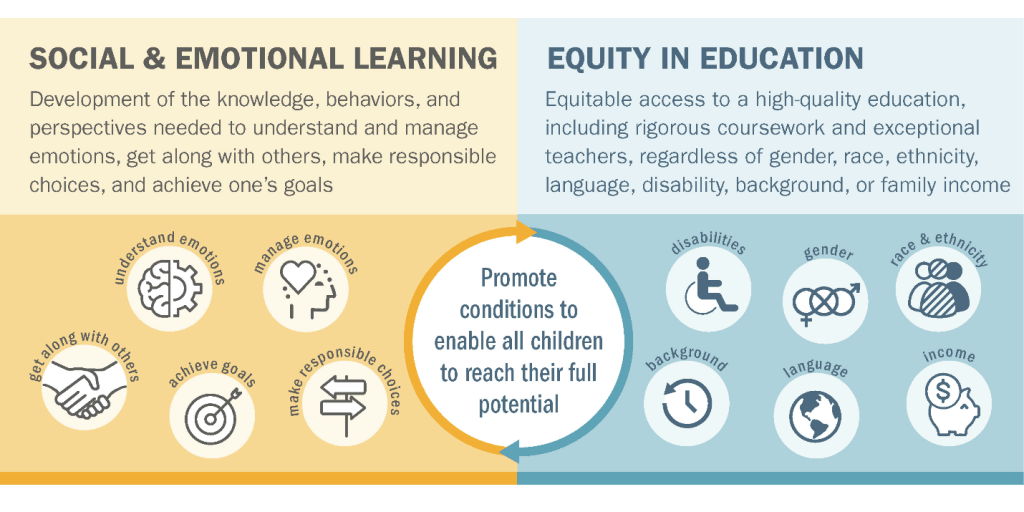
Project-based learning is a powerful method of education that allows students to gain knowledge and skills through hands-on experiences. It can also be a tool for social justice and equity when implemented effectively.
One key aspect of project-based learning is choice. Students are given the freedom to choose their projects, which allows them to pursue topics that interest them or relate to their personal experiences. This approach can help address issues of equity by ensuring that all students have access to meaningful learning opportunities that reflect their identities and backgrounds.
Another important element is collaboration. Project-based learning often involves working in groups, which provides opportunities for students to learn from one another and build empathy across differences in race, class, gender, and other factors. Teachers can facilitate this process by intentionally designing group work activities that promote inclusion and respect.
Finally, project-based learning can be used as a vehicle for social justice education. By choosing projects that focus on issues such as racism, poverty, or environmental sustainability, students can develop critical thinking skills while exploring real-world problems and potential solutions. Teachers can guide these discussions by helping students connect their projects to larger societal issues and encouraging them to take action through advocacy or community service.
Overall, project-based learning has the potential to promote social justice and equity in education when it is implemented with intentionality. By providing choice, promoting collaboration across differences, and focusing on topics of social significance, teachers can help ensure that all students have access to high-quality educational experiences regardless of background or identity.
 Alternative Amie
Leave a comment