Mindfulness Practices for Learners and Educators
The concept of mindfulness is gaining popularity in various fields, including education. Mindfulness involves being present and fully engaged in the current moment without judgment or distraction. It can help learners and educators improve focus, reduce stress levels, increase empathy, enhance creativity, and boost overall well-being. In this post, we will explore some mindfulness practices that learners and educators can incorporate into their daily lives.
Breathing Techniques
Breathing exercises are fundamental to many mindfulness practices as they help individuals bring attention to their breath. By focusing on breathing techniques such as deep belly breathing or box breathing (inhale for four seconds-hold for four seconds-exhale for four seconds), learners and educators can calm the mind and body while reducing stress levels.
Body Scan Meditation
Body scan meditation entails paying close attention to each part of the body starting from toes moving up towards the head while noticing any sensations or feelings without judgment. This practice helps individuals become more aware of their bodily sensations while promoting relaxation.
Yoga
Yoga is a physical practice that incorporates specific poses (asanas) with intentional breathing techniques. Practicing yoga can be an effective way to relieve stress by improving flexibility, strength, balance, coordination alongside mental clarity.
Meditation
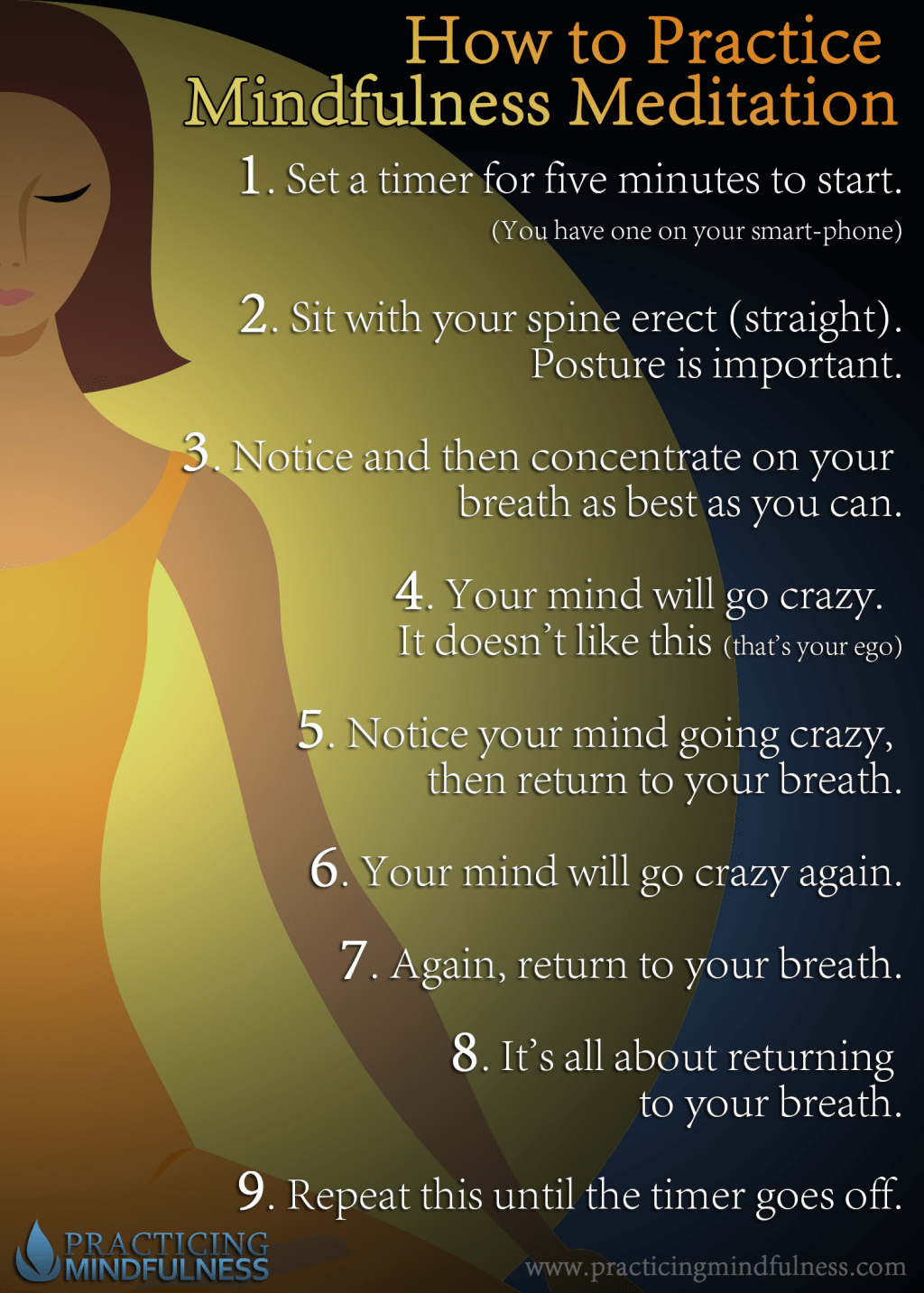
Meditation involves sitting quietly while focusing on a particular object such as breath or sound in order to clear one’s mind from distractions allowing us to focus our thoughts further into our consciousness – leading ultimately towards inner peace & awareness.
Gratitude Journaling
Gratitude journaling involves taking time each day to reflect on three things you’re grateful for at that moment. Practicing gratitude regularly has been shown to improve psychological well-being by encouraging positive thinking patterns & helping people appreciate what they have rather than what they don’t have.
Walking Meditation
Walking meditation refers to practicing mindfulness when walking- being mindful of every step taken- how your feet touch down on the ground, feeling the breeze on your face, and listening to sounds of nature. By practicing walking meditation regularly, individuals can improve focus and reduce stress levels while enjoying the outdoors.
Mindful Eating
Mindful eating involves paying close attention to every aspect of the food we consume- from its appearance & texture to taste & smell. This practice encourages individuals to appreciate their meals fully, which can lead to improved digestion while reducing overeating habits.
Guided Imagery
Guided imagery is a mindfulness technique that entails visualizing calming images or scenarios such as being in a peaceful place like nature during stressful moments. This practice helps learners and educators manage anxiety by creating a safe space for reflection and relaxation.
Progressive Muscle Relaxation
Progressive muscle relaxation (PMR) is a mindfulness technique that requires tensing then relaxing one muscle group at a time throughout the body starting with toes moving towards head systematically. Practicing PMR regularly helps in relieving tension within muscles making them less prone to injury alongside improving sleep quality.
Conclusion
In summary, incorporating mindfulness practices into daily routines has numerous benefits for both learners and educators alike. From breathing techniques, body scan meditation & yoga sessions – all help alleviate stress levels while promoting mental clarity; gratitude journaling encourages positive thinking patterns; walking meditations allow us time outside where we find peace amidst chaos; mindful eating improves digestion plus reduces overeating habits – helping maintain overall health goals! Guided imagery & progressive muscle relaxation provide effective tools for managing anxiety by creating safe spaces for reflection and relaxation, so incorporating these practices into your day-to-day life may seem challenging initially but eventually becomes easier as it leads towards better well-being!
 Alternative Amie
Leave a comment