Early college programs have become increasingly popular over the years as a way for high school students to earn college credits while still in high school. These programs offer students the opportunity to complete some of their general education requirements before they graduate from high school, which can reduce the total amount of time and money spent on obtaining a degree.
However, admission requirements for early college programs vary depending on the institution offering them. Some schools require that students have a certain grade point average (GPA) or test scores, while others may consider other factors such as extracurricular activities or personal statements.
One key consideration is that early college programs are often offered through partnerships between high schools and colleges or universities. This means that students must meet both the requirements of their high school and those of the partnering institution.
To be eligible for an early college program, most institutions require that students be enrolled in an accredited public or private high school and have completed at least one year of coursework. Students also typically need to demonstrate strong academic performance by maintaining a minimum GPA, usually around 3.0 or higher.
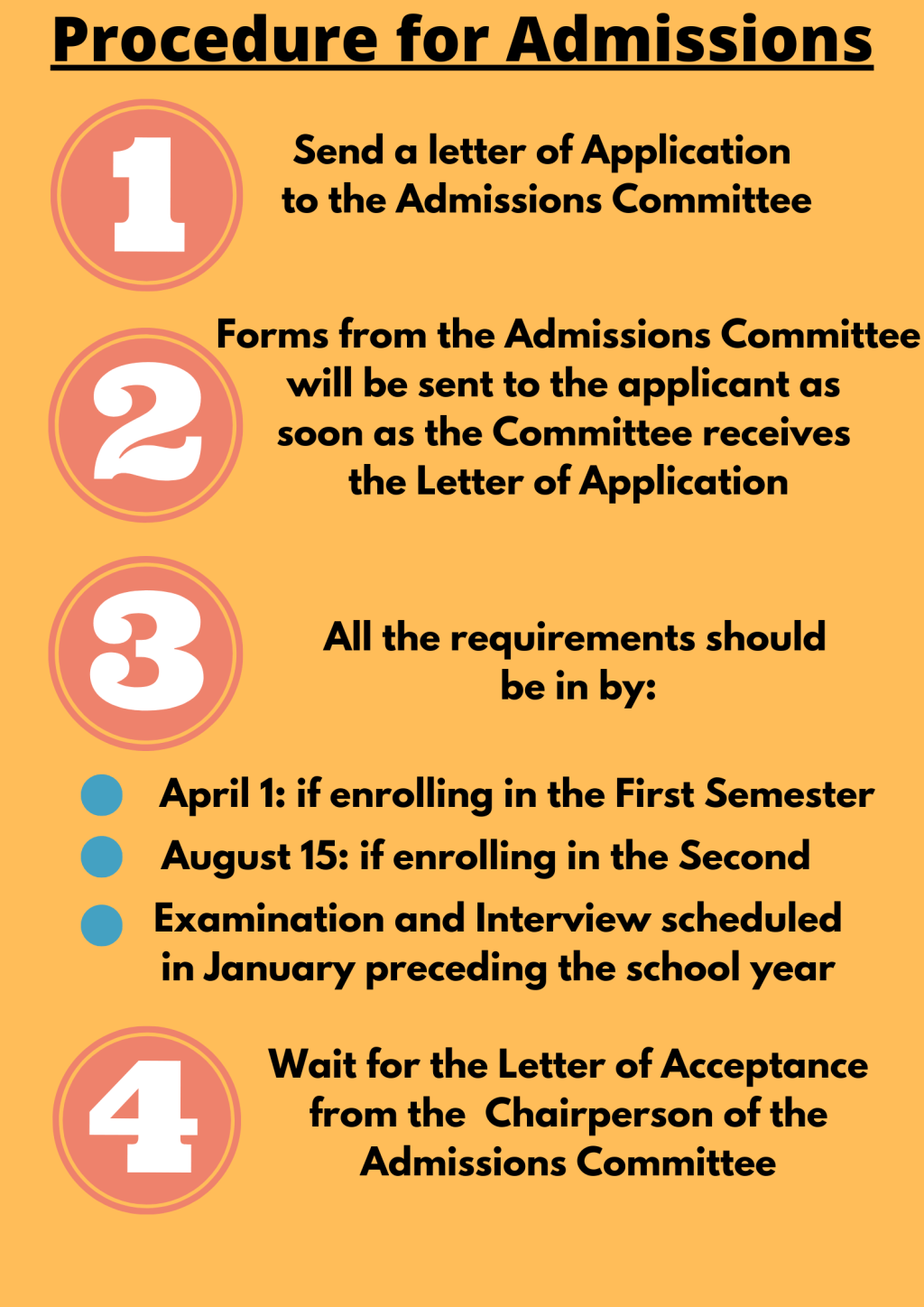
In addition to academic qualifications, many early college programs also require applicants to participate in an interview process with representatives from both their high school and the partnering institution. This allows admissions committees to evaluate prospective students based on more than just grades or test scores.
Another important factor in admissions decisions is how well-prepared students are for college-level coursework. Many early college programs will assess applicants’ readiness by requiring them to take placement exams like the ACT or SAT.
Some institutions also offer summer bridge programs designed specifically for incoming freshman who will be enrolled in an early college program. These programs provide additional support and resources to help ease the transition into higher education.
It’s worth noting that admission requirements may differ depending on whether a student is applying for dual enrollment (where they take courses at both their high school and partnering institution simultaneously) versus concurrent enrollment (where they only take courses at the partnering institution).
In conclusion, early college programs can be an excellent way for high school students to get a head start on their higher education journey. However, it’s important to carefully research and understand the admission requirements of each program before applying. By doing so, students can ensure they are fully prepared and qualified to take advantage of these valuable opportunities.
 Alternative Amie
Leave a comment