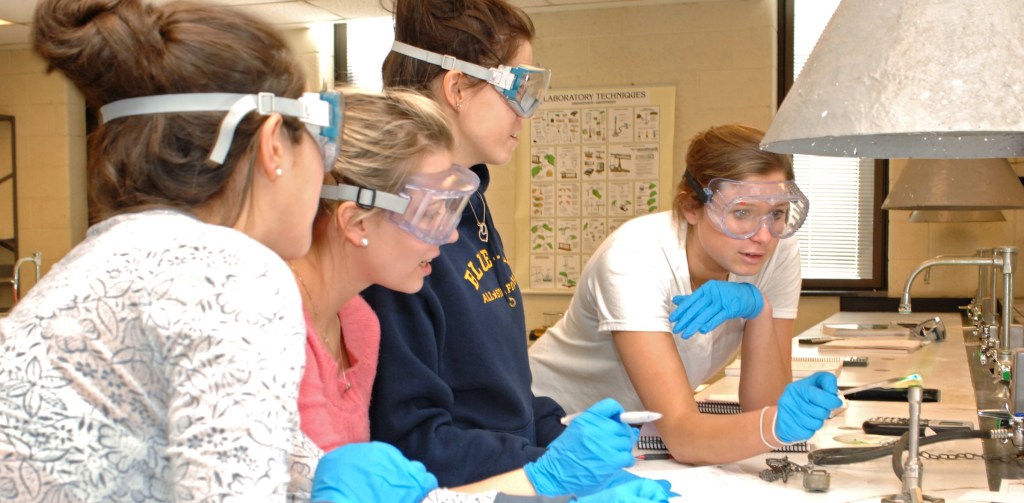
Experiential science education is a powerful tool for students to not only learn about scientific concepts, but also to develop critical thinking skills and an appreciation for the natural world. This approach to science education emphasizes hands-on learning experiences that allow students to actively engage with the material in meaningful ways.
One of the key benefits of experiential science education is that it helps students develop a deeper understanding of scientific concepts by allowing them to see these ideas in action. Rather than simply reading about theories or memorizing facts from a textbook, students are able to apply their knowledge in real-world situations, which can make the material more relevant and interesting.
For example, instead of just learning about photosynthesis from a book or lecture, students might plant seeds and observe how they grow over time under different conditions. By seeing firsthand how plants use sunlight and carbon dioxide to produce energy, students can better understand the process of photosynthesis and its importance in our ecosystem.
Another benefit of experiential science education is that it encourages curiosity and creativity. When students have opportunities to explore scientific concepts through hands-on activities, they are more likely to ask questions and come up with new ideas on their own. This can lead to breakthroughs in understanding and discovery that may not have been possible through traditional teaching methods.
In addition, experiential science education can help prepare students for future careers in STEM fields (science, technology, engineering, and math). These fields require individuals who are able to think critically, problem-solve effectively, collaborate with others on complex projects or experiments; all skills that are developed through experiential learning. By providing opportunities for hands-on exploration early on in their educational journey; this style could spark interest among young learners towards pursuing higher studies related t this field .
Of course there are some challenges associated with implementing experiential science education as well – such as cost limitations from ensuring safety measures while conducting experiments . However , innovative teachers have found ways to overcome these issues by partnering with community organizations, utilizing local resources or bringing in guest speakers.
In conclusion, experiential science education is an effective way for students to learn about scientific concepts, develop critical thinking skills and a curiosity for the natural world. By providing opportunities for hands-on exploration of scientific topics through activities such as experiments, field trips and project-based learning experiences; educators can help students better understand and appreciate the importance of science in their daily lives and beyond.
 Alternative Amie
Leave a comment