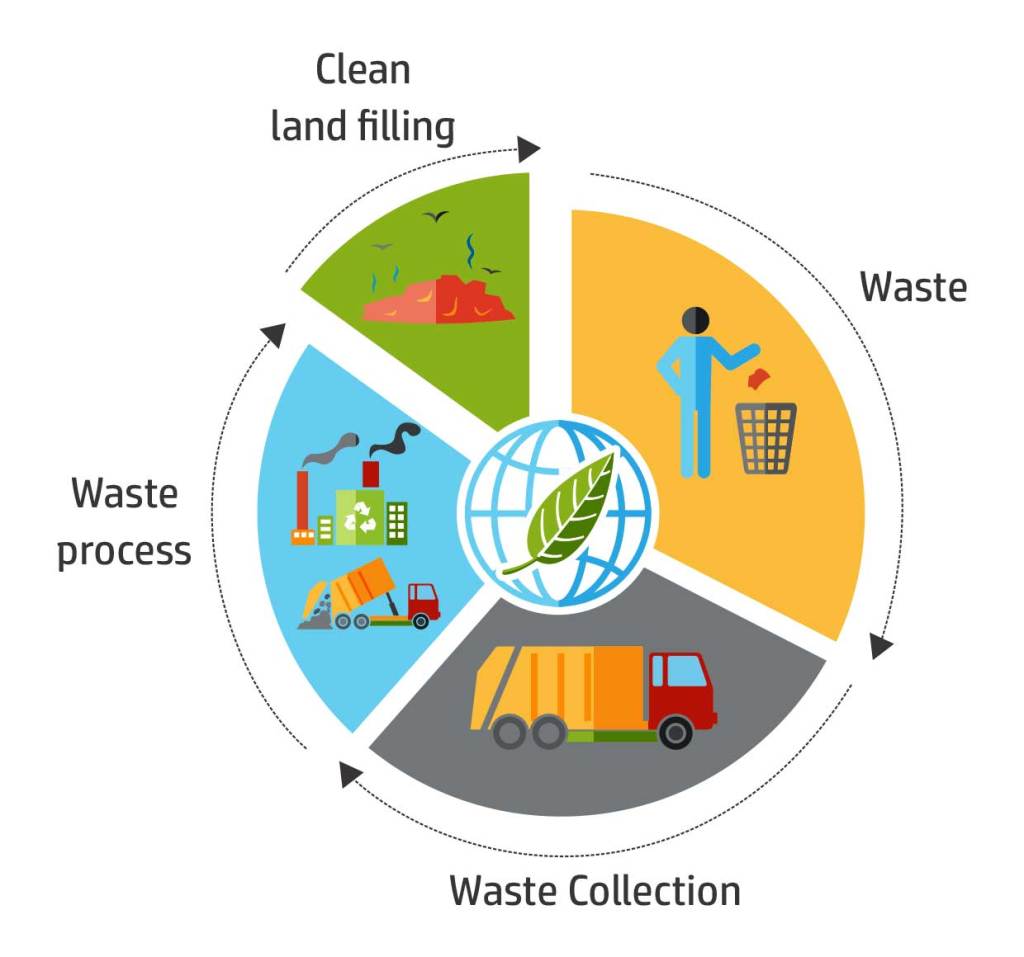
Waste management is one of the most pressing issues that we face today. Our growing population and changing consumption patterns have led to an increase in waste generation, which has led to serious environmental problems such as pollution and climate change. However, there are solutions available that can help us manage our waste more effectively and sustainably.
In this article, we will explore eight waste management solutions that can make a difference.
1. Reduce: The first step in effective waste management is reducing the amount of waste we generate. This can be done by avoiding unnecessary packaging, using refillable containers, buying products with less packaging, and choosing durable products over disposable ones.
2. Reuse: Another way to reduce waste is by reusing items instead of throwing them away after one use. For example, you can reuse glass jars for storing food or repurpose old clothes into cleaning rags.
3. Recycle: Recycling is a key part of sustainable waste management because it reduces the amount of waste sent to landfills or incinerators while conserving natural resources. Many materials such as paper, plastic, metal cans and glass bottles can be recycled.
4. Composting: Composting is a natural process where organic matter like food scraps and yard trimmings are broken down into nutrient-rich soil that can be used for gardening or farming purposes.
5. Biodegradable Products: Choosing biodegradable products over non-biodegradable ones helps reduce the amount of time needed for decomposition hence reducing environmental pollution
6. Waste-to-Energy Conversion: Some types of wastes such as biomass (organic) wastes when burned produce energy which could be harnessed either through incineration or gasification
7 Landfill Gas Recovery: As landfill wastes decompose they release methane gases which contribute significantly towards global warming if released into the atmosphere unchecked; however these gases could also be harnessed through landfills gas recovery systems to produce electricity
8.Electronic Waste Management: Electronic waste otherwise known as e-waste is a growing problem due to the fact that most electronic devices contain hazardous materials such as lead and mercury. It can be managed by either recycling them or donating for reuse if they still work properly.
In conclusion, effective waste management solutions require a combination of responsible consumption habits, reduction in wastage through reusing and recycling, utilizing biodegradable products and implementing sustainable technologies to manage wastes. By adopting these practices, we can reduce our impact on the environment while also conserving natural resources.
 Alternative Amie
Leave a comment