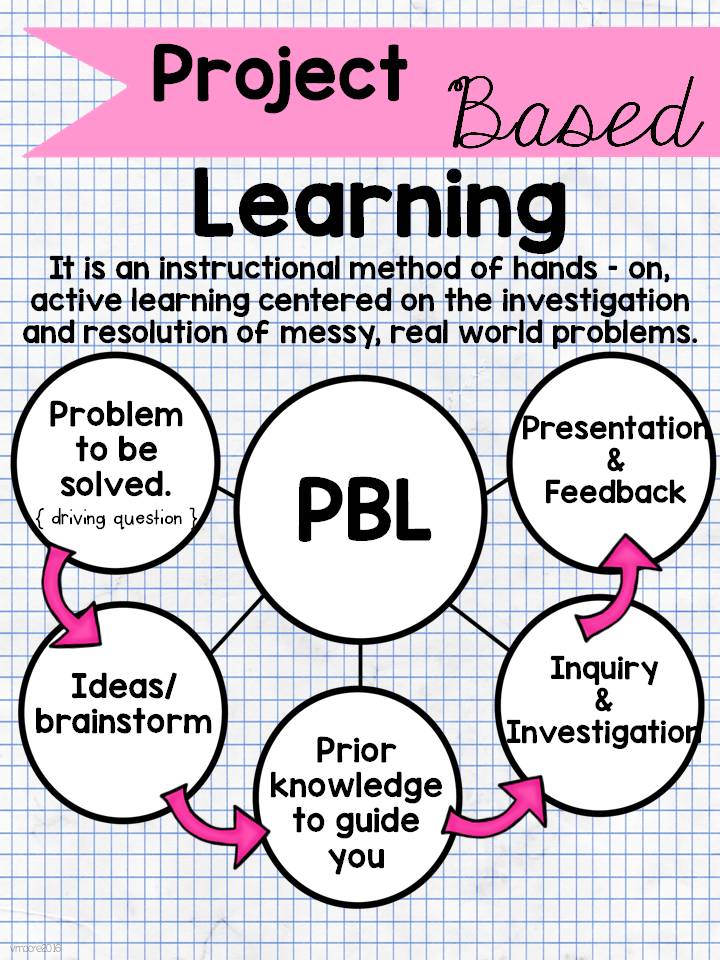
Project-Based Learning: A Comprehensive Guide
Project-based learning is a teaching method that emphasizes student-led projects and activities aimed at developing critical thinking, problem-solving, collaboration, and communication skills. In recent years, project-based learning has gained traction as an effective alternative to traditional classroom instruction.
In this guide, we will explore the key principles of project-based learning and how it can benefit students in various contexts. We will also provide practical tips for teachers who want to incorporate project-based learning into their curriculum.
Principles of Project-Based Learning
1. Student-Centered Approach
One of the core principles of project-based learning is that students take ownership of their own learning. Rather than being passive recipients of information from teachers or textbooks, students are encouraged to be active participants in the process by identifying problems or questions they want to investigate and designing solutions through research, experimentation, and reflection.
2. Real-World Relevance
Another key principle is that projects should have real-world relevance to students’ lives and interests. By connecting classroom content to authentic situations and contexts, students are more motivated to engage with the material and apply their knowledge in meaningful ways.
3. Interdisciplinary Integration
Project-based learning often involves integrating multiple academic disciplines into a single project or activity. This not only helps students make connections between different subject areas but also mirrors the complexity of real-world challenges that require a multifaceted approach.
4. Collaboration & Communication
Working collaboratively with peers is another important aspect of project-based learning. Students learn how to work effectively in groups by communicating ideas clearly, resolving conflicts constructively, delegating tasks based on strengths and interests, and holding each other accountable for meeting deadlines.
5. Authentic Assessment
Finally, assessment methods used in project-based learning should be designed to reflect authentic outcomes rather than just testing rote memorization or recall skills. Teachers can use rubrics or portfolios that reflect higher-order thinking skills such as analysis, synthesis, and evaluation to measure student learning.
Benefits of Project-Based Learning
1. Increased Engagement & Motivation
Project-based learning can be highly engaging for students because it taps into their natural curiosity and desire to learn about topics that interest them. By connecting classroom content to real-world scenarios and experiences, students are more motivated to explore the material in-depth and apply it creatively.
2. Improved Critical Thinking & Problem-Solving Skills
Through project-based learning activities, students develop critical thinking skills by analyzing complex problems, generating creative solutions, evaluating evidence, and communicating their ideas effectively. These skills are transferable across multiple contexts and prepare students for success in college or career settings.
3. Enhanced Collaboration & Communication Skills
Working collaboratively with peers is a key component of project-based learning that helps students develop interpersonal skills such as communication, teamwork, leadership, and conflict resolution. These skills are essential for success in any professional setting where collaboration is required.
4. Deeper Understanding of Content Knowledge
By engaging with content through projects rather than just lectures or readings alone, students gain a deeper understanding of the material they’re studying because they see how concepts relate to real-world situations and experiences.
5. Greater Sense of Agency & Autonomy
Project-based learning gives students more agency over their own learning process by allowing them to choose topics they’re interested in exploring while also providing opportunities for self-directed inquiry and reflection.
Tips for Incorporating Project-Based Learning into Your Curriculum
1. Start Small & Build Momentum Over Time
If you’re new to project-based learning or don’t have much experience with it yet, start small by incorporating one or two projects into your curriculum each semester or year. As you become more comfortable with the approach, gradually increase the number or complexity of projects you assign.
2. Choose Relevant Topics That Connect Classroom Content To Real-World Situations
Selecting topics that are relevant to your students’ lives can help create buy-in and engagement from the beginning. Consider asking students what issues or challenges they’re interested in exploring and designing projects around those topics.
3. Design Clear Learning Objectives & Assessments
Before starting a project, be clear about what you want students to learn and how you will assess their progress. Develop rubrics or other assessment tools that align with your learning objectives, so you can accurately measure student growth throughout the project.
4. Provide Adequate Time & Resources
Project-based learning requires more time and resources than traditional lectures or assignments because it involves research, group work, and presentation of findings. Make sure to provide enough class time for students to collaborate on their projects and access to necessary materials or technology.
5. Encourage Student Reflection & Feedback
At the end of each project, encourage students to reflect on what they learned, what went well, and what could be improved upon for future projects. Consider incorporating peer feedback as part of the assessment process so that students can learn from one another’s strengths and weaknesses.
Conclusion
Project-based learning is an effective teaching method that emphasizes student-led projects aimed at developing critical thinking skills, problem-solving abilities, collaboration skills while also improving communication abilities amongst peers through authentic assessments that reflect real-world scenarios rather than just testing rote memorization skills by providing adequate resources for deep understanding of content knowledge which gives a greater sense of agency over own learning process leading towards success in college or career settings.
By following these key principles of project-based learning along with practical tips for teachers who want to incorporate this approach into their curriculum effectively can help all types of learners achieve better academic outcomes across multiple contexts whilst engaging them in interesting activities aligned with their interests thereby providing them relevant knowledge grounded in real-world experiences leading towards lifelong success not only academically but also professionally!
 Alternative Amie
Leave a comment