Mastery-Based Grading and Assessment: A Comprehensive Guide
Education is the foundation of a successful society, but traditional grading systems often fail to measure true academic achievement. Mastery-based grading and assessment provide an alternative approach that emphasizes students’ learning progress and mastery of skills rather than their performance on quizzes or tests.
What Is Mastery-Based Grading And Assessment?
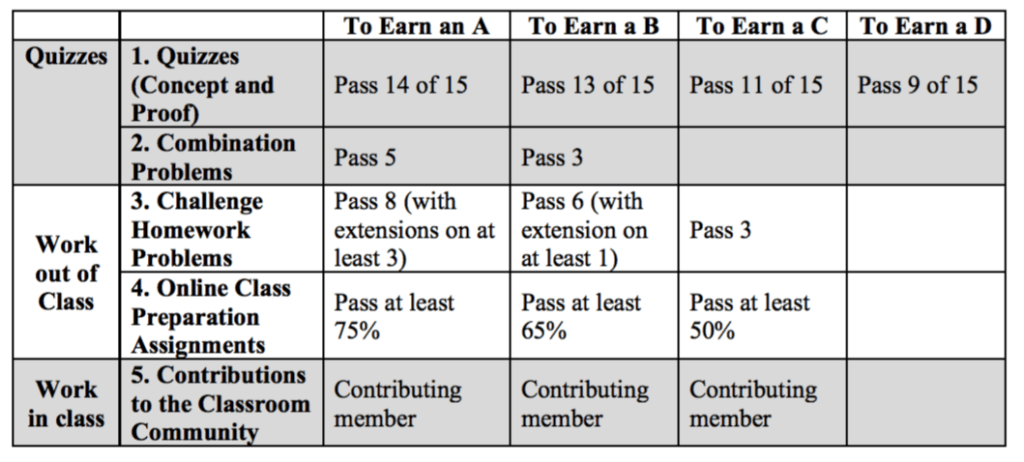
Mastery-based grading and assessment are instructional strategies that enable educators to measure student’s knowledge, understanding, and skills based on their ability to demonstrate mastery of specific concepts or competencies. The focus is shifted from grades given for completing assignments quickly to demonstrating deep understanding of the material presented.
In this system, students must meet specific learning objectives before moving on to subsequent topics. Students who do not meet the required standard will receive additional instruction until they master the content.
Why Choose Mastery-Based Grading And Assessment?
Traditional education models emphasize high-stakes testing in which students take exams at designated times throughout the year. However, these tests fail to capture important aspects such as critical thinking skills, creativity, problem-solving abilities and collaboration which are integral components of life-long success.
On the other hand, mastery-based grading offers numerous advantages over traditional methods:
1. Focuses On Learning Progress Rather Than Test Scores
Under mastery-based grading systems, teachers evaluate how well students understand concepts over time instead of focusing solely on test scores. This approach allows teachers to identify areas where a student may be struggling while providing opportunities for them to improve through targeted feedback mechanisms.
2. Encourages Continuous Improvement
The goal is not just about achieving a certain grade point average (GPA), but also continuous improvement in skills acquisition through consistent practice until all necessary competencies have been mastered.
3. Promotes Self-Reflection And Accountability
Students are encouraged to track their own progress towards mastering essential concepts by setting personal goals for themselves regularly with input from teachers or mentors along with regular self-reflection exercises that help them to identify areas of weakness and work on improving them.
4. Customization Of Learning Experience
Mastery-based grading is personalized, allowing students to learn at their own pace and in their preferred style. This approach ensures that every student’s learning experience matches their unique needs without limiting them due to external factors like schedules or time constraints.
Principles Of Mastery-Based Grading And Assessment
Mastery-based grading aligns with the following principles:
1. Clear Expectations
In mastery-based assessment, students must have a clear understanding of what they are expected to learn along with specific criteria for success defined by the teacher or curriculum materials so that they can track progress and focus on improvement areas.
2. Demonstrable Competency
To demonstrate competency, students need opportunities to apply concepts learned in real-world scenarios, project-based assessments and other activities rather than just being tested on memorized information during high-stakes exams.
3. Continuous Improvement And Feedback Mechanisms
Continuous feedback mechanisms help students reflect on how well they understand concepts taught over time while providing teachers an objective view into where improvements may be needed through targeted interventions such as one-on-one tutoring sessions or extended practice exercises.
4. Personalized Learning Paths
Personalized instruction ensures that each student receives individual attention tailored towards their unique needs enabling them to acquire new skills at a pace suitable for them without sacrificing quality or integrity.
How To Implement Mastery-Based Grading In Your Classroom?
Implementing mastery-based grading requires some preparation and planning before rolling out in your classroom:
1. Identify Essential Learning Objectives: Teachers should identify essential learning objectives aligned with course content ensuring all competencies are covered within a given period.
2. Design Assessments: Create assessments aligned with identified objectives which measure mastery of those objectives through various methods such as written tests, hands-on projects or presentations depending upon the learning goals set initially.
3. Provide Timely Feedback: Offer timely feedback throughout the year instead of waiting for report cards or end-of-term exams to provide students with meaningful insights into how well they are progressing towards mastery of course content.
4. Encourage Self-Reflection: Encourage self-reflection and goal-setting exercises designed to help students identify areas in which they need improvement, giving them ownership over their learning experience.
5. Evaluate Regularly: Regular evaluation ensures students stay on track as they work towards mastery, identifying those who may be struggling or falling behind so that timely interventions can be initiated.
Challenges And Criticisms Of Mastery-Based Grading
Mastery-based grading is not without its criticisms and challenges:
1. Resource Constraints
Implementing a mastery-based approach requires significant resources such as time, personnel, technology support along with funding for training programs necessary for teachers to become proficient utilizing this method effectively.
2. Time Intensive
Mastery-based grading may require longer periods before student progression is evident compared to traditional methods due to the focus being on deep understanding rather than rote memorization.
3. External Pressures And Resistance To Change
Resistance from stakeholders like parents, administration and policymakers could make it difficult for school districts implementing a new approach that deviates from traditional methods.
In Conclusion
While there are challenges associated with implementing mastery-based grading and assessment systems in schools today, there is also a growing body of research indicating its effectiveness in promoting deeper learning experiences among students while fostering independent thinking skills that will serve them well throughout life.
Newer technologies such as online platforms and Artificial intelligence backed assessment tools offer exciting possibilities in making this approach more accessible while addressing some of the resource constraints present today enabling educators worldwide to implement these techniques effectively at scale transforming education into an equitable force propelling society forward.
 Alternative Amie
Leave a comment