Introduction
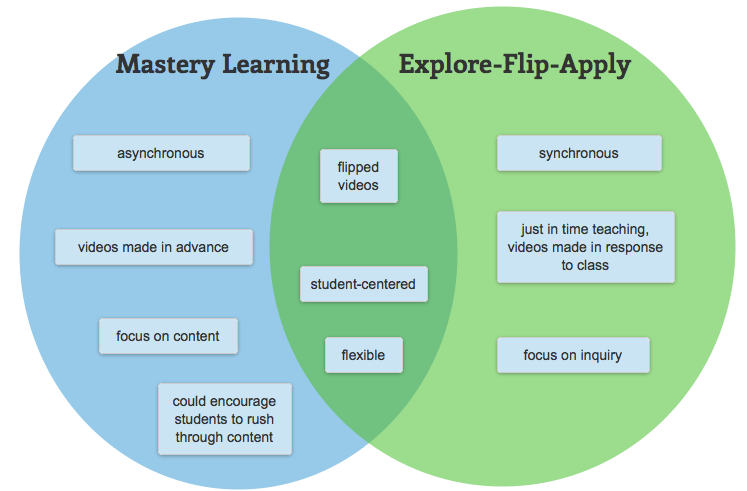
Mastery-based learning is a teaching philosophy that encourages students to learn at their own pace and master skills before progressing to the next level. Unlike traditional classroom settings where students are grouped together based on their age or grade, mastery-based learning focuses on individual progress and growth.
In this Q&A style post, we will explore what mastery-based learning is, its benefits and challenges, how it differs from traditional education models, and how it can be implemented in alternative schooling settings.
Q: What exactly is Mastery-Based Learning?
A: Mastery-based learning is an educational approach that focuses on student acquisition of knowledge and skills rather than the amount of time spent studying or completing assignments. It involves breaking down complex concepts into smaller units that can be mastered by each student at their own pace before moving onto more advanced topics.
The goal of mastery-based learning is for each student to achieve a deep understanding of the subject matter so they can apply it in real-world situations. This approach promotes critical thinking skills, self-motivation, and problem-solving abilities.
Q: How does Mastery-Based Learning differ from Traditional Education Models?
A: Traditional education models often focus on covering large amounts of material within a limited timeframe. Students are required to move through curriculum content at the same pace as their peers regardless of whether they have fully grasped the material or not.
Mastery-based learning takes a different approach by allowing students to advance only when they have demonstrated proficiency in specific skill areas. This means that students who struggle with certain concepts may require extra time before moving forward while others who grasp them quickly may progress faster than their peers.
In addition, traditional education models typically rely heavily on standardized testing which may not accurately reflect each student’s true understanding of the subject matter. In contrast, mastery-based learning emphasizes authentic assessments such as projects or demonstrations which allow students to showcase their knowledge in practical ways.
Q: What are some Benefits of Mastery-Based Learning?
A: Mastery-based learning offers several benefits to students, including:
1. Personalized Learning: Each student has the opportunity to learn at their own pace and progress based on their individual abilities.
2. Increased Self-Esteem: Students who achieve mastery of a skill or concept gain confidence in their ability to learn and succeed.
3. Improved Retention: By focusing on deep understanding rather than rote memorization, students are more likely to retain information for longer periods of time.
4. Real-World Application: Authentic assessments allow students to apply what they have learned in practical ways which can prepare them for future careers or challenges.
5. Reduced Stress: Students who work at their own pace may experience less stress than those who feel pressured by arbitrary deadlines or comparisons with peers.
Q: What are some Challenges of Mastery-Based Learning?
A: While there are many potential benefits to mastery-based learning, there are also some challenges that educators should be aware of including:
1. Assessment Design: Creating authentic assessments that accurately reflect student mastery can be challenging and may require additional resources such as rubrics, scoring guides, or technology tools.
2. Student Motivation: Some students may struggle with self-directed learning and require additional support from teachers or mentors to stay motivated throughout the process.
3. Curriculum Design: Breaking down complex concepts into smaller units can be a time-consuming process that requires careful planning and attention to detail by educators.
4. Time Management: Allowing students to work at their own pace requires flexibility in scheduling which may not always align with traditional school structures such as bell schedules or class periods.
5. Equity Issues: Mastery-based learning relies heavily on access to technology tools and resources which may create inequities among different populations of learners if not carefully addressed.
Q: How can Mastery-Based Learning be Implemented in Alternative Schooling Settings?
A:Mastery-based learning is an ideal fit for alternative schooling settings such as homeschooling programs, online schools, or personalized learning environments. These settings are often designed to support individualized instruction and allow for greater flexibility in pacing and curriculum design.
Some key strategies for implementing mastery-based learning in alternative schooling settings include:
1. Flexible Scheduling: Alternative schooling programs can offer students more flexible schedules that allow them to work at their own pace and progress through curriculum content based on their individual needs.
2. Authentic Assessment: Alternative schooling programs can use a variety of authentic assessments such as projects, portfolios, or simulations that allow students to demonstrate mastery of skills rather than relying solely on traditional tests.
3. Student Choice: Students may be more motivated to learn when they have some control over the topics or methods used to acquire knowledge. Alternative schooling programs can offer opportunities for student choice within a structured framework.
4. Technology Integration: Mastery-based learning relies heavily on technology tools such as adaptive software or online resources that provide immediate feedback and support for learners. Alternative schooling programs can leverage these resources to enhance student engagement and achievement.
5. Mentorship Support: Some students may require additional support from mentors or teachers who can provide guidance, feedback, and motivation throughout the learning process.
Conclusion
Mastery-based learning is an innovative educational approach that emphasizes deep understanding of subject matter over memorization of facts or figures. While it presents some challenges related to assessment design, time management, equity issues, and student motivation, it also offers many potential benefits including personalized learning opportunities, increased self-esteem, improved retention rates, real-world application skills development along with reduced stress levels among others.
Alternative schooling settings are well-suited for implementing mastery-based learning due to their focus on individualized instruction and flexibility in scheduling & curriculum design options along with provision of mentorship & technological integration facilities which make this approach even more effective at achieving its intended goals i.e., helping learners acquire deep understanding of concepts by working at their own pace while demonstrating proficiency before moving ahead!
 Alternative Amie
Leave a comment