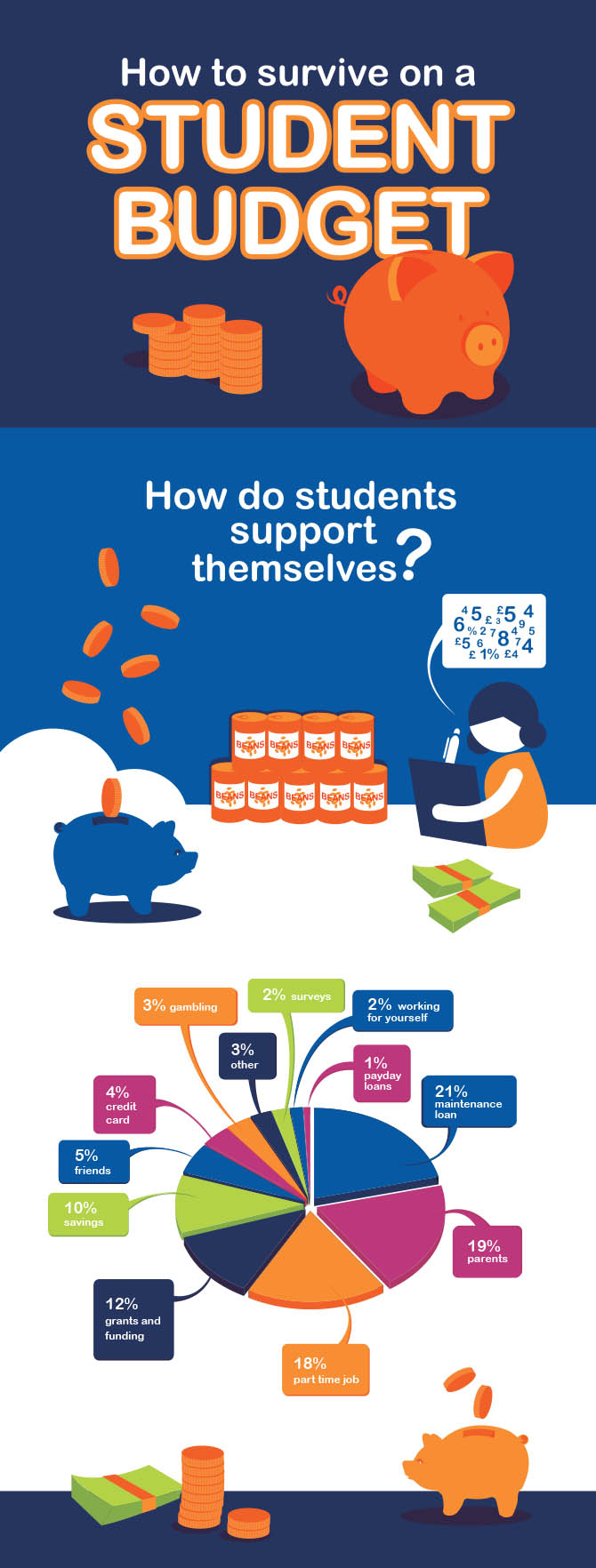
Budgeting: A Timeless Skill for Alternative Schooling and Education
As parents and educators, we all want our children to have the best possible education. We enroll them in schools that provide excellent curriculum, extracurricular activities, and opportunities to develop their talents. However, as important as those things are, there is one skill that often gets overlooked but is crucial for success in life: budgeting.
Budgeting is the process of creating a plan to manage your money. It involves tracking your income and expenses and making sure you don’t spend more than you earn. While it may seem like a mundane task, budgeting is an essential life skill that everyone should learn at an early age.
Why Budgeting Matters
Budgeting can help students understand financial responsibility and develop good money habits from an early age. By learning how to live within their means, they can avoid debt traps and overspending later on in life.
Moreover, budgeting helps students set goals for themselves by prioritizing what’s most important to them financially. For instance, if they want to save up for a car or put money aside for college tuition fees or travel abroad programs during summers or semester breaks while studying abroad at prestigious universities such as Cambridge University or Harvard University – they will need to create a budget plan that prioritizes these goals over other nonessential expenses.
Finally, learning how to manage finances helps students become independent thinkers who take control of their lives by managing their resources wisely. They learn how much it costs to live independently based on the lifestyle choices they make when planning their budget.
How To Teach Budgeting
Teaching children about budget planning doesn’t have to be complicated; it should be fun yet informative enough so that kids understand why this skill matters practically in real-life scenarios outside school walls too!
Firstly parents could introduce younger children with simple concepts such as saving money from allowance received every week/month depending upon age groups allocated versus spending money on toys, books or snacks. They could then encourage them to save up for a more significant purchase they want by setting mini-goals and tracking their progress towards it.
As children grow older and become teenagers, parents can increase the complexity of budgeting lessons. They could teach them how to create a monthly budget that accounts for all expenses including school fees, transportation costs, clothing/shopping expenses, entertainment costs such as movies or concerts with friends etc.,
Parents could also introduce their teenagers to mobile apps like Mint or PocketGuard that make budget planning easier and more accessible by automatically categorizing their income and expenditures using machine learning algorithms. These applications provide visual representations of financial data in graphs/charts/colors making it easier for kids to understand where they are overspending versus saving.
Alternatively, schools can incorporate budget planning into the curriculum either through business classes or finance electives offered during high school years. Teachers could use real-life examples such as managing a household’s grocery bills versus paying rent/mortgage payments every month while working part-time jobs at restaurants/bars/cafes etc.,
Budgeting Tips For Students
Here are some practical tips for students looking to get started with creating a budget plan:
1) Track your expenses: Start keeping track of what you spend each day; even small purchases like coffee add up over time.
2) Set goals: Decide what you want to achieve financially – whether it’s saving up for something special or developing good habits around money management.
3) Prioritize your spending: Make sure you’re spending your money on things that matter most; don’t waste money on unnecessary items when there are other priorities present within the budget plan.
4) Use technology: Utilize mobile apps like Mint or PocketGuard mentioned earlier in this post which helps manage finances effectively without much hassle involved!
5) Revisit Your Budget Plan Frequently To Keep It Up To Date And Relevant- Students may have to adjust their budget plan depending upon changes in income or expenses every few months.
Conclusion
Budgeting is a timeless skill that everyone should learn, regardless of age or background. It helps students understand financial responsibility and develop good money habits from an early age. With the right education and tools, anyone can create a successful budget plan that will help them achieve their financial goals.
As alternative schools focus on developing well-rounded individuals who are capable of leading fulfilling lives beyond the classroom walls – it’s important for educators and parents alike to ensure children have access to practical lessons about managing finances so they too can become independent thinkers capable of taking control over their futures with confidence!
 Alternative Amie
Leave a comment