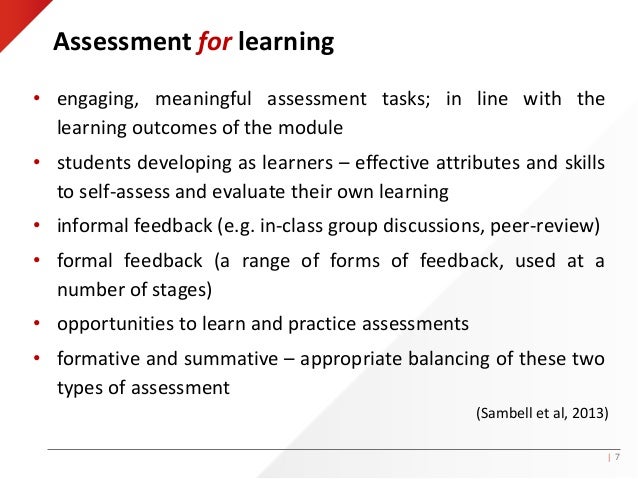
Assessment literacy is the ability to understand and use assessments effectively in education. It involves understanding the purpose of assessments, their role in learning, and how to interpret results. Assessment literacy is essential for teachers, students, parents, and policymakers as it ensures that they have a clear understanding of what assessments measure and how they can be used to improve learning outcomes.
For teachers, assessment literacy means being able to design effective assessments that provide meaningful feedback on student progress. They should also know how to analyze data from these assessments so that they can adjust their teaching strategies accordingly. Teachers who are assessment literate can make informed decisions about what works best for each individual student based on their strengths and weaknesses.
Students who are assessment literate understand why they are being assessed and how the results will be used. They also learn valuable self-assessment skills which enable them to monitor their own progress towards achieving goals. This empowers them with the tools needed to take ownership of their learning journey.
Parents who are assessment literate can support their child’s academic success by using assessment information provided by teachers constructively at home. For example, if a parent knows where a child is struggling or excelling based on an assessment result, they can work with the teacher to develop a plan of action.
Finally, policymakers must be assessment literate in order to ensure that policies promote meaningful educational outcomes rather than just increased test scores or ranking systems alone.
In conclusion, fostering an environment where everyone involved in education has strong assessment literacy skills leads to productive collaboration between all stakeholders–teachers designing better instruction plans for students; students becoming active partners in their own academic growth; parents offering informed guidance; policymakers promoting equitable policies–ultimately resulting in better educational outcomes for all learners involved.
 Alternative Amie
Leave a comment