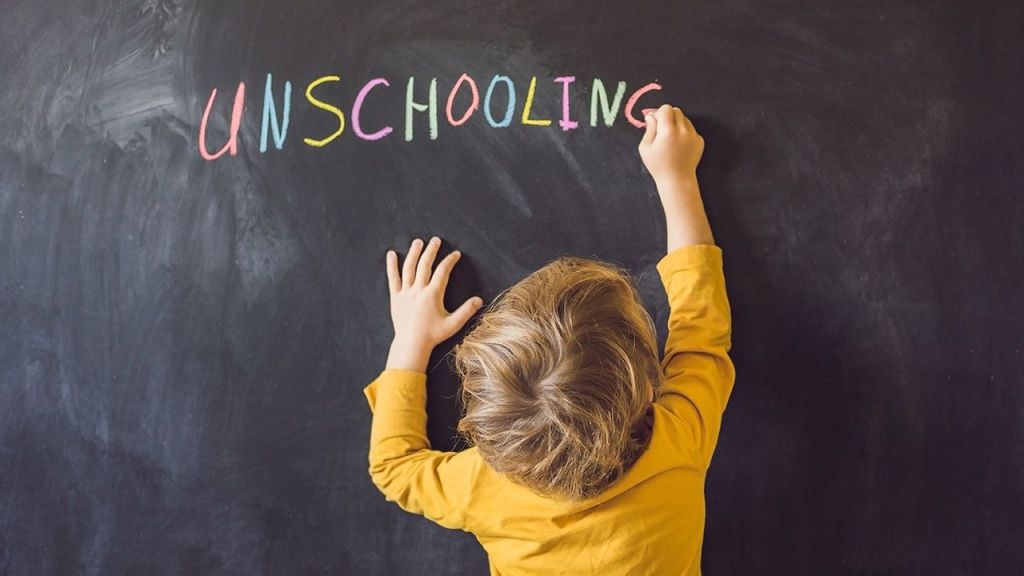
Unschooling: A Different Approach to Education
Education is a vital part of every individual’s life. It provides knowledge, skills, and values that can help them navigate through the different challenges they may encounter throughout their lives. For most people, traditional schooling is the norm; however, there is an alternative approach to education known as unschooling.
Unschooling is a form of homeschooling that emphasizes self-directed learning and hands-on experiences over traditional classroom instruction. In this article, we will explore what unschooling is all about, the benefits and challenges it presents, and whether it could be suitable for your child’s needs.
What Is Unschooling?
Unschooling was first coined by educator John Holt in the 1970s. Holt believed that children should have control over their learning experiences rather than being forced into a structured curriculum within a conventional classroom setting. Instead of following a specific syllabus or lesson plan set by teachers or parents, unschooled children are free to learn at their own pace based on their interests and passions.
This means that instead of receiving formal lectures from teachers or reading textbooks from cover-to-cover, they are encouraged to explore topics on their own terms using various resources such as books, videos, podcasts, websites – whatever sparks their interest! With this approach to learning comes more freedom for students to shape how they want to pursue knowledge.
Benefits of Unschooling
One significant advantage of unschooling is flexibility in scheduling. Children who are homeschooled do not have to follow fixed schedules like those in traditional schools because there isn’t any strict curriculum structure imposed upon them — this allows families more time together while also providing children with ample opportunity for self-discovery.
With no rigid timetable dictating when lessons must occur or how long each subject should take up each day/week/month/year (as typically done by public schools), students can spend time pursuing other interests such as sports activities, music lessons or doing community work.
Another benefit of unschooling is that it allows for more individualized learning. Children have different learning styles and paces, and traditional schooling can often leave some behind while others get ahead. With unschooling, students can learn what they’re interested in at their own pace without having to adhere to a set curriculum or timetable. This approach allows for the development of independent thinking skills as well as creativity and self-motivation.
Unschooling also provides opportunities for students to develop socialization skills outside the classroom setting. Homeschooled children are not limited by age grouping or grade levels; they interact with peers from diverse backgrounds, ages, cultures, and socioeconomic backgrounds.
Challenges of Unschooling
Despite its benefits, unschooling does present challenges that parents need to consider before making this decision for their children’s education.
One significant challenge is that it requires a high level of parental involvement – parents must be committed to supporting their child’s interests and passions consistently. Parents must actively engage in finding resources such as books, videos or podcasts on topics their child wants to explore further.
There is also the concern that unschooled children may lack structure and discipline essential in preparing them for the real world where deadlines exist – which could negatively impact them if they choose higher education later on in life since most colleges require structured coursework completion within a given timeframe.
Lastly, there are questions about how well homeschoolers will fare when seeking employment after graduation since employers tend to prefer candidates who attended traditional schools due largely because these institutions provide standardized grading systems that measure academic performance objectively which helps employers determine how much potential employees know about specific areas of study relative to other candidates applying similarly qualified positions.
Is Unschooling Right For You?
Unschooling offers an alternative approach towards education designed around flexibility and freedom rather than strict rules governing curricula delivery. It emphasizes student-led learning experiences aimed at fulfilling individual interests and passions.
If you’re looking for a more flexible approach to education that allows your child to develop at their own pace while exploring topics that interest them, then unschooling might be the right choice for you. However, it’s essential to understand the challenges that come with this method of homeschooling and weigh its pros and cons before making a final decision.
 Alternative Amie
Leave a comment