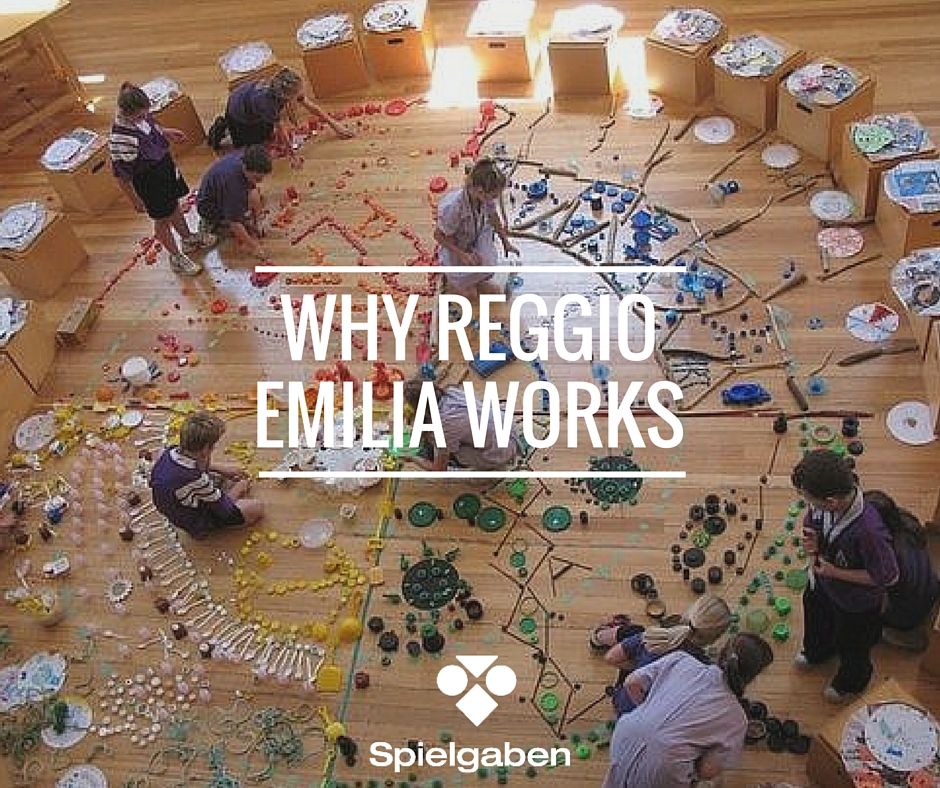
Reggio Emilia is a city located in the northern part of Italy, and it’s home to what has become known as the Reggio Emilia approach to education. This approach is centered on the belief that children are full of potential and should be given every opportunity to learn and grow. Developed after World War II by Loris Malaguzzi, this educational philosophy has gained popularity all over the world because it creates an environment where children can thrive.
The Reggio Emilia approach focuses on child-led learning, which gives students more control over their own education. Teachers act as facilitators rather than lecturers, guiding students through their exploration of subjects that interest them. In this way, children take ownership of their learning experiences and develop critical thinking skills that will serve them well throughout life.
One unique aspect of the Reggio Emilia approach is its emphasis on collaboration between students, teachers, parents, and even community members. This collaborative effort fosters a sense of community within schools while also providing opportunities for real-world learning experiences. Children are encouraged to see themselves as part of a larger society with responsibilities beyond just their individual needs.
Another key feature of this educational philosophy is its use of visual arts as a tool for teaching and learning. Artistic expression is seen as an integral component in understanding how children perceive the world around them. By integrating art into everyday lessons or activities, educators can help children explore complex ideas in new ways while building creativity and imagination.
Reggio Emilia classrooms are typically designed with open spaces that encourage exploration and creative play. Children have access to various materials such as blocks, clay or paint so they can express themselves creatively while exploring other subjects like math or science at the same time.
In addition to emphasizing play-based learning methods such as free playtime or experiential trips outside school grounds; schools using this method also incorporate technology into their curriculum without letting it overshadow traditional forms of instruction.
Parents who choose a Reggio Emilia education for their children can expect to see significant benefits. Children who attend these schools tend to be more curious, independent, self-confident and have better communication skills compared to those in traditional teaching methods. The approach also fosters critical thinking and problem-solving skills that will serve students well throughout their lives.
While the Reggio Emilia approach is not without its challenges, it has proven successful for many students all over the world. Its focus on child-led learning, collaboration between teachers and parents, artistic expression as a tool for learning, play-based instruction, incorporation of technology into curriculum while maintaining traditional forms of instruction make this educational philosophy an appealing option for families looking for alternative approaches to schooling.
In conclusion, the Reggio Emilia approach is an innovative way of educating children that emphasizes play-based learning methods while integrating visual arts into everyday lessons or activities. It’s characterized by open spaces that encourage exploration and creativity with access to various materials such as blocks or paint so they can express themselves creatively while exploring other subjects like math or science at the same time. This method fosters critical thinking and problem-solving skills among students which prepares them well for life beyond school walls.
 Alternative Amie
Leave a comment