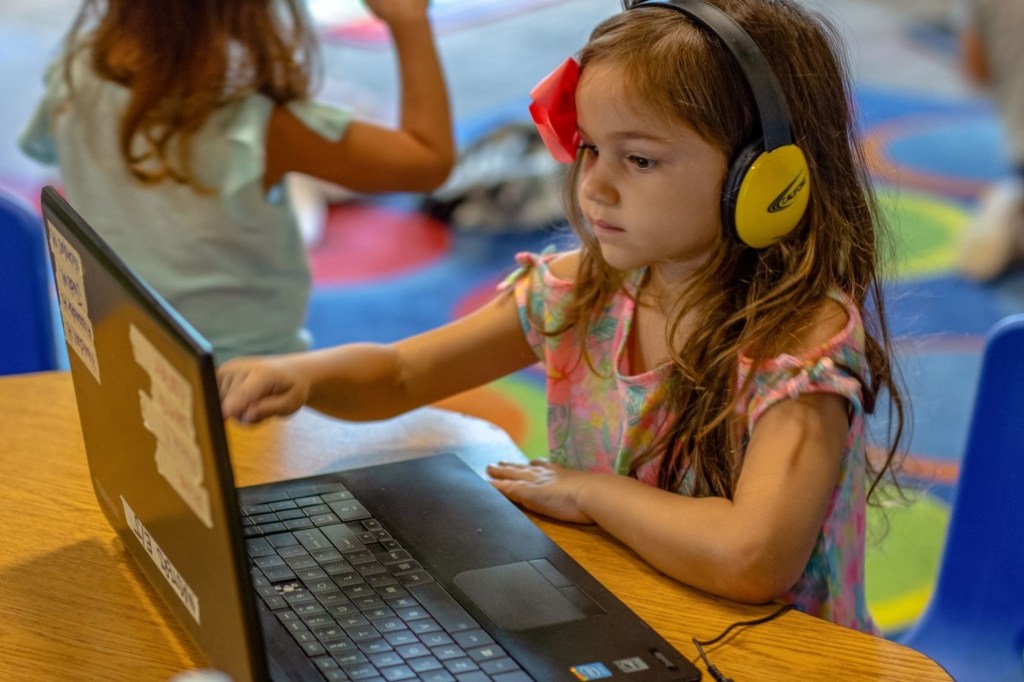
Montessori education has been a popular alternative schooling method for over a century. Founded by Maria Montessori in 1907, the approach emphasizes hands-on learning and student-led exploration. Montessori schools have traditionally shied away from using technology in the classroom, but in recent years, some educators have begun to incorporate it into their teaching.
The role of technology in Montessori education is a complicated one. On the one hand, many argue that technology goes against the core principles of Montessori teaching. On the other hand, others believe that technology can enhance and complement traditional Montessori methods.
One argument against using technology in Montessori classrooms is that it can be distracting and take away from students’ ability to focus on physical tasks. In traditional Montessori classrooms, students engage with materials like sandpaper letters and wooden blocks to learn letters and numbers. These materials are designed to be tactile and help children develop fine motor skills.
Proponents of incorporating technology into Montessori education argue that it can actually support students’ development of fine motor skills through activities like typing or drawing on tablets. Additionally, they suggest that digital tools can provide more individualized instruction for students with different learning styles.
Another concern about introducing technology into Montessori classrooms is that it could undermine the emphasis on social interaction and collaboration present in traditional methods. In many cases, digital devices encourage solitary activity rather than group work.
However, supporters of integrating technology point out that there are ways to use it collaboratively—for example, having small groups work together on coding projects or creating multimedia presentations.
Despite these debates about whether or not to introduce digital tools into Montessori settings at all—there’s another question: If we do decide to use tech within our schools; what exactly should we be using?
Some programs attempt to create “Montesori-like” experiences through tablet apps which simulate real-world interactions with objects like buttons or switches. These digital simulations can be interesting and engaging for students, but they may not fully replicate the tactile experience that is so important in traditional Montessori classrooms.
Another approach is to use technology as a way to supplement more traditional Montessori materials. For example, some schools have begun using interactive whiteboards to display information or videos related to concepts children are exploring with physical objects.
Digital tools can also be helpful when it comes to tracking student progress and providing individualized feedback. Some programs allow teachers to easily monitor how each child is doing on specific tasks or exercises—and even generate reports that help them identify areas where students may need extra support.
Ultimately, the role of technology in Montessori education will continue to be a topic of debate for many years to come. However, as educators explore new ways of integrating digital tools into their teaching practices, it’s clear that there are potential benefits—as well as risks—to consider.
If we decide that incorporating technology makes sense for our particular school or classroom community—then we need intentional conversations about what technologies align best with our values and approaches towards learning.
In conclusion, while Montessori education has traditionally shied away from using technology – this trend is changing rapidly. There are valid arguments both for and against introducing digital tools into these settings; however if done thoughtfully – there could potentially be benefits such as enhancing fine motor skills development through typing on tablets or creating multimedia projects collaboratively which could provide opportunities not present within traditional methods alone. The implementation of any technological tool must always remain aligned with core principles around hands-on learning experiences and fostering social interaction between students rather than being used in isolation as solitary activities – which could detract from the essence of what makes Montessori so unique in its approach towards alternative schooling methods.
 Alternative Amie
Leave a comment