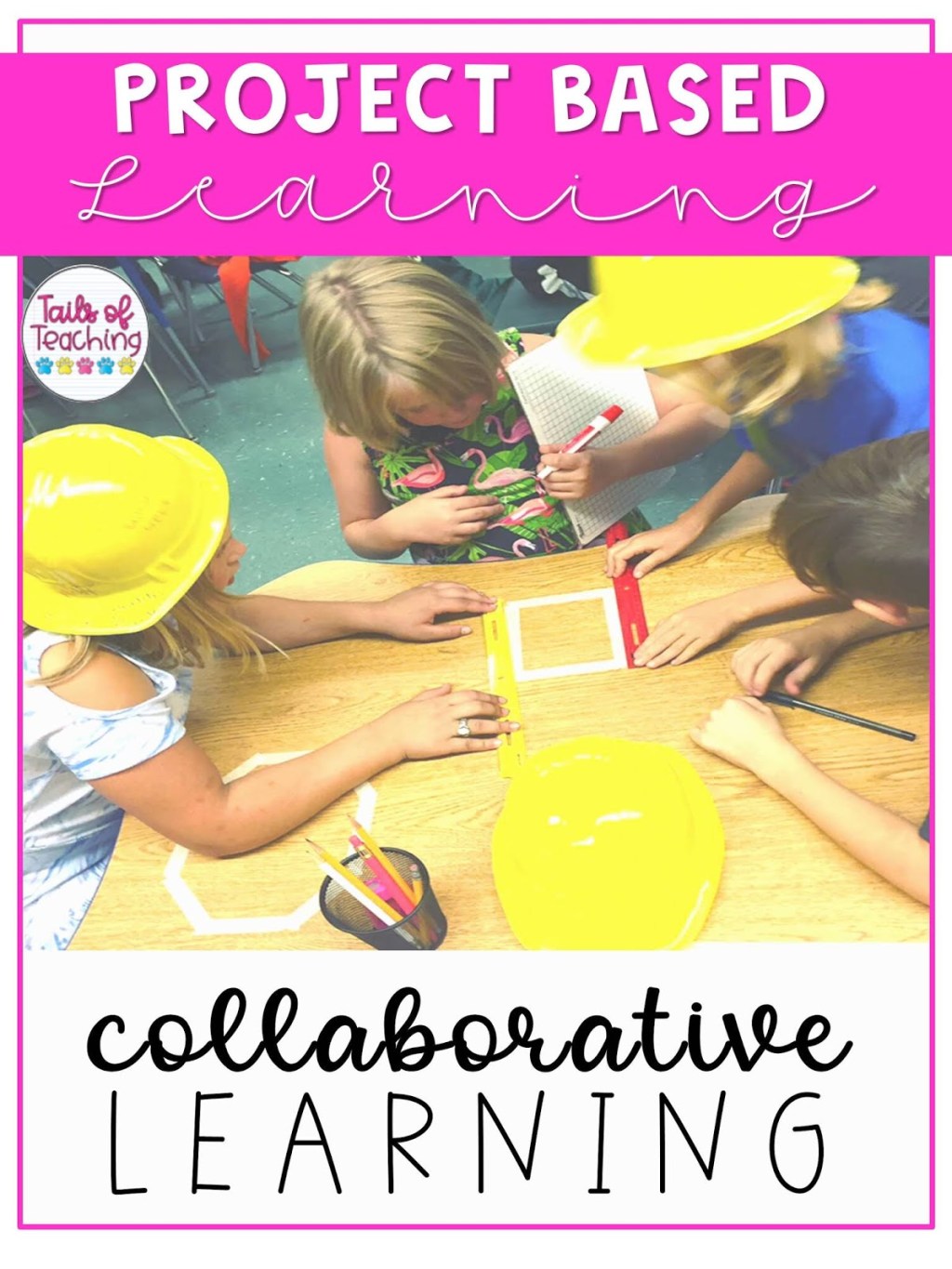
Project-based learning (PBL) is a student-centered teaching approach that has gained significant traction in recent years. It’s an innovative way of teaching that empowers students to take ownership of their learning by engaging them in real-world problem-solving and critical thinking activities. PBL has been proven to be beneficial for students as it provides an opportunity for them to develop essential skills such as collaboration, communication, creativity, and critical thinking.
Project-based learning involves creating a project or undertaking a task that requires the application of knowledge and skills learned in class. The projects can be interdisciplinary and involve different areas such as social studies, science, math, language arts, etc. Students are provided with guidelines on what they need to do but have autonomy over how they want to complete the project.
One of the main advantages of project-based learning is that it promotes deeper understanding. Instead of just memorizing facts and figures without knowing how they relate to real-life situations, PBL allows learners to apply their knowledge practically. This means that they understand concepts better because they have seen them work in action.
Another benefit is increased engagement from students who may feel disconnected from traditional classroom instruction methods. With PBL, students become more invested in their education because they are working on something tangible that matters outside the walls of the classroom. This connection between schoolwork and real-life experiences leads to higher levels of motivation among learners.
Additionally, project-based learning helps prepare learners for life beyond high school by providing opportunities for them to practice important life skills such as teamwork and problem-solving in a safe environment before entering college or starting careers.
As opposed to traditional forms of assessment like tests or quizzes where grades are solely based on individual performance; PBL focuses on group efforts which promote teamwork and collaboration amongst peers while also holding each other accountable for their contributions towards the final product/project outcome.
PBL isn’t limited only within traditional classrooms; alternative schooling environments provide unique opportunities for this pedagogical approach. Alternative schools have the flexibility to tailor curriculum and learning experiences that cater to individual student needs; PBL is a perfect fit for this.
The following are some examples of how project-based learning can be implemented in alternative schooling settings:
1. Personalized Projects: In an alternative school, students may have more freedom when it comes to what they want to learn. Teachers can create personalized projects based on each student’s interests or passions, allowing them to explore topics that they find engaging.
2. Community Service Projects: Many alternative schools place a strong emphasis on community service and social responsibility. PBL provides opportunities for learners to develop practical skills while also making meaningful contributions towards their communities.
3. Entrepreneurial Ventures: Project-based learning in entrepreneurship gives students hands-on experience in creating and managing their own businesses with guidance from experienced mentors or teachers.
Project-based learning requires extensive planning and preparation before implementation; here are some tips on how educators can effectively implement PBL:
1. Clearly define the project scope, objectives, deliverables, and timelines with clear guidelines so learners know what is expected of them throughout the process.
2. Provide ample opportunities for feedback throughout the project work period as this helps students reflect on their progress while giving educators insight into areas that need improvement.
3.Use reflection time after completion of projects where students provide self-reflections about their understanding of concepts learned during the project cycle.
In conclusion, Project-based learning has significant benefits over traditional teaching methods when done correctly with clear objectives set at every point in the process . It empowers learners by providing opportunities for real-life problem-solving through collaboration while promoting deeper understanding of concepts taught in class.. Educators should consider implementing PBL pedagogy as part of their teaching repertoire as it offers an innovative way to engage learners across all ages and levels regardless if it’s within traditional classrooms or alternative educational environments..
 Alternative Amie
Leave a comment