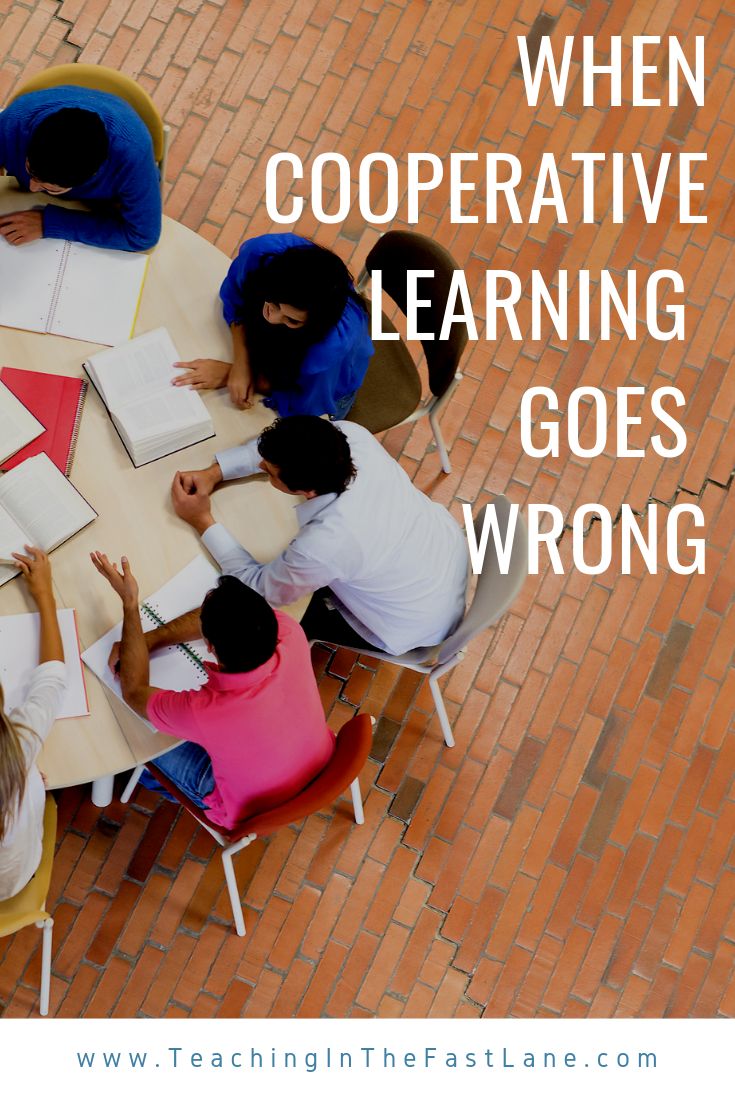
Cooperative learning is a teaching strategy that encourages students to work together in groups or teams to achieve common goals. This approach has been widely used in various educational settings and has proven effective in enhancing students’ academic performance, social skills, and self-esteem.
One of the most popular cooperative learning methods is the Jigsaw method. In this technique, students are divided into small groups and assigned different topics related to a larger subject. Each group member becomes an expert on their designated topic and then shares their knowledge with the rest of the group. This way, every student becomes responsible for learning and teaching others while also developing communication and collaboration skills.
Another effective cooperative learning method is problem-based learning (PBL). PBL involves presenting real-world problems or scenarios to students who must work together to find solutions by applying critical thinking skills, creativity, and teamwork. Through these activities, they learn how to analyze complex situations from multiple perspectives while also improving their problem-solving abilities.
Peer tutoring is another collaborative approach that helps students improve their academic performance by working with each other through one-on-one interactions. In peer tutoring sessions, more advanced learners help struggling peers understand specific concepts or assignments while reinforcing their own knowledge in the process.
Collaborative writing is another valuable cooperative learning activity that can enhance writing skills among learners. Students are grouped together to brainstorm ideas about a given topic; they then take turns drafting paragraphs until a complete essay emerges. Through this exercise, students learn how to communicate effectively with each other while also improving grammar usage, sentence structure, coherence and cohesion.
Think-pair-share (TPS) is yet another popular technique used for fostering classroom discussion where every participant gets equal opportunity to express themselves within small groups before sharing it back out with everyone else as needed.. TPS requires two-person discussions at first followed by reporting back what was discussed during pair conversations as a class-wide discussion round-robin style
Other collaborative activities include circle time which facilitates sharing and active listening, round-robin brainstorming which encourages creative thinking through group discussion, and cooperative projects where students work together to complete a single task or project.
In conclusion, cooperative learning is an effective teaching method that promotes teamwork, critical thinking skills, creativity, communication competence among learners. It has been instrumental in enhancing academic performance as well as social skills in various educational settings. From problem-based learning to peer tutoring and collaborative writing activities – there are numerous strategies that teachers can use to encourage collaboration among their students while also enhancing their overall learning outcomes.
 Alternative Amie
Leave a comment