What is standards-based grading and how does it work? If you are new to the world of alternative schooling, this may be a term that you have heard before but don’t fully understand. This post will provide an in-depth look at standards-based grading, including what it is, how it differs from traditional grading methods, and its benefits for both students and educators.
What is Standards-Based Grading?
Standards-based grading (SBG) is a method of evaluating student progress based on their mastery of specific learning objectives or standards rather than just overall performance. Instead of assigning grades based on tests or assignments alone, SBG takes into account a student’s ability to meet predetermined learning goals set by the teacher or school district.
In this type of grading system, teachers use rubrics or other assessment tools tied directly to each standard. These assessments help teachers identify areas where students need more support and guidance while also providing feedback on their strengths.
How Does Standards-Based Grading Work?
The first step in implementing SBG involves setting clear and measurable learning objectives for students. These objectives should align with state or national education standards as well as any unique goals set by the school district or individual teacher.
Once these objectives are established, teachers create rubrics that outline specific criteria for assessing student performance related to each objective. For example, if one objective is reading comprehension, the rubric may include criteria such as identifying main ideas and supporting details from a text.
Throughout the course of the semester or year, teachers assess each student’s progress toward meeting these objectives using various methods such as classwork assignments, quizzes/tests/exams that cover all skills taught within that particular time frame across multiple subjects at once (interdisciplinary), projects/presentations which demonstrate proficiency levels beyond simple memorization/recitation through application towards real-world problems/challenges faced by society today; etcetera
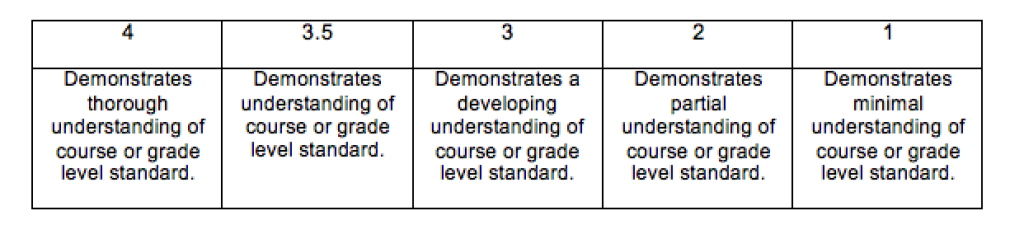
At regular intervals throughout the year (i.e., quarterly), teachers report out on each student’s progress toward meeting these objectives using a grading scale that aligns with the rubric. Typically, this grading scale is based on a four-point system in which students receive scores of 1-4 for each objective.
Benefits of Standards-Based Grading
There are many benefits to using standards-based grading in alternative schooling settings. Here are just a few:
1. Greater Clarity and Transparency: With SBG, both students and their families have a clear understanding of what they need to do to achieve success. By setting specific learning objectives tied to state or national education standards, teachers provide students with an explicit roadmap for achieving academic success.
2. More Accurate Assessment: Traditional grading methods often rely heavily on factors such as homework completion or attendance rather than actual mastery of content/skills taught within particular subjects/lessons etcetera. With SBG, however, assessments are directly tied to specific learning objectives outlined by teachers beforehand so that standardization can be achieved across all classrooms within the same school district (or even state).
3. Opportunities for Growth: Because SBG focuses on mastery over time instead of one-off exams or assignments, it provides students with more opportunities for growth throughout the year through feedback provided by teachers after each assessment task completed successfully by them as part of regular practice sessions held periodically during class periods etcetera.
4. A Focus on Learning Rather Than Grades: In traditional grading systems, grades often become the end goal rather than learning itself; under SBG method though we see that this is not true since everyone has an equal chance at succeeding regardless if they come from an economically disadvantaged background or not like those who attend public schools where resources may be limited due primarily due lack funding available there compared private institutions offering similar programs/services but charging more tuition fees overall per year thus limiting access only wealthier families could afford them otherwise making it less inclusive options available out there today
Conclusion
Standards-based grading is an important tool for educators in alternative schooling settings. By focusing on mastery of specific learning objectives rather than overall performance, it provides students with a clear path to academic success while also providing teachers with valuable feedback on their teaching effectiveness. If you are interested in implementing SBG in your classroom or school, start by setting clear and measurable learning objectives tied to state/national education standards and creating rubrics that align with them. With time and practice, you can help your students achieve the mastery they need to succeed both academically and beyond!
 Alternative Amie
Leave a comment