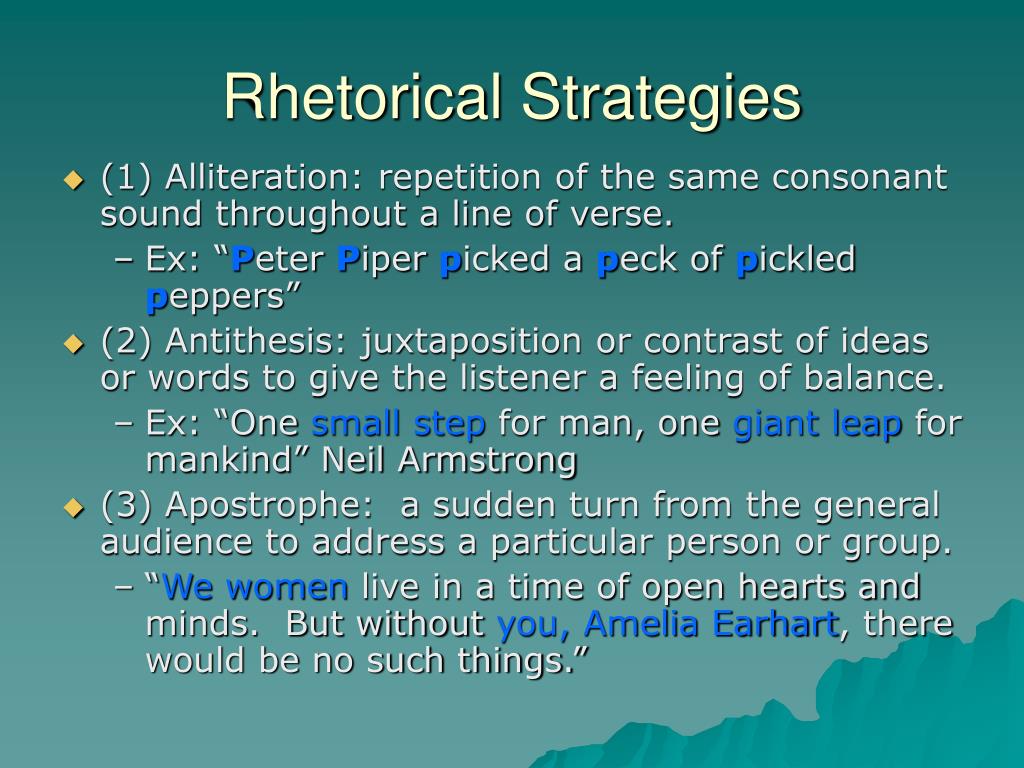
Rhetoric is an interesting and often misunderstood concept that can be found in various aspects of our daily lives. From politics to marketing, rhetoric plays a key role in shaping the way we perceive and interpret information.
To better understand what rhetoric is, it’s important to start with its definition. Rhetoric refers to the art of using language effectively and persuasively. It involves using various techniques such as logic, emotion, and credibility to convince others of a particular argument or point of view.
One of the most significant historical figures associated with rhetoric is Aristotle. In his book “Rhetoric,” he outlined three essential components needed for effective communication: logos (logic), pathos (emotion), and ethos (credibility). According to Aristotle, a successful communicator needs all three elements working together in order to achieve their desired outcome.
In modern times, rhetoric has taken on new forms thanks largely to advancements in technology and media. Social media platforms have provided individuals with new ways to communicate ideas and opinions – often through shorter messages that rely heavily on emotional appeals rather than logical ones.
This shift towards more emotive forms of communication has been both praised and criticized by scholars. Some argue that it allows for greater expression of individual viewpoints while others suggest it dilutes the quality of discourse overall.
Regardless of how one feels about these changes, there’s no denying that understanding rhetoric remains an important skill for anyone seeking success in today’s world – particularly when it comes to navigating complex social issues or competing claims for truth or justice.
When considering different approaches towards teaching students about rhetoric, there are several methods worth exploring. One option might involve focusing on specific rhetorical devices such as metaphors or analogies; another could involve studying historical speeches from influential figures like Martin Luther King Jr., Winston Churchill or Barack Obama as examples of masterful communicators who used rhetorical strategies effectively during their time in power.
Another approach might focus on helping students develop critical thinking skills that can help them identify when rhetoric is being used in an attempt to manipulate or deceive. By teaching students how to evaluate arguments based on their underlying logic and evidence, we can help them become more discerning consumers of information in a world rife with misinformation and propaganda.
In addition to its educational value, rhetoric also has practical applications in areas like marketing and politics. Advertisers use rhetorical techniques all the time – from catchy slogans to emotionally charged imagery – in order to persuade consumers into making purchases. Similarly, politicians rely heavily on rhetorical strategies during election campaigns as they seek to win over voters through speeches, debates, and other forms of public communication.
One common criticism of rhetoric is that it can be manipulative and unethical if used without regard for truth or ethical considerations. However, many scholars argue that this line of thinking oversimplifies what rhetoric actually entails; instead, they suggest that effective communicators must always balance their desire for persuasion with a deep commitment towards honesty and transparency.
Ultimately, understanding the role of rhetoric in our lives requires us to look beyond surface-level impressions or assumptions about what constitutes good or bad communication. It demands a willingness to engage critically with complex issues surrounding language usage while recognizing both its potential pitfalls as well as its unique capacity for creating meaningful change.
In conclusion, Rhetoric is an important concept that plays a significant role in various aspects of our daily lives. From education to politics and advertising, understanding how language works persuasively can be incredibly valuable skillset for anyone looking towards success within these fields. And by teaching students about different approaches towards studying it – whether through exploring specific devices such as metaphors or analogies; historical speeches from influential figures like Martin Luther King Jr., Winston Churchill or Barack Obama; critical thinking skills development – we equip them with tools necessary not just navigating society but also contributing positively towards it too!
 Alternative Amie
Leave a comment