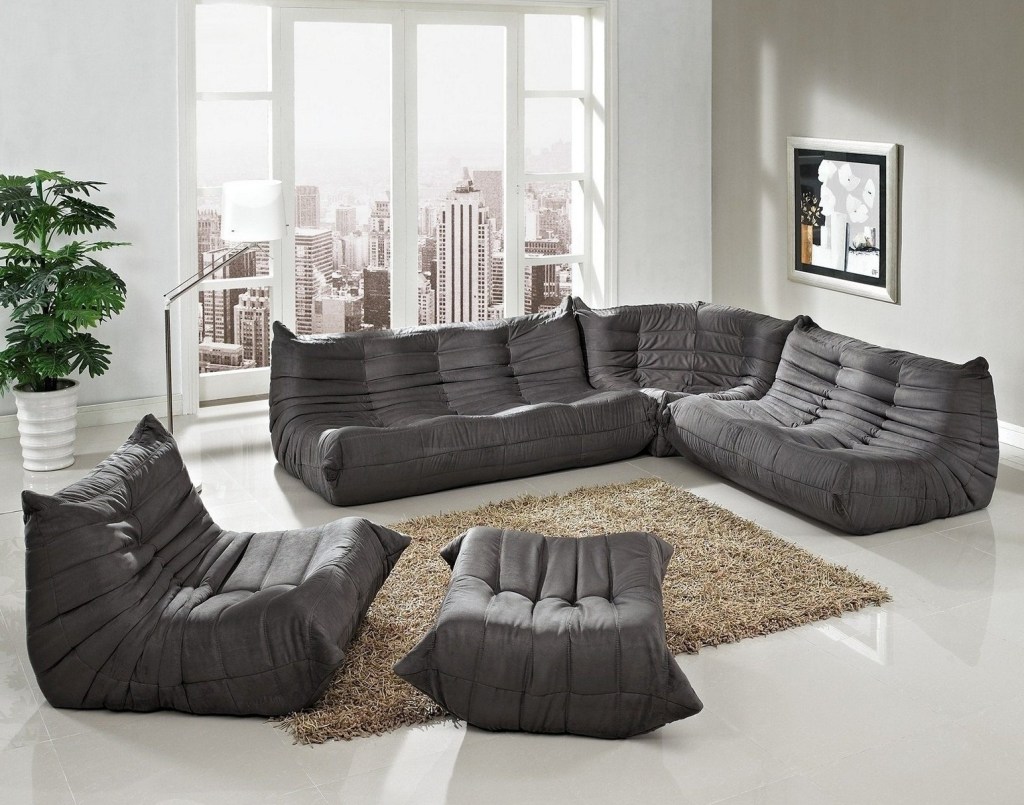
Pillows and Cushions: The Unsung Heroes of Alternative Schooling and Education
When most people think of alternative schooling and education, they likely picture a classroom full of students sitting at desks, listening to a teacher lecture. However, the truth is that alternative schooling can take many forms, from homeschooling to Montessori schools to Waldorf education. And regardless of the specific approach being taken, there’s one thing that all these methods have in common: the importance of creating a comfortable learning environment. That’s where pillows and cushions come in.
It might seem like a small detail, but having comfortable seating options can make a big difference in how children learn. Research has shown that physical comfort plays an important role in academic performance – when students are uncomfortable or distracted by discomfort, their ability to focus on learning decreases. On the other hand, when they’re physically at ease, they’re better able to concentrate and retain information.
Of course, not all pillows and cushions are created equal. Here are some factors to consider when choosing seating options for your alternative education space:
Material
The material used for your pillows or cushions will affect their durability as well as their level of comfort. Some popular materials include cotton (which is breathable), wool (which is naturally flame-resistant), and foam (which offers firm support). Depending on your budget and preferences you may also want to consider eco-friendly materials like bamboo or hemp.
Shape
The shape of your pillows or cushions can also impact their effectiveness as learning aids. For example, round floor cushions encourage group discussion because they allow everyone sitting around them to maintain eye contact with each other easily; while square-shaped pillows provide more back support which makes them suitable for individual workstations.
Size
There’s no one-size-fits-all answer here since sizes will depend on individual student age/heights but it’s recommended you choose larger sizes than smaller ones so that kids can adjust themselves comfortably without feeling cramped or restricted.
Color
The color of the pillows and cushions can have a significant impact on mood, productivity, and creativity. Bright colors like yellow and orange can help stimulate energy and focus; while cooler tones like blue or green may be more calming.
Now let’s take a closer look at some specific seating options that are popular in alternative education settings:
1. Zafu Meditation Cushions
Zafu meditation cushions originated in Japan but have become increasingly popular worldwide as meditation becomes more mainstream. They’re typically round-shaped with a flat top surface that provides optimal support for the hips while sitting cross-legged on the floor. The cushion lifts your pelvis slightly to prevent lower back pain and encourage proper posture.
In alternative schools, teachers often use zafus for group activities because they provide comfortable seating close to the ground which allows children to interact with each other freely while maintaining good posture.
2. Floor Pillows
Floor pillows are great for creating cozy reading corners where students can curl up with books comfortably without struggling with hard chairs or couches that might not fit their size well. They come in various shapes – round, square, rectangular – so you should choose what fits best within your space constraints.
These types of pillows are also versatile since they’re easy to move around so kids can create different configurations depending on their needs (e.g., using them as backrests against walls or making mini forts).
3. Bean Bag Chairs
Beanbag chairs offer ultimate relaxation when it comes to learning spaces since they conform completely to a student’s shape providing full-body support from head-to-toe! The soft foam inside makes them comfortable enough for extended periods of sitting/lying down while being resilient enough to hold up over time.
Just make sure you consider safety concerns if younger children will be using these bean bag chairs – avoid large sizes that could pose suffocation risks if someone gets trapped inside one accidentally!
4. Yoga Bolsters
Yoga bolsters are cylindrical-shaped pillows that provide support for various yoga poses and can be used in alternative education settings to help kids stretch and move their bodies during breaks between lessons. The firmness of the bolster should match the child’s age/height so they can easily hold positions without losing balance or slipping off.
5. Back Jack Chairs
Backjack chairs offer a unique combination of back support, comfort, and versatility for students who prefer sitting on the floor but need some extra back support while doing so. They’re lightweight and portable which makes them easy to move around when needed – great for group discussions where different seating arrangements may be required.
In conclusion, it’s clear that pillows and cushions play an essential role in creating comfortable learning environments in alternative schooling settings – not just as accessories but as tools for enhancing student engagement, focus, and overall well-being too! By carefully selecting materials, shapes, sizes, colors you’ll create an atmosphere conducive to learning while promoting good posture habits at the same time. So next time you’re setting up your alternative education space make sure you consider these unsung heroes of comfort!
 Alternative Amie
Leave a comment