Intellectual Autonomy: The Foundation of Alternative Education
Education is a fundamental aspect of human life that shapes individuals’ thinking, beliefs, and worldviews. While traditional education systems prioritize conformity and obedience to authority, alternative schooling models like Montessori, Waldorf, and democratic schools emphasize intellectual autonomy as the cornerstone of learning.
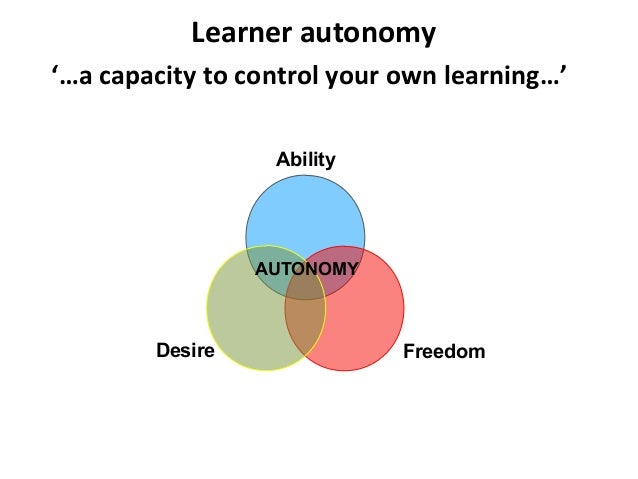
What is intellectual autonomy? It refers to an individual’s ability to think critically, independently, and creatively about different issues without relying on external sources. Intellectual autonomy allows learners to develop their own ideas based on their personal experiences and perspectives rather than adopting preconceived notions or societal expectations.
The importance of intellectual autonomy in alternative education stems from the belief that students must take responsibility for their learning process. Students who have control over what they learn are more engaged in the learning experience because they feel a sense of ownership over it. This fosters a love for lifelong learning that continues far beyond graduation.
In contrast to conventional classrooms where teachers dictate what students should learn and how they should learn it, alternative school models give learners the freedom to explore topics at their own pace through self-directed activities. For instance, Montessori schools encourage children to discover concepts through play-based activities while Waldorf schools use art-based approaches to teach subjects like math and science.
Democratic schools go further by allowing students to participate in decision-making processes related not only to curriculum but also school governance matters such as hiring staff members or determining rules & regulations within the institution. By giving students a voice in these decisions which impact them directly makes them feel valued which leads them towards taking greater responsibility for themselves & others around them.
One significant advantage of fostering intellectual autonomy is its potential contribution towards developing problem-solving skills amongst learners. When individuals are encouraged towards independent thinking & creativity in class discussions or projects; they become better equipped with tools necessary for tackling complex problems both inside/outside classroom environments effectively.
Another benefit is that individuals empowered with intellectual autonomy tend towards being more open-minded and accepting of others’ perspectives. By creating an environment in which students are encouraged to question assumptions, challenge biases, and form their own opinions, alternative schools promote a culture of mutual respect & understanding.
However, it is essential to note that intellectual autonomy does not mean complete isolation from external sources. Instead, it suggests the ability to engage with diverse viewpoints critically while evaluating them based on one’s personal values & beliefs. Therefore, alternative education institutions must create an environment that fosters critical thinking skills alongside providing access to various resources for learners.
In conclusion, intellectual autonomy is a crucial aspect of learning that encourages individuals towards independent thinking and creative problem-solving abilities. Alternative schools have been at the forefront of promoting this concept by prioritizing student-led learning models that put learners in control of their educational journey. As we look ahead towards the future of education systems worldwide, we must continue exploring new ways to incorporate intellectual autonomy into our classrooms so that students can develop lifelong skills necessary for thriving in an ever-changing world.
 Alternative Amie
Leave a comment