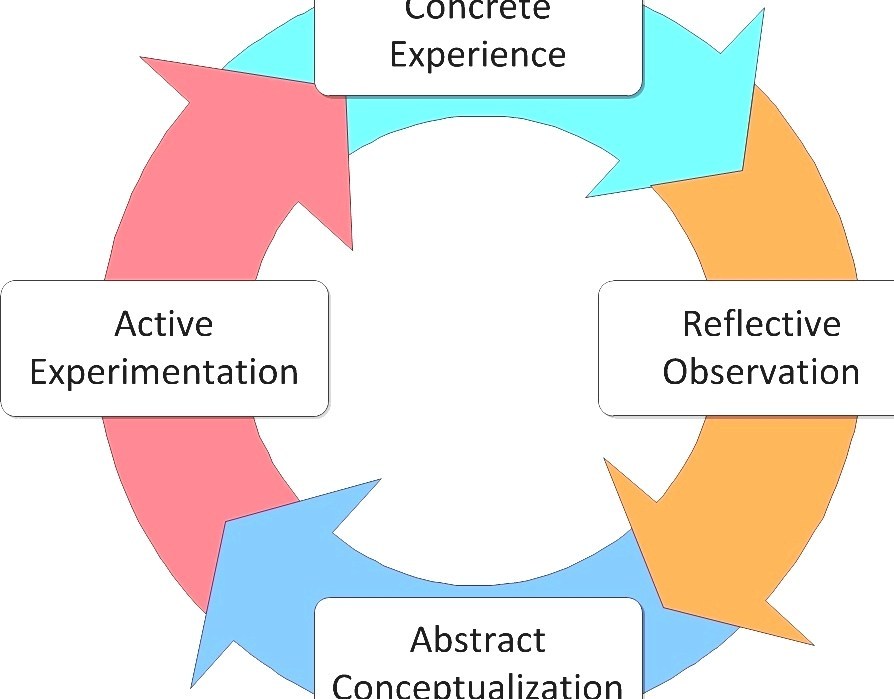
Experiential learning is a teaching approach that focuses on learning through experience. In this method, students learn by doing rather than just listening to lectures or reading textbooks. Experiential learning can take many forms such as internships, apprenticeships, project-based learning, and outdoor education.
One key benefit of experiential learning is that it allows students to apply theoretical concepts to real-world situations. This helps learners not only understand the material but also develop practical skills and gain hands-on experience. By engaging in activities that relate to what they are studying, students can see how their skills and knowledge translate into real-world scenarios.
Another advantage of experiential learning is that it promotes teamwork and collaboration. Many experiential activities require participants to work together in groups or pairs which fosters communication and cooperation skills. Students learn how to share ideas, delegate tasks, provide feedback constructively and hold each other accountable for their actions.
Experiential learning also enables learners to explore interests outside traditional classroom settings; thus broadening their perspectives on various topics they would otherwise not have encountered in a theoretical setting. For instance, an internship at an animal shelter could expose one’s passion for animals leading them towards pursuing related careers like veterinary medicine.
In conclusion, experiential learning has numerous benefits both academically and personally. It offers hands-on experiences allowing learners’ mission-driven exploration while providing opportunities for personal growth necessary for success beyond the classroom walls.
 Alternative Amie
Leave a comment