Individualized Education Programs (IEPs) are critical tools for students with emotional and behavioral disorders. These programs ensure that these students receive the necessary accommodations to succeed academically, socially, and emotionally in school. In this post, we’ll take a closer look at IEP accommodations for students with emotional and behavioral disorders.
What are Emotional and Behavioral Disorders?
Emotional and Behavioral Disorders refer to a broad range of conditions that affect a student’s ability to learn, interact with others, and manage their behavior effectively. This can include anxiety disorders, depression, oppositional defiant disorder (ODD), conduct disorder (CD), attention-deficit/hyperactivity disorder (ADHD), bipolar disorder, or any other condition that significantly impacts the student’s social or academic functioning.
Students with EBD may struggle to regulate their emotions or behaviors appropriately in different settings like home or school. These difficulties can lead to negative outcomes such as poor academic performance, social isolation from peers or teachers’ disapproval.
Fortunately, schools have several strategies they use to support students who exhibit challenging behaviors due to EBDs.
Accommodations for Students with Emotional and Behavioral Disorders
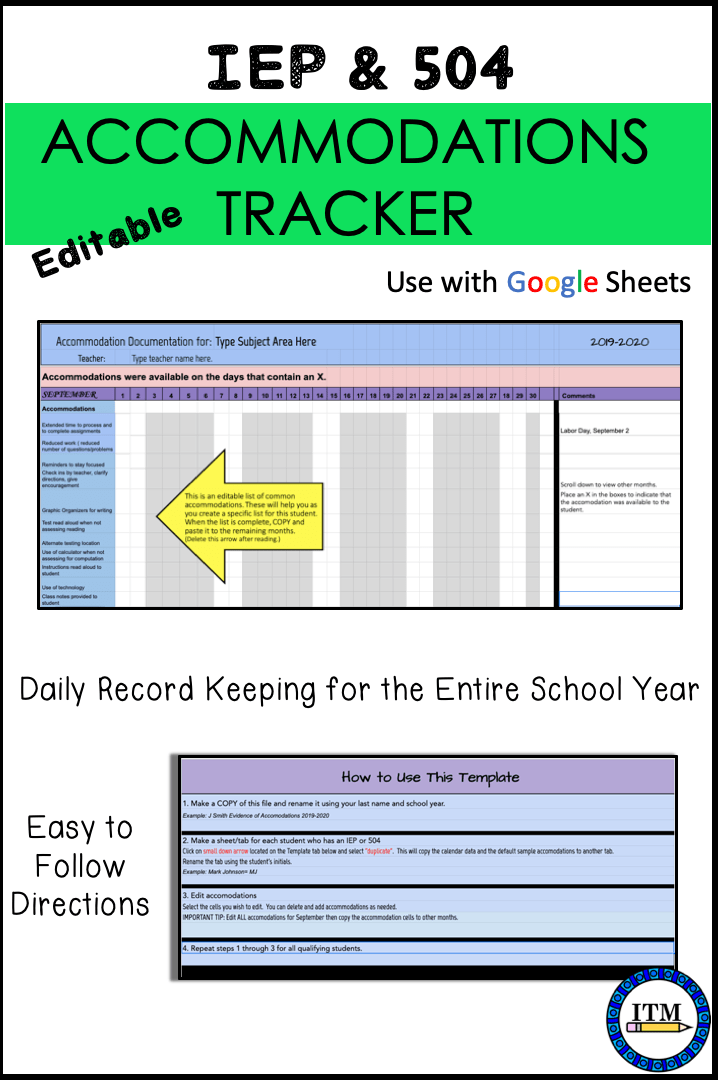
IEP accommodations designed for students with emotional and behavioral disorders should be personalized based on each child’s specific needs rather than using a one-size-fits-all approach. Below are some common accommodations:
1. Positive Behavior Support Plans
Teachers collaborate with parents/guardians in developing individualized Positive Behavior Support plans tailored towards improving appropriate behavior among learners struggling with EBDs. PBSP aims at promoting positive reinforcement such as praise when the learner exhibits appropriate behaviors while discouraging negative ones through corrective measures like time-outs.
2. Social Skills Training
Social skills training is another important accommodation that helps learners develop appropriate interaction skills when relating to peers or adults around them positively. Examples of activities during social skills training may include role-playing games where learners practice active listening skills during conversations by maintaining eye-contact or avoiding interrupting others.
3. Alternative Seating Arrangements
Alternative seating arrangements such as standing desks can help learners with EBDs remain focused and engaged in the learning process while reducing anxiety levels that may trigger their disruptive behaviors.
4. Extended Time on Tests
Extended time on tests is an accommodation that enables students with emotional and behavioral disorders to have extra time during exams, which gives them more opportunity to complete assignments without feeling rushed or overwhelmed.
5. Sensory Breaks
Sensory breaks are a crucial component of IEP accommodations for students with EBDs who struggle with sensory processing challenges. These breaks could involve activities like deep breathing exercises, yoga poses, or listening to calming music for a few minutes before returning to classwork.
6. Modified Assignments and Assessments
Teachers modify assignments and assessments based on each student’s individual needs so that they can be successful in completing their work without frustration or failure.
Conclusion
In conclusion, Individualized Education Programs (IEPs) provide critical support for students struggling with emotional and behavioral disorders by accommodating their unique learning needs. By working collaboratively between parents/guardians and teachers, schools can create customized plans tailored towards improving academic performance, social skills development, positive behavior reinforcement while minimizing negative outcomes associated with challenging behaviors from these students.
It’s essential to note that implementing these accommodations shouldn’t stigmatize learners but rather promote inclusiveness within the school population by ensuring every student receives equal opportunities for success despite their condition.
By providing appropriate accommodations tailored explicitly towards meeting each learner’s unique needs, we can ensure students achieve academic excellence while building meaningful relationships around them positively.
 Alternative Amie
Leave a comment