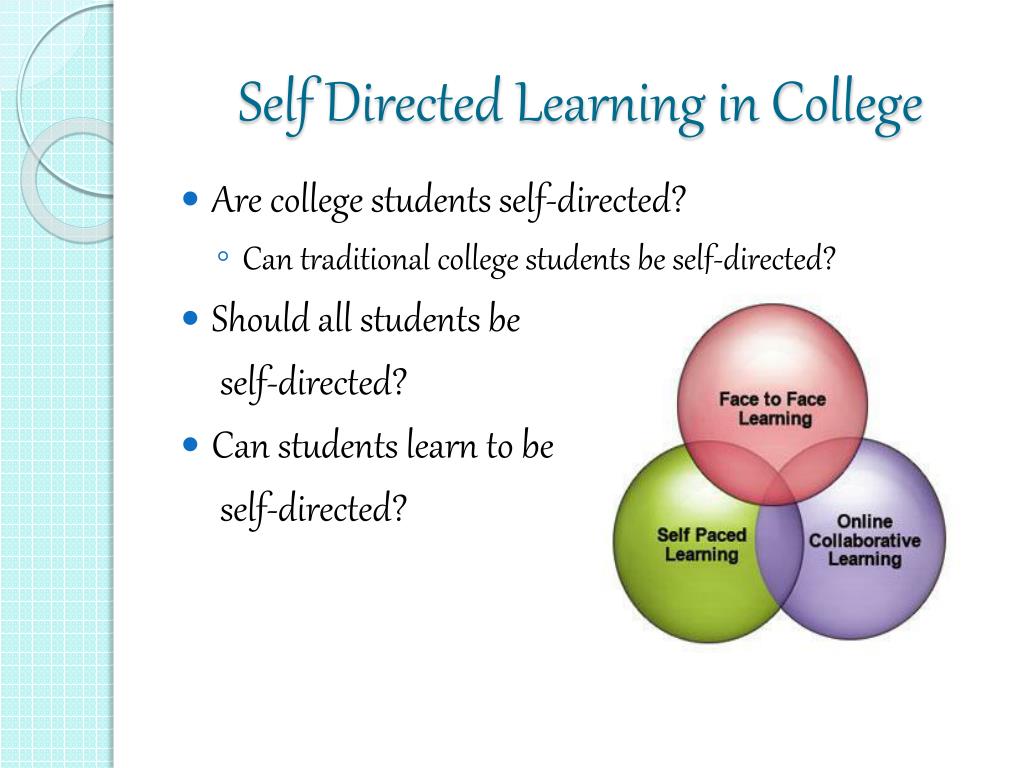
As society evolves, so does the approach to learning. Self-directed learning is a popular alternative that challenges traditional methods of education. It’s an approach where learners have autonomy over their own learning experience and are responsible for setting goals, identifying resources, and evaluating their progress.
However, there has been some controversy surrounding this method of learning. Critics argue that self-directed learning may not be suitable for everyone due to several reasons such as lack of discipline and accountability. Nonetheless, research shows that students who engage in self-directed learning stand to benefit greatly from the process.
One key advantage of self-directed learning is its flexibility and adaptability. Learners can tailor their studies based on their interests or needs, which allows them to explore topics they are passionate about or learn at a pace that suits them best. This level of flexibility also encourages critical thinking skills because it requires learners to identify areas where they need improvement and develop plans accordingly.
Additionally, self-directed learners tend to take ownership of their education; they become more responsible for their success than when someone else directs their path forward. This sense of responsibility often leads to higher levels of motivation because individuals feel empowered by the control they have over what they learn and how much effort they put into it.
Self-directed learning also prepares people better for real-life situations than traditional classroom settings do since life itself requires independent thought processes with little guidance from others most times.
Despite the benefits mentioned above, one must keep in mind that this style isn’t always ideal or effective in all scenarios – especially when dealing with kids who haven’t yet developed enough executive functioning skills like time management or organization yet (which takes place around age 7-8). In such cases parents may need to monitor more closely but still allow children some degree of autonomy without overwhelming them too much either way towards controlling or letting go completely depending on individual personalities etcetera – finding balance is key here just like anything else in life!
In conclusion, Self-directed learning empowers learners to take control of their education, set goals and learn at their own pace. It also fosters critical thinking and problem-solving skills while promoting responsibility and motivation among students. While this approach may not be ideal for everyone, it’s worth considering as an alternative method of learning.
 Alternative Amie
Leave a comment