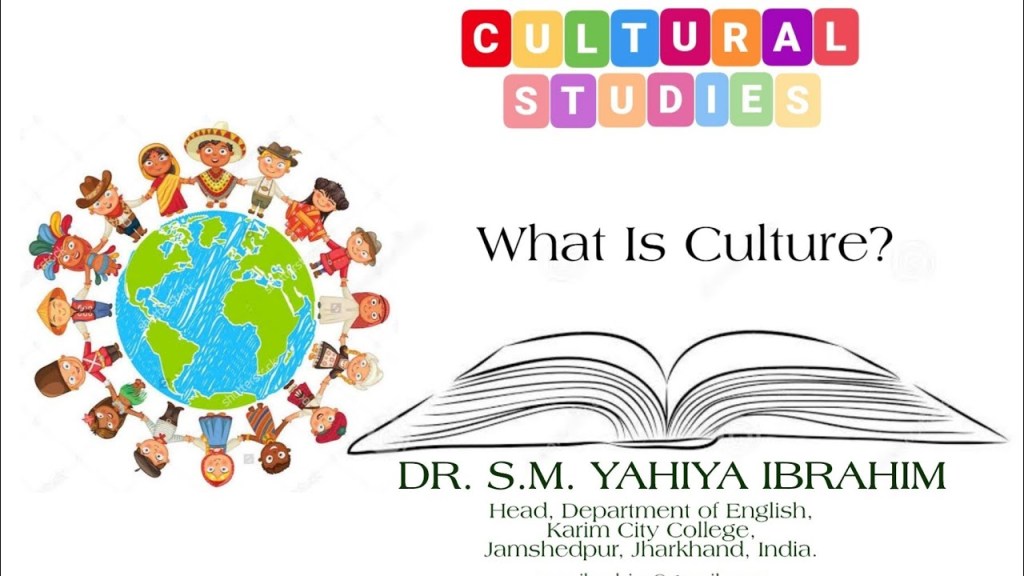
Cultural Studies: Understanding the World and Ourselves
Education is not only about acquiring knowledge, but it is also about understanding ourselves and the world around us. In an age where globalization has made our world smaller, cultural studies have become more important than ever before. Cultural studies are an interdisciplinary field that examines cultural practices in different societies, including their beliefs, values, institutions, and historical context. It analyzes how cultures shape individuals and society’s identities to understand power relations at play.
The study of culture can benefit students in many ways by helping them develop a critical understanding of themselves and others while promoting tolerance for diversity. Students who pursue cultural studies learn to think critically about complex social phenomena like race relations, gender roles, inequality issues among other things.
One significant advantage of studying cultures is that it helps break down stereotypes by showing students how people from different backgrounds live their lives differently. By examining various cultures’ traditions and customs across time periods globally as well as locally within their communities or countries of origin will help build empathy towards those with differing lifestyles or beliefs.
Cultural Studies programs often include courses on topics such as literature (both classic texts and modern), history (including art history), anthropology (the study of human societies), sociology (the study of social behavior) among other disciplines which all contribute to gaining a broad perspective on what makes up human identity.
In addition to developing critical thinking skills through analyzing primary sources or engaging in meaningful discussions with peers in class sessions – students also cultivate essential communication skills necessary for navigating multicultural environments successfully. They learn how to listen actively without judgment while expressing their own opinions clearly using appropriate language based on respect for diverse perspectives.
Another important aspect of cultural studies is its potential impact on education policy-making decisions concerning curriculum development globally while ensuring inclusionary practices that represent minority voices and experiences within educational settings such as classrooms or schools. This kind of approach ensures equity-based policies are implemented across all levels starting from admission policies to teaching methods and beyond.
Furthermore, cultural studies have become increasingly relevant in the professional world. Employers often value employees who are culturally competent when it comes to engaging with diverse populations or working in multicultural environments. By studying cultures, students can develop skills that enable them to navigate different social contexts and communicate effectively across language barriers.
In conclusion, cultural studies provide a unique opportunity for students of all backgrounds to gain insight into different societies’ beliefs, values, institutions while also developing critical thinking skills necessary for navigating complex social phenomena like race relations or inequality issues. It is an interdisciplinary field that examines how cultures shape individuals’ identities as well as society’s power structures at large. Cultural Studies programs offer courses on literature, history, anthropology among other disciplines that contribute towards building empathy towards diversity while promoting tolerance within our communities globally. It has become increasingly important in education policy-making decisions concerning curriculum development and ensuring inclusionary practices within educational settings such as classrooms or schools – ultimately leading towards equitable outcomes across all levels starting from admission policies through teaching methods and beyond!
 Alternative Amie
Leave a comment