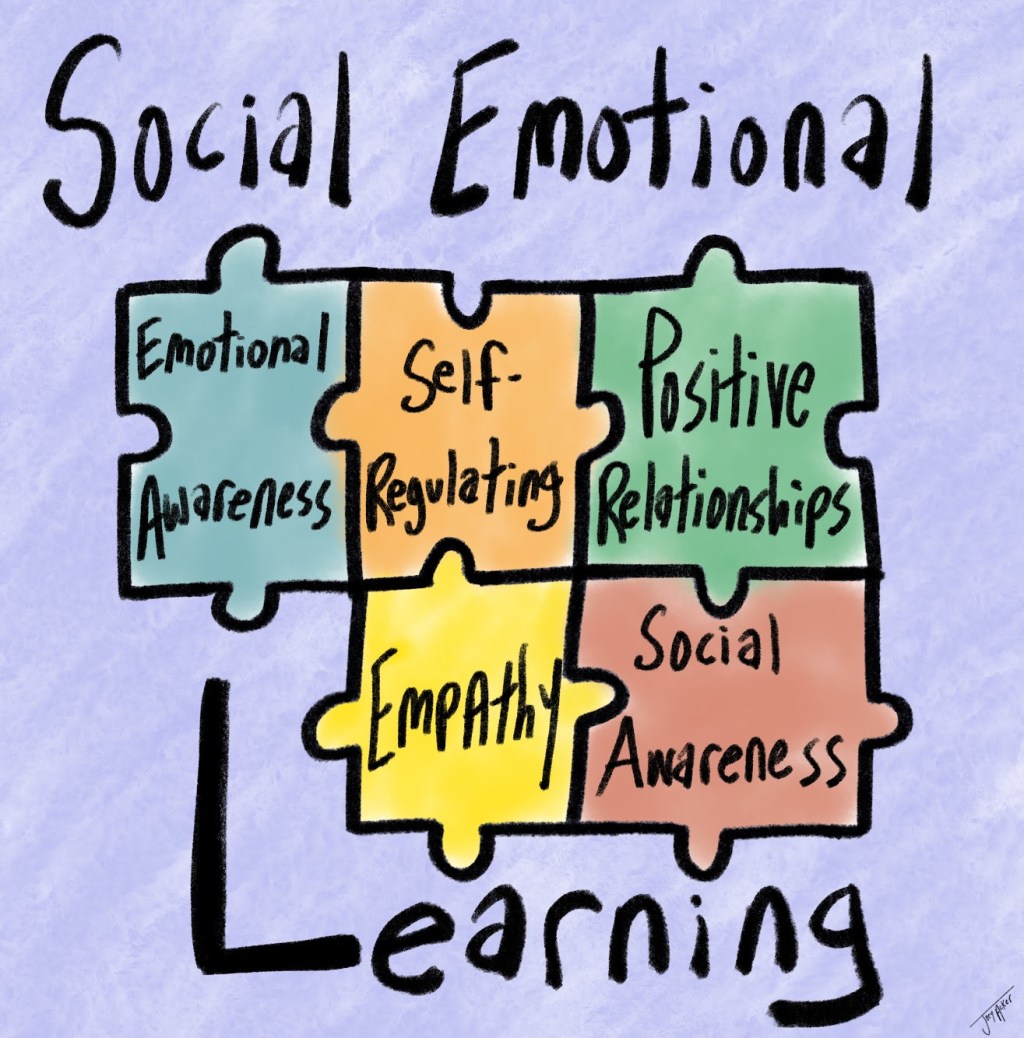
Social-Emotional Learning in Alternative Education Settings
Alternative education settings, such as alternative schools and homeschooling environments, have gained popularity over the years. These educational options offer a unique approach to learning that focuses on the individual needs of students rather than following a traditional one-size-fits-all model. One important aspect of these approaches is social-emotional learning (SEL).
SEL is defined as the process through which individuals develop essential skills for life success, including self-awareness, self-management, social awareness, relationship skills, and responsible decision-making. SEL helps students understand their emotions better and learn how to manage them effectively. It also teaches them how to establish positive relationships with others and make responsible decisions.
In alternative education settings where there are typically smaller class sizes and personalized attention from educators, SEL can be an integral part of the curriculum. Teachers have more opportunities to get to know their students on a deeper level and provide tailored instruction based on their unique needs.
One effective way that alternative schools incorporate SEL into their curriculum is through project-based learning. In this model of instruction, students work together in groups or individually to solve real-world problems or complete projects related to topics they are interested in. This approach encourages collaboration among students while helping them develop critical thinking skills that are essential for success in life.
Another way teachers integrate SEL into alternative education settings is by providing opportunities for reflection and journaling exercises. These activities encourage self-awareness and help students identify patterns in their behavior or thought processes that may need improvement.
Homeschooling parents also often prioritize SEL when designing their children’s curriculum. They might use online resources like videos or blogs created by experts in social-emotional learning fields or focus on building emotional intelligence through discussion prompts during family time.
In conclusion, incorporating social-emotional learning into alternative education settings has become increasingly prevalent due to its effectiveness in teaching essential life skills such as empathy, communication abilities leading towards better overall mental health outcomes. It is important to understand that SEL is not a quick fix but rather an ongoing process that requires patience, dedication, and support from educators and parents alike.
 Alternative Amie
Leave a comment