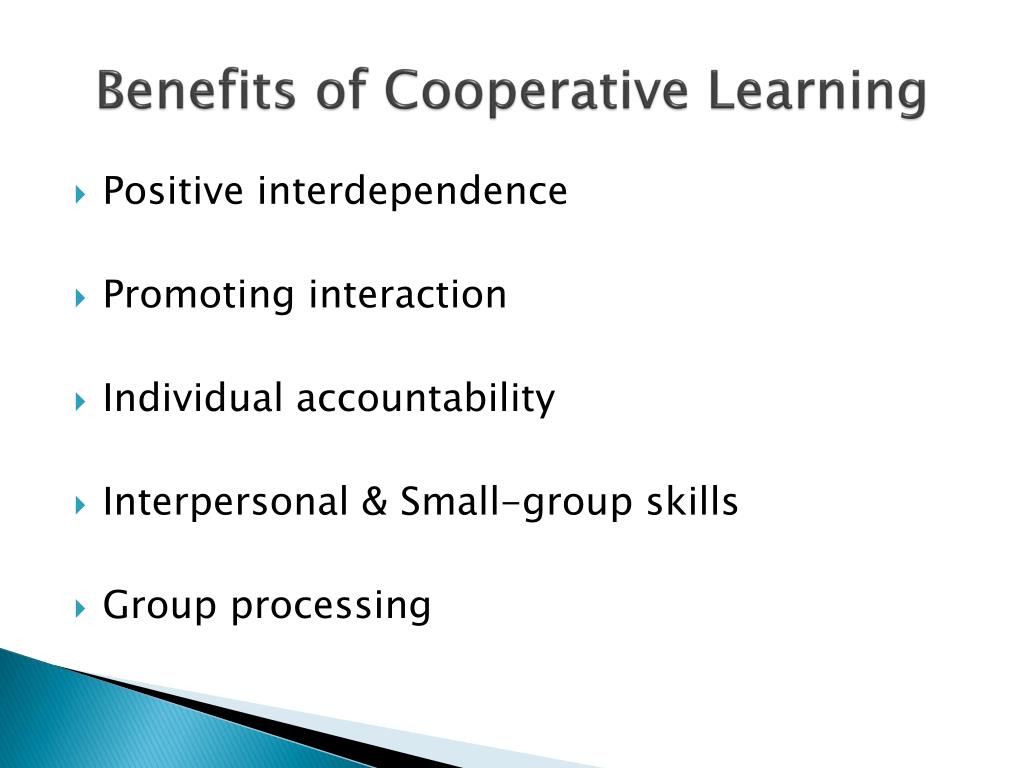
Cooperative learning is not a new concept in education, but it has gained popularity in recent years due to its effectiveness. Cooperative learning involves students working together in small groups to achieve common goals and complete tasks. It differs from traditional teaching methods where students work individually, and the teacher is the primary source of information.
Here are seven reasons why cooperative learning can be an effective approach to alternative schooling and education:
1. Encourages Active Learning
Cooperative learning encourages active participation by all members of the group. Each student takes responsibility for their role within the group, which contributes to better engagement and retention of information.
2. Develops Social Skills
Working with others in a cooperative setting helps develop important social skills such as communication, leadership, problem-solving, and teamwork – all essential skills that will benefit students throughout their lives.
3. Increases Student Motivation
Students often find it more rewarding to work collaboratively than individually because they feel valued as part of a team effort rather than just another individual completing an assignment on their own.
4. Enhances Critical Thinking Skills
In cooperative learning settings, students are encouraged to think critically about ideas that may differ from their own perspectives. This process helps them understand diverse viewpoints while also sharpening their critical thinking skills.
5. Promotes Positive Interdependence
One of the key features of cooperative learning is positive interdependence – when each member’s success depends on everyone else’s success within the group. Students learn how to work collaboratively towards a shared goal while also developing empathy for others’ struggles or challenges.
6. Creates A Safe Learning Environment
Cooperative learning creates a safe space where students can take risks without fear of failure or judgment from peers or teachers because they know that everyone is working together towards achieving common goals.
7.Encourages Diversity And Inclusivity
When working cooperatively with others who have different backgrounds, experiences, or perspectives ,students gain insights into other cultures and lifestyles, which promote diversity and inclusivity. Cooperative learning helps students appreciate differences while also finding commonalities that can lead to friendships and stronger bonds.
In summary, cooperative learning is a valuable approach to alternative schooling and education that offers numerous benefits for students of all ages. By encouraging active participation, developing social skills, increasing motivation, enhancing critical thinking skills, promoting positive interdependence, creating a safe learning environment ,and encouraging diversity and inclusivity – cooperatively structured classrooms help create an enriching experience for students.
 Alternative Amie
Leave a comment