Alternative schooling and education have become an increasingly popular choice for families seeking a more personalized approach to their children’s learning. These alternative options offer unique approaches to education that cater to different needs, such as homeschooling, online learning, unschooling, and Montessori schools. In this post, we’ll explore the benefits of alternative schooling and education.
Homeschooling
Homeschooling has been around for centuries but has gained popularity in recent years due to its flexibility and individualized approach. Parents who choose to homeschool their children are able to tailor their curriculum specifically to meet their child’s unique interests and learning style while also enjoying the freedom of setting their own schedule.
One significant benefit of homeschooling is that it allows for an individualized pace of instruction. Children can take as much or as little time as they need on each subject without feeling rushed or held back by classmates’ progress. Additionally, parents can incorporate real-world experiences into lessons that help connect academic subjects with practical knowledge.
Online Learning
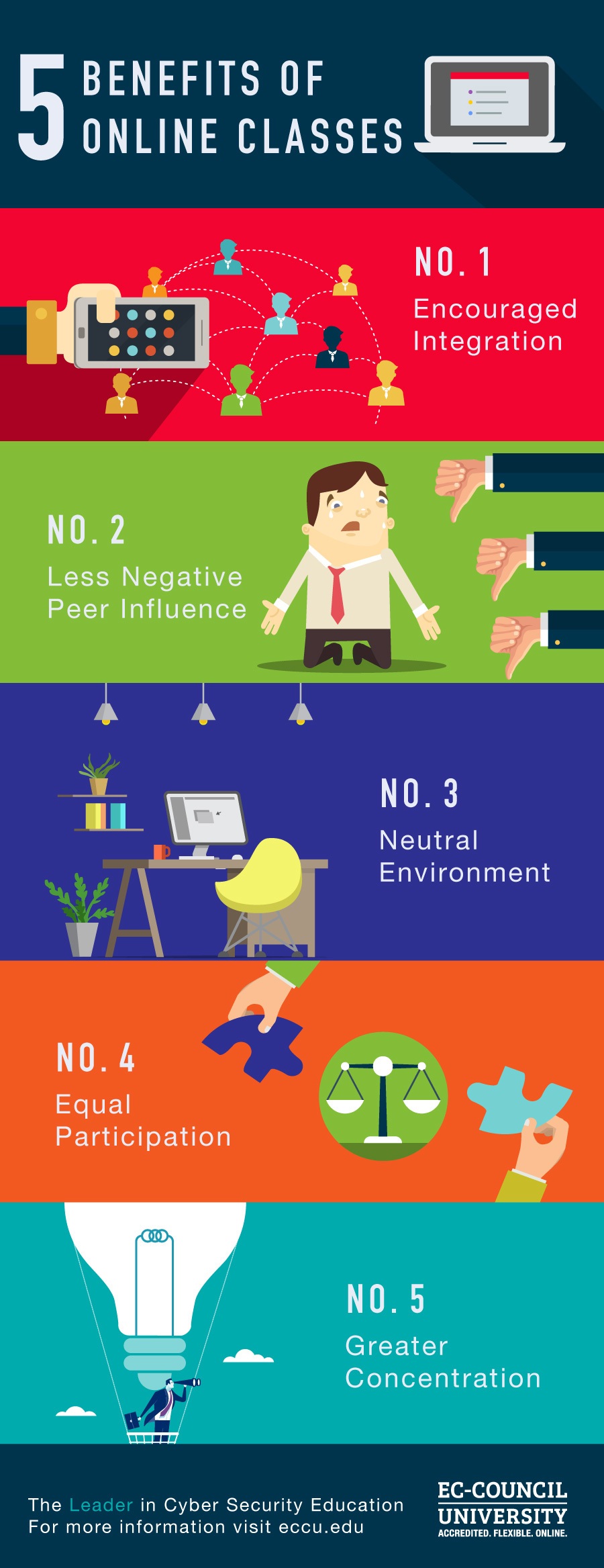
Online learning offers many of the same advantages as homeschooling while also providing access to a broader range of resources and courses than would be possible otherwise. Online learners benefit from self-paced programs that allow them greater control over when they complete assignments or take exams.
Another advantage of online learning is the ability to collaborate with other students worldwide through forums or virtual classrooms. This type of interaction helps build social skills while also exposing students to diverse perspectives outside their local community.
Unschooling
Unschooling takes a non-traditional approach where there is no formal curriculum or set structure in place; instead, children learn through exploration and play based on what interests them at any given moment in time. The philosophy behind unschooling involves trusting children’s natural curiosity rather than imposing traditional classroom structures onto them.
One major advantage of unschooling is the freedom it gives kids from standardized testing requirements since there are no preset goals or objectives they need to meet. This approach also allows children to discover their unique passions and natural talents while exploring topics in-depth.
Montessori Schools
Montessori schools follow a child-centered approach that emphasizes hands-on learning, self-directed activity, and collaborative play. These schools are designed to foster independence, creativity, and critical thinking skills through a variety of activities tailored to each student’s needs.
Montessori schools offer many benefits for children, including the opportunity for students to work at their own pace without pressure from peers or teachers. Students learn self-discipline and responsibility by being given the freedom to choose their own tasks within a structured environment. Additionally, Montessori education encourages socialization among students across different age groups and fosters an appreciation for diverse backgrounds.
Conclusion
Alternative schooling and education options have become increasingly popular as families seek more personalized approaches to education that cater specifically to their child’s individual needs. Homeschooling offers flexibility in terms of curriculum design and schedules; online learning provides access to global resources while allowing for self-paced instruction; unschooling promotes exploration through play-based learning; Montessori schools emphasize hands-on activities that encourage creativity, independence, collaboration skills development. All these models provide unique advantages over traditional educational practices that align with modern-day realities such as changing societal values or technological advancements.
 Alternative Amie
Leave a comment